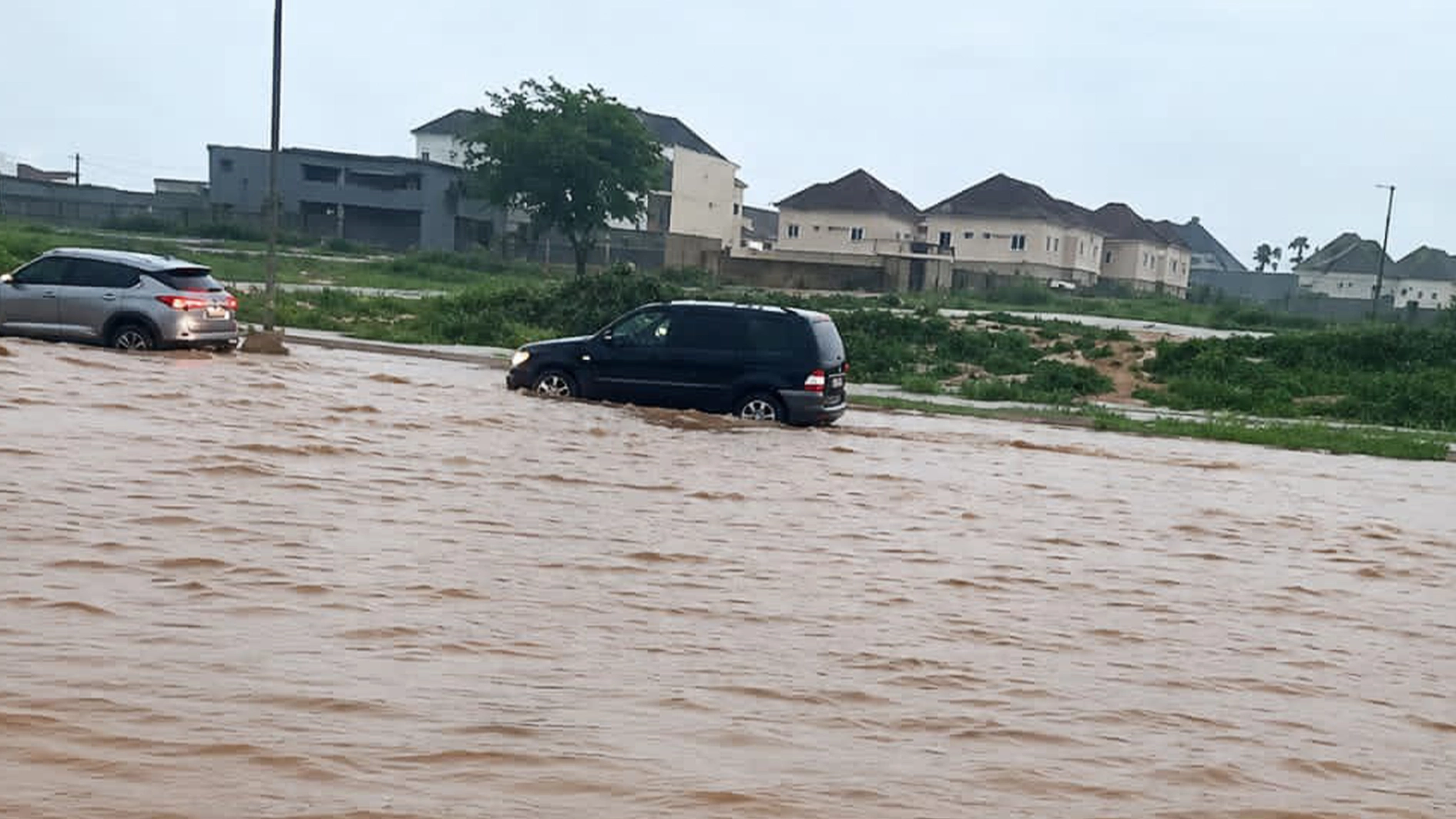
The flooding in Rivers State has become a painful journey for many families, including Vivian Onyeije, a mother of four from Rumlsita in Eneka, Obio/Akpor Local Government Area. Her home was invaded by floodwater, forcing her to flee with her children. They moved to her shop, but the flood found them there too. Now, they sleep in their vehicle, which has become their latest shelter.
The situation is dire across parts of Port Harcourt and its environs, where days of torrential rainfall have transformed roads into waterways, submerged homes and businesses, disrupted schooling, and displaced residents. Hundreds of families are in deep devastation, with some relocating to villages due to the hike in rents. The flood has also disrupted education, with several schools in Rumusita community and Rumuakoara Community Secondary School forced to vacate their premises.
The flooding has affected several communities and major roads, including Uzoba, Rumuekini, Choba, Eneka, and Stadium Road. Several buildings have been submerged, while others have developed cracks. Vehicles have been stranded, and normal movement has been severely restricted. Residents described the development as one of the most disruptive flooding episodes in the state, comparable to the devastating 2012 flood.
Despite early flood warnings by NIMET, there are concerns about the state’s preparedness and emergency response. The Guardian’s monitoring found no widespread government-arranged evacuation centers or Internally Displaced Persons (IDP) camps for flood victims. Many displaced families are left to find temporary shelter on their own. However, in Obio/Akpor, the local government chairman mobilized a flood committee to desilt a canal along SARS Road.
The flooding has also raised concerns about human activities that worsen the impact, including widespread sand-filling activities in different parts of the state. Residents are concerned about sand filling activities around Bori Camp in Port Harcourt, which has increased flooding and movement around the areas. Poor physical planning and the approval of buildings and developments without adequate assessment of their environmental suitability have also been raised.
Environmental experts have emphasized the need for authorities to combine drainage planning and maintenance with enforcement of building regulations, protection of waterways, proper waste management, and rapid emergency response. The proliferation of refuse dumps and indiscriminate disposal of waste across Port Harcourt has also contributed to the flooding, reducing the capacity of drainage channels to convey stormwater.
The recurring flooding raises questions about the use of ecological resources meant to address environmental challenges in the state, including the Ecological Fund established as a special intervention mechanism for serious ecological problems and their impacts. The Federal Ministry of Information has explained that the fund is intended to address environmental challenges, but its effectiveness in addressing the current flooding crisis remains unclear.
Key points
- Hundreds of families have been displaced by the flooding in Rivers State, with many residents scrambling for shelter.
- The flooding has disrupted education, with several schools forced to vacate their premises.
- Concerns have been raised about the state’s preparedness and emergency response, including the lack of widespread government-arranged evacuation centers or IDP camps for flood victims.