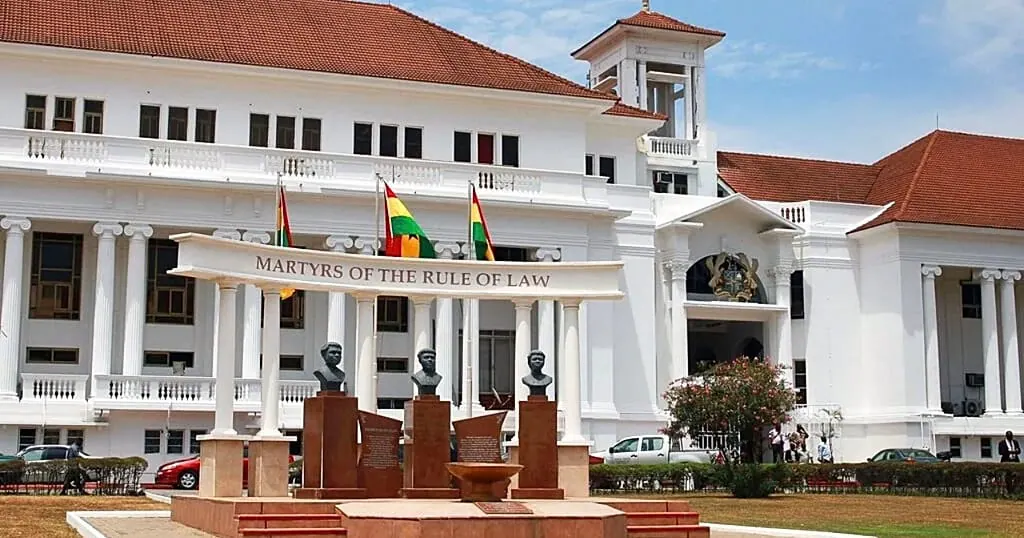
Ghana has long been known for its vibrant media landscape and robust political debate. However, a series of cases involving online statements is fuelling a fresh debate over freedom of expression and how far the state should go in responding to speech it considers unlawful. An incident involving the attempted arrest of opposition Member of Parliament and lawyer Nana Agyei Baffour Awuah at the Accra High Court has brought the issue to the forefront. The confrontation, which went viral on social media, occurred shortly after Baffour Awuah had appeared in court for Salomey Awiti Baffoe, a senior nursing officer charged with abetting the publication of false news.
The case against Baffoe, 40, involves allegations that she played a role in the circulation of material connected to a social media account known as "Ghana Jollof" on TikTok. Prosecutors claim that she acted as a liaison for Barbara Asantewaa Kodua, who is associated with the account, and helped recruit people to redistribute videos on social media. Baffoe has pleaded not guilty and her lawyers intend to appeal the High Court's decision to refuse her bail. The court cited concerns about possible interference with electronic evidence while investigations continue. This case is not an isolated incident, as Ghana has seen several instances of scrutiny over allegedly false or offensive statements made online.
President John Dramani Mahama has weighed in on the debate, questioning some arrests linked to comments made about him. At an event on the sidelines of the UN General Assembly in New York, Mahama expressed that he was not aware of many of the arrests before they happened. He stated that "a lot of these arrests, I don’t even know about them, I also hear them on the media." This highlights the complexities surrounding the issue and the need for clarity on the limits of free speech. One provision attracting attention is Section 208 of the Criminal Offences Act, which makes it an offence to publish or reproduce a statement, rumour or report likely to cause fear and alarm to the public or disturb the public peace.
The attempted arrest of Baffour Awuah by EOCO officers has also sparked controversy. EOCO claims that Baffour Awuah had twice been invited in February to assist with an ongoing investigation but had failed to attend. However, Baffour Awuah disputes EOCO's account, stating that an initial letter from EOCO was addressed to the senior partner of his law firm rather than to him personally. He also alleged that the timing of the attempt to arrest him was linked to his representation of Baffoe. The Ghana Bar Association has expressed concern over the incident, warning that attempts to circumvent established legal procedures and safeguards could create a perception of intimidation and have a "chilling effect" on the legal profession.
The incident has significant implications for Ghana's democracy, as the country's Constitution guarantees freedom of speech and expression, including freedom of the press and other media. However, those freedoms are not absolute, and Ghanaian law provides for restrictions and criminal offences in certain circumstances. The debate is increasingly about how those powers are being used and where the line should be drawn between tackling potentially harmful or false information and protecting freedom of expression. Baffour Awuah argues that the way such cases are handled could have consequences beyond the current political moment.
Baffour Awuah has himself turned to the courts over statements he says were falsely made about him. On 28 September, he announced civil action against Akwatia MP Bernard Bediako Baidoo and broadcaster Abubakar Alhassan, popularly known as Blakk Rasta, alleging that they had made defamatory statements about him. He said he had chosen civil proceedings rather than seeking criminal prosecution for alleged false publication. This case highlights the complexities of balancing free speech with protection from harm and the need for clear guidelines on the limits of expression.
For Ghana, the debate is therefore becoming less about whether speech should have limits than about where those limits should lie, and how they should be enforced without unnecessarily narrowing the space for legitimate criticism, political debate or dissent. The country's experience with repeated peaceful transfers of power between its two dominant political parties since the return to constitutional rule in 1992 has raised concerns about whether powers exercised by one administration could become precedents for another. As Ghana continues to grapple with these issues, the international community will be watching closely to see how the country balances the need to protect its citizens from harm with the need to safeguard fundamental freedoms.
Key points
- The Ghanaian government faces challenges in balancing free speech with protection from harm.
- A recent incident involving the attempted arrest of a lawyer has sparked controversy over the limits of free speech.
- The country's Constitution guarantees freedom of speech and expression, but also provides for restrictions and criminal offences in certain circumstances.