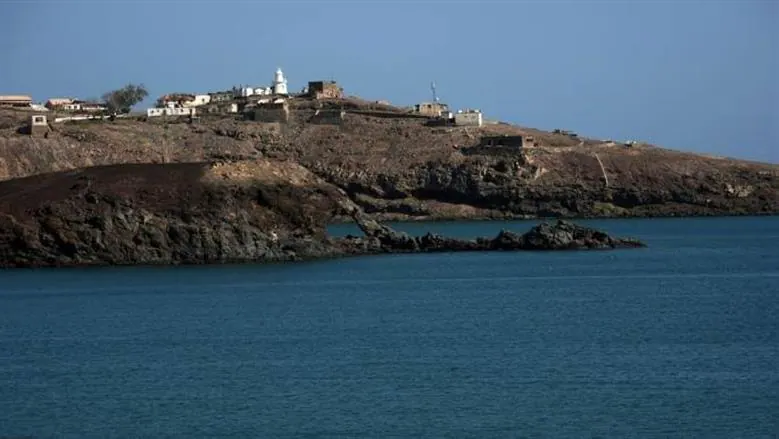
The Bab al-Mandab Strait, a critical waterway linking the Red Sea to the Indian Ocean, plays a vital role in global trade, including the transportation of crude oil and liquefied natural gas. The strait is a key passage for ships traveling between Asia, the Middle East, and Europe. Any prolonged disruption to navigation in the strait could lead to increased energy and shipping costs, higher commodity prices, and far-reaching impacts on consumers and economies worldwide.
Tensions around the Bab al-Mandab Strait have escalated in recent weeks, particularly with the advance of the Houthi group on Yemen's western coast and their capture of the city of Mocha and the island of Mayun within the strait. This development has heightened the group's influence over one of the world's most critical shipping lanes. The United Nations has warned that the situation around Bab al-Mandab is becoming increasingly volatile, with ongoing fighting on the western coast and Houthi advances toward the strait.
The Bab al-Mandab Strait is a crucial route for energy exports from the Middle East, and its importance grows if other shipping routes, such as the Strait of Hormuz, are disrupted. According to a report by The Business Standard, a disruption in the strait could lead to a sharp decline in crude oil shipments through Red Sea ports. This has happened before, with Saudi crude oil shipments through Bab al-Mandab dropping from around 3 million barrels per day to 400,000 barrels per day or less when ships were forced to change course.
If disruptions persist, refineries in Asia and elsewhere may need to seek alternative crude oil shipments, potentially driving up global oil prices, including Brent and West Texas Intermediate crude. Prices could exceed $100 per barrel and reach around $108. The impact won't be limited to crude oil, as higher prices will also affect refined fuels, particularly diesel, which is critical for the transportation, agriculture, and rail sectors, increasing costs for goods production and transportation.
If passage through the Bab al-Mandab Strait becomes impossible, ships may need to take a longer route around the Cape of Good Hope in South Africa. This alternative route could add thousands of nautical miles to some voyages between Asia, the Middle East, and Europe, extending journey times by around a month. This would result in higher fuel consumption, increased operating costs for ships and crews, and potentially higher maritime insurance costs due to security risks.
The repercussions of a Bab al-Mandab disruption could extend to food prices and essential commodities, driven not only by higher transportation and energy costs but also by increased expenses for fertilizers and agricultural production. Manufacturers and retailers may face higher costs for imported components and products, which could eventually be passed on to consumers. Prolonged pressure could make it more challenging for central banks to control inflation, especially if rising transportation and energy costs coincide with higher food and commodity prices.
Several countries are vulnerable to tensions in the Bab al-Mandab Strait. In Saudi Arabia, the Saudi Industry Forum in Jeddah discussed the resilience of grain supplies and the milling sector's ability to cope with geopolitical and trade disruptions. Saudi Arabia has a strategic system for storing grains, aiming to maintain a wheat reserve sufficient for around six months, totaling over 2.5 million tons. Other countries, including Singapore, Jordan, and the UAE, are also preparing for potential disruptions, with plans to use alternative routes, activate emergency food security measures, and maintain supply chains.
Key points
- The Bab al-Mandab Strait disruption could lead to increased energy costs and higher commodity prices.
- Prolonged disruptions may force refineries to seek alternative crude oil shipments, potentially driving up global oil prices.
- The strait's disruption could have far-reaching impacts on consumers and economies worldwide, affecting food prices and essential commodities.