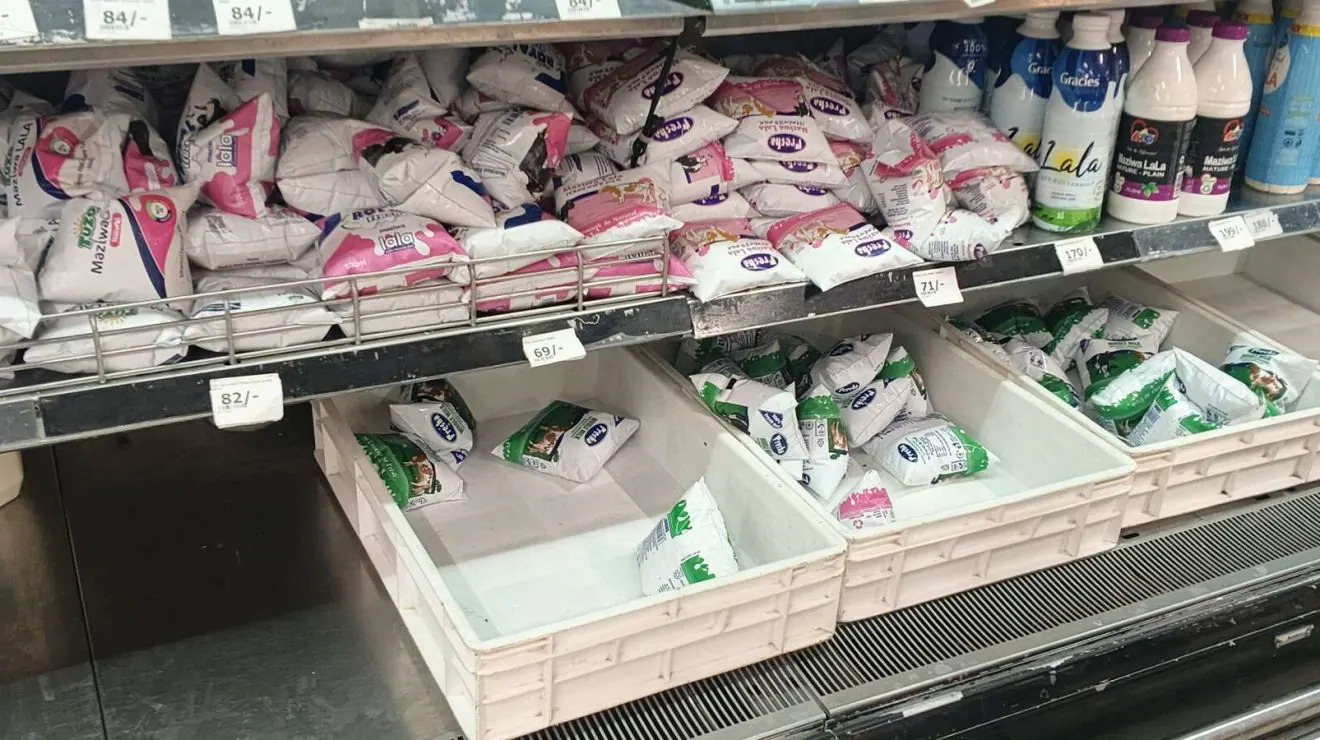
Kenya has been experiencing a milk shortage for over a month, with supermarket shelves increasingly bare. The crisis has led some supermarkets to ration the quantity of milk customers can buy. As a result, many families have been forced to rethink their breakfast routines. The traditional morning cup of milk tea is no longer a viable option for many due to the rising prices of milk.
The milk shortage and price hike have affected many households in Kenya. With milk becoming both scarce and expensive, families are turning to alternatives for their breakfast. This has led to a change in consumption patterns, with many opting for cheaper alternatives or reducing their milk consumption. The situation has been exacerbated by the rationing of milk in some supermarkets, further limiting access to this essential commodity.
The impact of the milk shortage and price hike extends beyond breakfast routines. It also affects the dairy industry as a whole, with farmers and suppliers struggling to meet demand. The Kenyan government has not made any official statements on the milk shortage, but it is clear that the situation is having a significant impact on the lives of many Kenyans.
The milk shortage has also led to an increase in the prices of other dairy products. This has further reduced the purchasing power of households, which are already struggling with the rising cost of living. The situation has sparked concerns about the long-term effects on the health and well-being of Kenyans, particularly children who rely on milk as a source of nutrition.
The Kenyan media has been covering the milk shortage and its impact on households. NTV, a leading Kenyan television station, has been providing updates on the situation through its various programs. These include AM Live, a morning current affairs show that sets the agenda for the day with insightful panels.
Other Kenyan media outlets have also been covering the milk shortage. These include podcasts such as The Politalk, which discusses Kenyan politics, and VIP ACCESS, a show on Music and Culture dedicated to promoting Africa’s most promising talent and creatives. While these programs may not directly focus on the milk shortage, they provide a platform for Kenyans to discuss and engage with current events.
The milk shortage and price hike are a significant challenge for many Kenyan households. The situation requires a comprehensive response from the government, farmers, and suppliers to address the root causes of the shortage and ensure that milk is accessible and affordable for all. Until then, families will continue to adapt to the new reality and find ways to cope with the rising cost of milk.
Key points
- The milk shortage and price hike have forced many Kenyan families to rethink their breakfast routines and opt for cheaper alternatives.
- The situation has sparked concerns about the long-term effects on the health and well-being of Kenyans, particularly children who rely on milk as a source of nutrition.
- The Kenyan media has been covering the milk shortage and its impact on households through various programs and platforms.