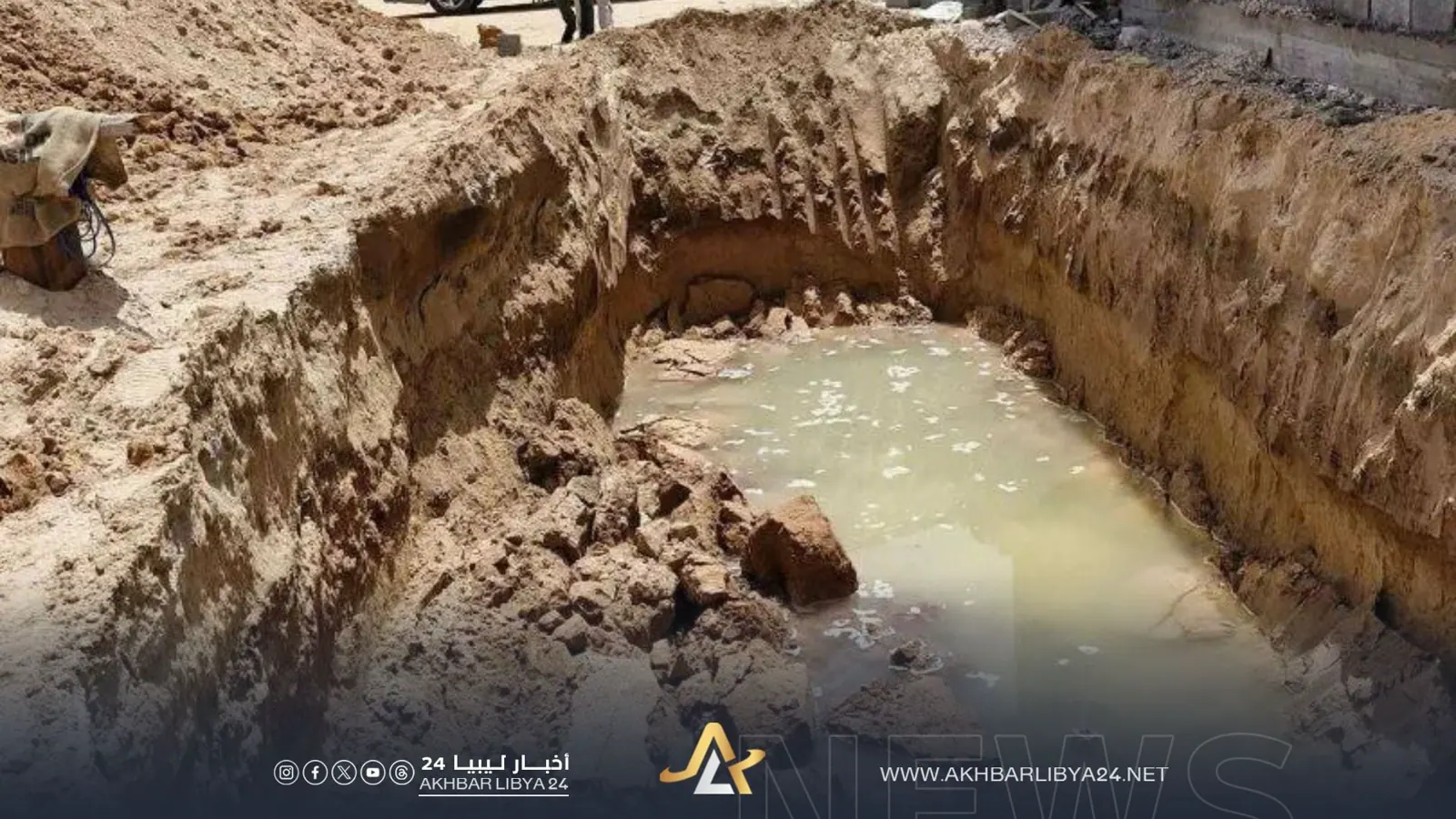
Libya is grappling with a growing environmental crisis as rising groundwater levels threaten to undermine the country's reconstruction efforts. The phenomenon, which has been observed in several cities across the country, is causing streets to flood, homes to be damaged, and agricultural land to become waterlogged. Experts warn that if left unchecked, the problem could have severe consequences for the country's infrastructure and economy. The issue is not limited to one geographic area, with cities in both the east and west of the country affected.
The rising groundwater levels are attributed to a combination of natural and human factors, including increased water consumption, leaks in sewage networks, and inadequate wastewater infrastructure. In areas where sewage networks are old and inefficient, the problem has become particularly acute, with large quantities of water accumulating in the ground and causing groundwater levels to rise. This has significant implications for the country's urban planning and infrastructure development, with experts warning that failure to address the issue could lead to costly repairs and damage to buildings and infrastructure.
The city of Ajdabiya is one of the areas most affected by the rising groundwater levels, with residents reporting water seepage into homes and concerns about the impact on building foundations. Experts warn that prolonged exposure to water can weaken soil and concrete, increasing the risk of structural damage and collapse. To mitigate this risk, they recommend conducting thorough geotechnical and hydrogeological surveys before embarking on new construction projects, and implementing measures to protect foundations from water damage.
As Libya embarks on a major reconstruction drive, the issue of rising groundwater levels poses a significant challenge to developers and policymakers. The construction of new roads, bridges, and buildings requires careful planning and execution to ensure that they can withstand the country's challenging environmental conditions. This includes taking account of groundwater levels and soil conditions, and implementing measures to prevent water damage and ensure the long-term sustainability of infrastructure.
The problem is exacerbated by Libya's aging infrastructure, which has suffered from years of neglect and underinvestment. Leaks in water and sewage networks are a major contributor to the rising groundwater levels, and experts warn that failure to address these issues will only make the problem worse. In areas where urban development is rapid, the risk of waterlogging and flooding is increasing, highlighting the need for a comprehensive approach to urban planning and infrastructure development.
In the city of Zleiten, authorities are working to mitigate the impact of rising groundwater levels by drilling wells and monitoring water levels. However, residents continue to experience flooding in their homes, highlighting the need for a more sustainable solution. Experts recommend a comprehensive approach that includes the development of new sewage and drainage infrastructure, as well as measures to protect homes and buildings from water damage.
The issue of rising groundwater levels in Libya highlights the need for a coordinated and sustained approach to environmental management and infrastructure development. This includes investing in new technologies and techniques to monitor and manage groundwater levels, as well as implementing policies and regulations to ensure that new construction projects are designed and built with the country's environmental challenges in mind.
Key points
- Rising groundwater levels pose a significant threat to Libya's reconstruction efforts and infrastructure development.
- The issue is attributed to a combination of natural and human factors, including increased water consumption and inadequate wastewater infrastructure.
- A comprehensive approach is needed to address the problem, including investment in new technologies and techniques, and implementation of policies and regulations to ensure sustainable infrastructure development.