QIT Minerals Madagascar (QMM), a subsidiary of RioTinto, has been accused of contaminating the water source of residents near its mine in the Anosy region of Madagascar. The mine, which has been in operation since 2005, extracts ilmenite, a titanium ore used in the steel industry. The mine's operations have raised concerns among local residents, who claim that the mining activities have affected their livelihoods and the environment. The mine operates in a sensitive ecosystem, including wetlands, lagoons, rivers, and three lakes.
The lake system, which includes Lake Lanirano, is the primary source of drinking water for the town of Tolagnaro. However, residents claim that the mining operations have affected the water quality, leading to a decline in fish populations and the death of livestock that drink from the lake. The mine's operations involve clearing trees, flooding the terrain, and dredging, which has altered the natural flow of water in the area. A 196-meter-long spillway was constructed across the estuary, blocking the flow of ocean water and affecting the natural balance of the ecosystem.
According to Malagasy legislation, a 80-meter buffer zone is required around any natural water body to protect the environment. However, QMM's operations have allegedly disregarded this requirement, leading to the destruction of aquatic plants and the decline of fish populations. Residents claim that the water quality has deteriorated, and the level of the lakes has risen, flooding rice paddies and affecting agricultural activities. The mine's operations have also led to the displacement of young people, who have turned to alternative livelihoods such as charcoal production.
The mining operations have also raised concerns about the handling of radioactive materials. Monazite, a mineral extracted by QMM, is highly radioactive and requires special handling and disposal. However, residents claim that QMM has not followed proper procedures, leading to the accumulation of radioactive waste in the area. The company's waste disposal practices have been criticized, with allegations that radioactive materials have been dumped in a way that poses a risk to the environment and human health.
An investigation by a team that visited the area found evidence of environmental degradation and concerns about the handling of radioactive materials. The team observed a wall of sand near a ancestral burial site, which was allegedly constructed by QMM to contain its waste. Water samples were collected from the area, which showed signs of contamination. The team's findings corroborate the concerns of local residents, who have been complaining about the effects of the mining operations on their environment and livelihoods.
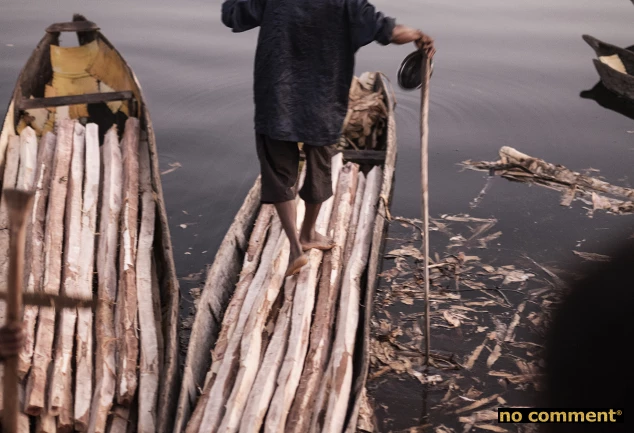
The decline of fish populations has affected the livelihoods of local residents, who have turned to alternative activities such as charcoal production. However, this has led to the spread of invasive species, such as the kininy bonaky tree, which is native to Australia. The tree is highly invasive and has been linked to the decline of native species, such as the mahampy reed, which is used in local handicrafts. Residents accuse QMM of introducing the invasive species, which has had a devastating impact on the local ecosystem.
QMM has committed to replanting trees in the mined area, with 25% of the species being endemic and 75% being eucalyptus and acacia. However, residents are skeptical about the company's commitment to environmental rehabilitation. They claim that the replanting efforts are not transparent and that the company is hiding something. The concerns of local residents highlight the need for greater transparency and accountability in the mining sector, particularly in sensitive ecosystems like the one in which QMM operates.
Key points
- QMM's mining operations have contaminated water sources and affected livelihoods in the Anosy region of Madagascar.
- The company's handling of radioactive materials has raised concerns about environmental and health risks.
- The mining operations have led to the decline of native species and the spread of invasive species.