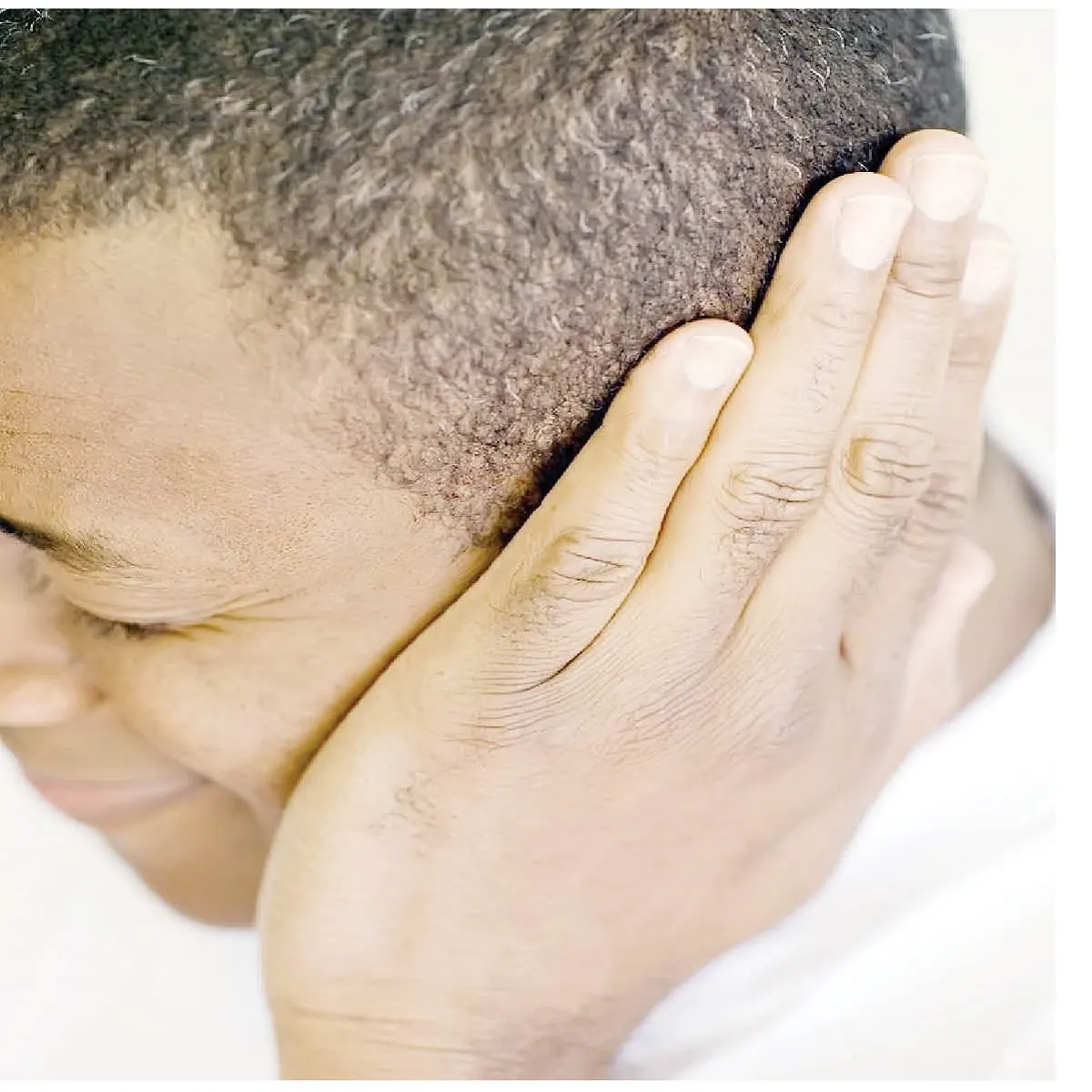
Difficulty following conversations in noisy environments and persistent ringing, buzzing or hissing sounds in the ears, known as tinnitus, are often early signs of hearing loss. These symptoms typically develop when ageing or long-term exposure to loud noise damages delicate sensory hair cells in the inner ear. According to the US Centres for Disease Control and Prevention, around 13% of adults report hearing difficulties, rising to 27% among those aged 65 and older.
Tinnitus affects roughly 10% of adults and is commonly associated with hearing loss. The condition can vary from a faint background noise to a constant and intrusive ringing, with some people describing it as cicadas, static or distant machinery. Audiologist Dr Jackie Price said ageing and noise exposure are the two main risk factors, but prevention is possible. She emphasized that taking steps to conserve hearing and reduce the risk of developing hearing loss and tinnitus is crucial.
Susan Bianco, 87, from Lancaster, experienced changes in her hearing when conversations became harder to follow, particularly in group settings. She later developed a buzzing sound in her ears, which became more noticeable when she was tired. Her experience reflects broader trends, highlighting the importance of recognizing early warning signs of hearing loss. Experts warn that these signs are frequently overlooked, and hearing loss is often assumed to be a gradual and inevitable part of ageing.
Tinnitus occurs when damage to the cochlea disrupts communication between the ear and brain. The cochlea’s hair cells normally convert sound vibrations into signals; when damaged, they can trigger phantom sounds. Other related conditions include hyperacusis, where everyday sounds feel painfully loud, and misophonia, where certain sounds provoke strong emotional reactions. Experts emphasize that these conditions can have wide-ranging effects beyond hearing.
Prevention focuses on limiting exposure to noise above 85 decibels, such as at concerts, sporting events or when using power tools. Experts also caution against listening to loud music through earbuds in already noisy environments. Proper use of hearing protection is essential, with foam earplugs being a simple and effective solution. However, most earplugs are designed for single use and should be rolled tightly, inserted into the ear canal, and allowed to expand fully.
While there is no cure for hearing loss or tinnitus, treatments can help manage symptoms. Hearing aids are commonly used, while tinnitus retraining therapy combines counselling and sound therapy to reduce the brain’s focus on internal noise. Ms Bianco has recently begun such therapy alongside hearing aid use, with her device playing a soft background sound. Experts emphasize that hearing tests can reveal early damage even when symptoms are mild.
Experts stress that early detection and treatment can help preserve hearing and maintain quality of life. By recognizing the early warning signs of hearing loss and taking steps to prevent further damage, individuals can reduce their risk of developing more severe symptoms. With proper care and management, it is possible to mitigate the effects of hearing loss and tinnitus.
Key points
- Early signs of hearing loss include difficulty following conversations in noisy environments and persistent ringing, buzzing or hissing sounds in the ears.
- Ageing and noise exposure are the two main risk factors for hearing loss and tinnitus.
- Prevention and early detection can help preserve hearing and maintain quality of life.