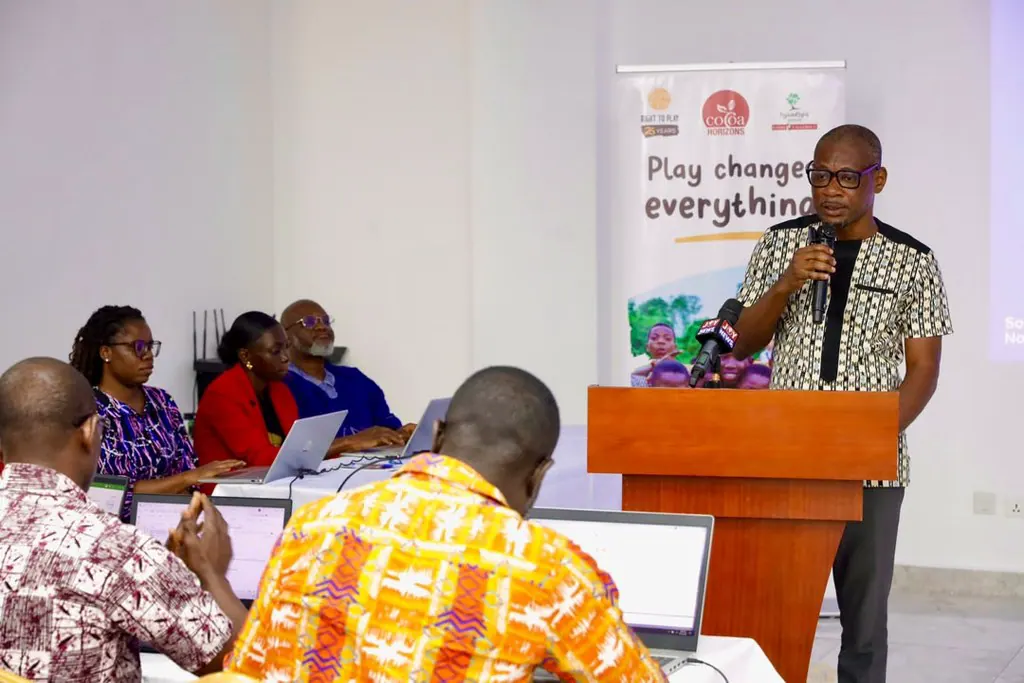
Right To Play Ghana has highlighted the issue of severe teacher shortages in remote communities, forcing combined classes and leaving children more exposed to child labour and trafficking. The organisation's findings emerged from monitoring carried out under its My Life, My Rights and My Rights, My Future projects, which work in communities considered vulnerable to child exploitation.
According to Right To Play Ghana, some basic schools that ought to have nine teachers, including the headteacher, are managing with as few as two or three. This shortfall is forcing schools to merge classes of different grade levels, weakening the quality of education children receive. The practice of multigrading, where pupils of different grades are taught together in one classroom, has become common due to the shortage of teachers.
The problem is further compounded by the long distances between some satellite communities and the main settlements where schools are sited. Many children rescued from child labour live in these outlying satellite communities, far from the main towns where schools are located, making regular attendance difficult.
Right To Play Ghana is working with education authorities to address the gaps, including efforts to deploy more teachers to underserved, remote areas. The organisation's Project Manager for the My Life, My Rights project, Julius Kwami Tsatsu, described the staffing gap as deeply troubling.
Despite the challenges, Right To Play pointed to some progress in its broader child protection work. Roughly 90 percent of children reached by the programme were now advocating for their own rights, according to Project Manager for the My Rights, My Future project, Josephine Baffoe.
The teacher shortage findings come days after Right To Play disclosed that its combined education, protection and family economic support programmes had reached 15,439 children across four regions. Strengthening community child protection structures, improving access to quality education and empowering families remain central to keeping vulnerable children in school and out of exploitative labour.
The disclosure lands at a particularly sensitive moment, as Ghana's public basic schools remain affected by a nationwide teachers' strike. The combination of chronic understaffing and the ongoing strike raises the stakes of keeping children in classrooms rather than at risk of labour or trafficking.
Key points
- Some rural schools in Ghana are operating with as few as two or three teachers instead of the required nine.
- The teacher shortage is forcing schools to merge classes, weakening the quality of education and leaving children more exposed to child labour and trafficking.
- Right To Play Ghana is working with education authorities to address the gaps, including efforts to deploy more teachers to underserved, remote areas.