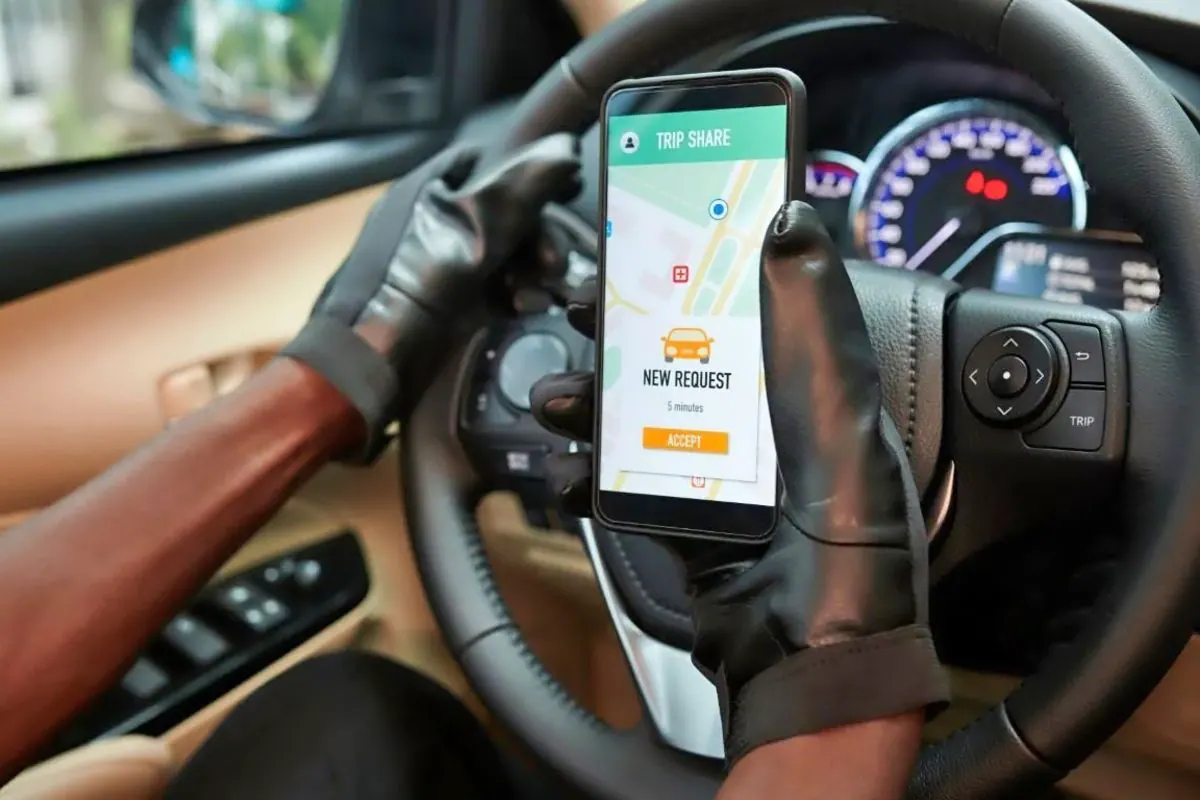
The growing reliance on ride-hailing services in Tanzania has raised concerns over passenger safety and accountability. Stakeholders are urging for stronger verification processes for drivers and vehicles, as well as more effective monitoring of accounts and complaint reporting systems. This comes as more people turn to digital platforms for their daily journeys. According to ride-hailing driver Paul Mathew, passengers need to be more vigilant and treat the information provided by the applications as an important safety check rather than just a booking detail.
Passengers are advised to develop a habit of checking the driver's name, photograph, and vehicle registration number before entering a vehicle. Mr. Mathew emphasized that ignoring discrepancies between the information on the application and the vehicle or person that arrived could make it harder to establish who was responsible if something went wrong. He urged passengers to cancel and report trips whenever the driver or vehicle did not correspond with the details provided on the platform. This, he said, would increase protection and safety for passengers.
Beyond checking vehicle details, Mr. Mathew stressed that the photograph displayed on a driver's account should also be treated as an important part of the verification process. He suggested that stronger checks were necessary at both the registration stage and after drivers had been allowed onto the platforms. Mr. Mathew also proposed that drivers should use their own photographs on their accounts to make it easier to provide information to the police in case of a problem.
The issue of identity verification extends beyond drivers, according to Mr. Mathew. He noted that passengers should also be identifiable when using the platforms. Many passengers do not have their photographs on their profiles on these platforms, which could create problems. Another ride-hailing driver, Sharifa Rajabu, echoed this concern, saying that alleged account sharing among drivers could further complicate efforts to establish who was actually providing a service.
Ms. Rajabu noted that some drivers were allegedly selling or handing over their profiles to other people to operate on their behalf, creating a gap between the person approved by the platform and the person actually carrying passengers. She urged authorities to put in place a system to check for this and for companies to conduct regular checks to ensure accounts were still being used by the people they were registered to. This, she said, would improve safety for both drivers and passengers.
Technology specialist Dominick Dismas suggested that the country could examine how other markets use technology to improve accountability. He cited China as an example, where some systems required drivers to display photographs and other basic identification details inside vehicles. Mr. Dismas also emphasized that identification alone would not eliminate safety risks unless passengers understood how to respond when something went wrong.
Ride-hailing user Josephat Samwel noted that policymakers needed to address concerns over ride-hailing safety without overlooking the way digital platforms operate. He emphasized that policymakers should focus on legitimate public policy objectives such as safety, consumer protection, insurance, and fair competition, while preserving the pricing flexibility that enables platforms to efficiently match riders with drivers. Mr. Samwel also highlighted the difficulty in regulating the sector, as ride-hailing platforms were often treated like conventional taxi businesses, despite operating through a different model.
Key points
- Stakeholders are calling for tighter verification of drivers and vehicles to improve ride-hailing safety in Tanzania.
- Passengers are advised to be more vigilant and check driver and vehicle details before entering a vehicle.
- Authorities are urged to put in place a system to check for account sharing among drivers and for companies to conduct regular checks to ensure accounts are still being used by the people they were registered to.