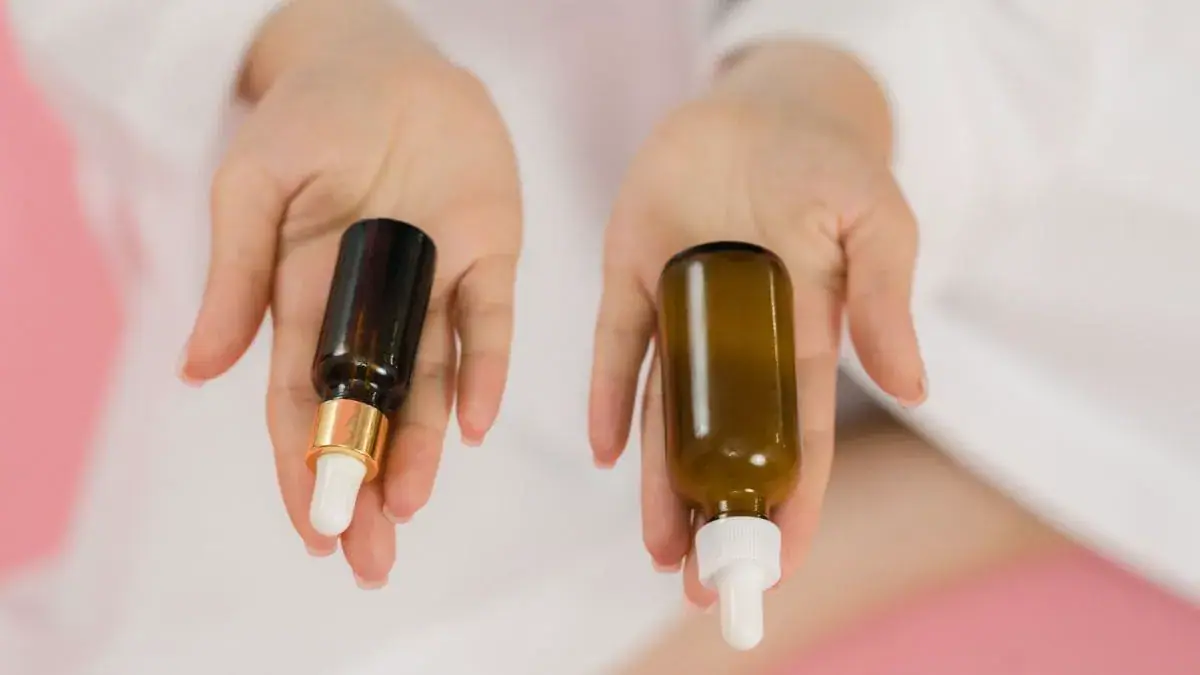
Retinol and retinal, also known as retinaldehyde, belong to the family of retinoids, which are derivatives of vitamin A. These ingredients are commonly used in cosmetic products to improve skin texture, reduce fine lines, and address signs of sun-induced aging. While they share similar benefits, they differ in their conversion process to become active in the skin. Retinol requires two conversion steps to transform into retinoic acid, the active form of vitamin A in the skin.
In contrast, retinal needs only one conversion step, making it a more potent ingredient than retinol. However, this potency does not necessarily mean it is always the better choice. The concentration, formulation, and individual skin tolerance also play a significant role in determining the effectiveness of these ingredients. Both retinol and retinal can help improve the appearance of fine lines, irregular skin texture, and sun-induced discoloration, and they contribute to skin renewal and collagen production.
Retinol is often considered a suitable option for individuals who want to start using retinoids, while retinal may be preferred by those seeking a more potent alternative and who already have some tolerance to these ingredients. Nevertheless, it is essential to note that retinol and retinal are not essential components of a skincare routine, and not everyone needs to use them. A daily sun protection, hydration, and a routine tailored to individual skin needs remain crucial.
The decision to use retinol or retinal should be made in consultation with a dermatologist, who can assess the skin, determine if there is a genuine need, and recommend the most suitable product and concentration. Before starting to use these ingredients, it is crucial to introduce them gradually, respecting the recommended frequency and concentration. A dermatologist's guidance can help minimize potential side effects and ensure optimal results.
When using retinol or retinal, it is vital to take certain precautions. Users should start with a gradual introduction, reinforce hydration with a moisturizer, and apply a broad-spectrum sunscreen with SPF 30 or higher daily. Additionally, it is recommended to avoid combining multiple potentially irritating ingredients, as this can increase the risk of redness and scaling. Some dryness or scaling may occur initially, but persistent irritation should not be ignored.
If users experience intense burning or discomfort, they should discontinue use and seek medical advice. It is also important to note that topical retinoids should be avoided during pregnancy, and breastfeeding individuals should consult a medical professional before incorporating these ingredients into their routine. Ultimately, the choice between retinol and retinal should be based on individual skin needs and made in consultation with a dermatologist.
Cabo Verde residents can consult with a dermatologist from RecordTV Cabo Verde to determine the best skincare approach for their individual needs. By understanding the differences between retinol and retinal, individuals can make informed decisions about their skincare routine and achieve optimal results. A well-informed approach to skincare can help individuals achieve healthy, youthful-looking skin.
Key points
- The main difference between retinol and retinal lies in their conversion process, with retinal being more potent due to its single conversion step.
- Retinol and retinal can help improve skin texture, reduce fine lines, and address sun-induced aging, but their usage should be guided by a dermatologist.
- Precautions such as gradual introduction, hydration, sun protection, and avoiding multiple irritating ingredients can help minimize potential side effects when using retinol or retinal.
Reporting sources
- Retinol vs. retinal: quais as diferenças e qual deve escolher? · RecordTV Cabo Verde