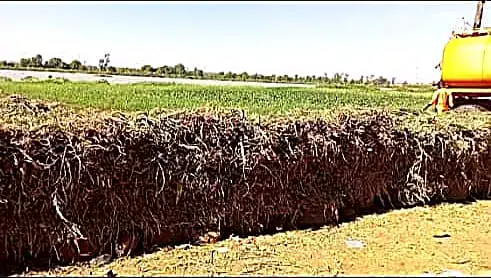
The residents of Gamkalé, a neighborhood in Niamey, Niger, have long relied on the Niger River for their livelihood. Many are fishermen and rice farmers, but another crucial activity is the harvesting and sale of aquatic herbs. This practice not only supports the local economy but also maintains ecological balance and aids in the reproduction of fish. The herbs serve as essential feed for livestock, making this activity a cornerstone of the community's survival.
Adamou Salou, a seasoned herb vendor, has been involved in this trade for over 40 years. He explains that the process involves sending children to cut the plants, which are then purchased from them at 50 francs CFA per bundle and resold for 100 francs. According to Salou, the aquatic herbs play a significant role in animal nutrition, directly impacting their health and survival. This not only benefits the local livestock but also contributes to the overall well-being of the community.
The ecological importance of aquatic herb harvesting cannot be overstated. Salou highlights that the plants help maintain life in the river by providing a habitat for fish to lay eggs and find food. Regular harvesting also encourages the regeneration of flora. When one stem is cut, the plant renews itself, producing four to five new shoots. This process benefits the river, fish, and livestock alike, creating a sustainable cycle that supports the local ecosystem.
Despite its importance, the profitability of this trade is not constant. Salou notes that sales can vary significantly from day to day. On slow days, sales are minimal, but on busier days, they can sell between 250 and 750 bundles. Historically, the trade was more lucrative when the local livestock population was higher. However, the decline in the number of animals in the city and the proliferation of invasive water hyacinth have posed significant challenges.
The water hyacinth, an invasive plant species, has been particularly detrimental to the aquatic herb trade. Salou laments that its arrival has led to a decline in clientele, as it destroys the natural habitat of the aquatic herbs. Despite these obstacles, the residents of Gamkalé continue to rely on herb harvesting as a primary source of income. This activity complements their main occupations of fishing and rice farming, providing a vital supplementary income.
The impact of the invasive water hyacinth on the local ecosystem and economy is a pressing concern. Its presence not only affects the herb harvesting trade but also threatens the balance of the river's ecosystem. Efforts to control the spread of water hyacinth and restore the natural balance of the river are essential to sustaining the livelihoods of Gamkalé's residents. The community's resilience and adaptability in the face of these challenges are a testament to their dedication to preserving their way of life.
As the residents of Gamkalé look to the future, their commitment to sustainable practices and ecological balance remains strong. The harvesting of aquatic herbs is more than just a trade; it is a vital component of their ecosystem and economy. By continuing this tradition, they not only ensure their economic stability but also contribute to the health of the Niger River and its inhabitants. This harmonious relationship between the community and their environment is crucial for the long-term sustainability of their livelihoods.
Key points
- The aquatic herb trade supports ecological balance and provides essential income for Gamkalé residents.
Reporting sources
- Niamey : La coupe des herbes aquatiques, une source de revenus vitale pour les habitants de Gamkalé · Agence Nigérienne de Presse