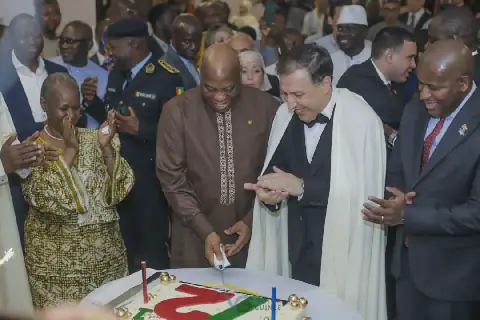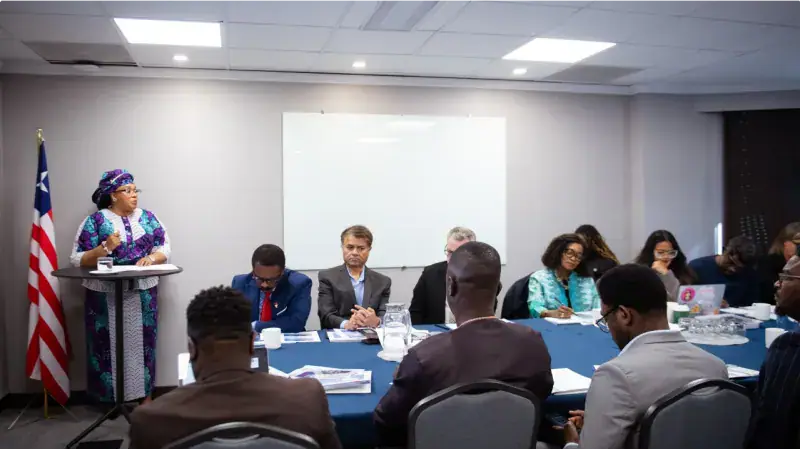
The Liberia–Canada Education Investment and Partnership Roundtable in Toronto, organised by the Liberia Trade and Investment Office in Canada, brought together institutions and individuals to discuss the future of Liberia's education system. The event aimed to explore reforms underway and potential contributions from universities, colleges, foundations, businesses, and diaspora members. With over 1.3 million learners, Liberia's education system presents opportunities and challenges.
A key question arises when African countries seek international investment and partnerships: how can they ensure that relationships built strengthen their capacity to determine and sustain their own development? Resources are necessary but do not settle deeper issues of ownership, institutional capability, and accountability. A country may attract considerable investment without fundamentally changing the conditions that made that investment necessary.
Three closely connected questions should guide engagement with prospective partners: who defines the problem or need, who assumes responsibility for addressing it, and what remains when the partnership has fulfilled its immediate purpose? The first question is particularly important in the African context, where the way challenges are represented often influences proposed solutions. Chimamanda Ngozi Adichie's reflections on The Danger of a Single Story offer a critical way of thinking about this.
African education systems are frequently presented within international development conversations using statistics such as children out of school, inadequate classrooms, teachers without sufficient professional preparation, and low learning outcomes. These are serious challenges, and governments have a responsibility to acknowledge them. In Liberia, emphasis on foundational learning and adult literacy reflects recognition of persistent learning gaps and commitment to addressing them through policy choices and targeted investments.
However, statistics do not tell the whole story, revealing educational gaps without explaining institutional conditions that produced them. They tell us where learners are struggling but may say little about teachers working under difficult circumstances, communities sustaining education despite limited resources, or public investments already being made. A more complete account must be presented: one that is honest about challenges, clear about national ambitions, and transparent about capabilities and resources.
The investment case presented in Canada began with Liberia's development agenda, education priorities, existing commitments, and evidence guiding reforms. Prospective partners were invited to understand the direction Liberia has already established and identify where their contributions could strengthen it. The power to define the problem is only meaningful if accompanied by the capacity and responsibility to shape the response, as argued by Zambian economist Dambisa Moyo in Dead Aid.
Liberia's experience demonstrates the importance of international cooperation, particularly given the scale of educational needs and constraints on public resources. The more consequential question is what financing relationships enable governments to become. Do they strengthen the ability to plan, coordinate, finance, and deliver public services? Do they develop professional and institutional capabilities within the country? Or do they create arrangements in which essential functions remain dependent on external expertise and financing that may not be available indefinitely?
Key points
- Partnerships must strengthen African countries' capacity to determine and sustain their own development.
- A complete account of challenges and capabilities must be presented to ensure effective investment.
- Financing relationships must enable governments to develop professional and institutional capabilities.