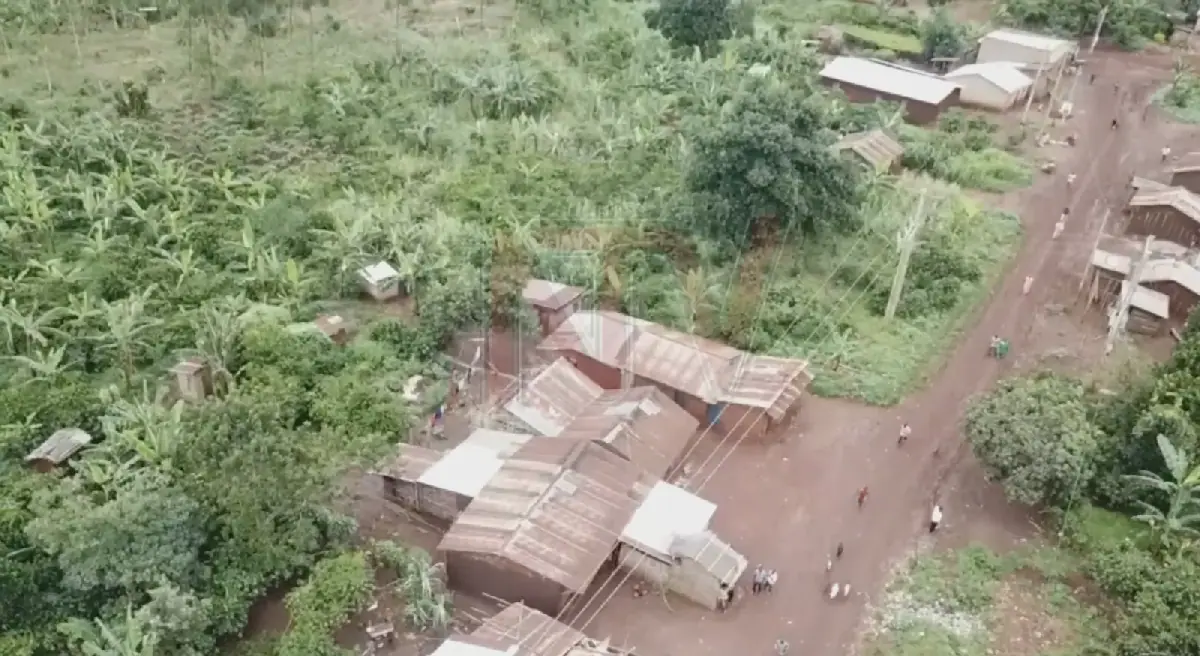
Communities in West Nile and Karamoja are taking practical steps to restore degraded environments and build healthier communities. Through targeted interventions and growing community participation, residents are protecting natural resources and adopting sustainable livelihoods. This shift comes after years of destructive environmental practices that threatened the regions. As a result, residents are working together to create a better future for their communities.
The environmental interventions in West Nile and Karamoja focus on improving sanitation and creating cleaner surroundings. Residents are participating in initiatives aimed at restoring degraded environments and conserving natural resources. These efforts are driven by the understanding that a healthy environment is crucial for the well-being of current and future generations. By working together, community members are ensuring a more sustainable future.
The adoption of sustainable livelihoods is a key aspect of the environmental conservation efforts in West Nile and Karamoja. Residents are embracing practices that reduce environmental degradation and promote eco-friendly living. This includes initiatives such as reforestation, proper waste management, and conservation of water resources. These sustainable practices are helping to mitigate the effects of environmental degradation and promote a healthier environment.
Community participation is a critical component of the environmental conservation efforts in West Nile and Karamoja. Residents are taking ownership of the initiatives and working together to achieve their goals. This collective approach is ensuring that the environmental conservation efforts are sustainable and effective in the long term. By involving the community in the decision-making process, the initiatives are more likely to succeed.
The environmental conservation efforts in West Nile and Karamoja are being driven by a growing awareness of the importance of environmental conservation. Residents are recognizing the impact of their actions on the environment and are taking steps to mitigate the effects of environmental degradation. This increased awareness is leading to a cultural shift towards environmental conservation and sustainability.
The interventions in West Nile and Karamoja are also focused on building resilient communities. By restoring degraded environments and promoting sustainable livelihoods, residents are creating a more stable and secure future for themselves and future generations. This includes initiatives aimed at improving livelihoods, enhancing food security, and promoting economic development.
The efforts of the residents in West Nile and Karamoja serve as an example of the impact that community-led initiatives can have on environmental conservation. By working together and adopting sustainable practices, communities can make a significant difference in protecting the environment and promoting sustainable development. The progress made in these regions demonstrates the potential for positive change through collective action and community participation.
Key points
- Community-led initiatives are driving environmental conservation efforts in West Nile and Karamoja.
- Residents are adopting sustainable livelihoods and improving sanitation to restore degraded environments.
- The efforts of the residents serve as an example of the impact that community-led initiatives can have on environmental conservation.