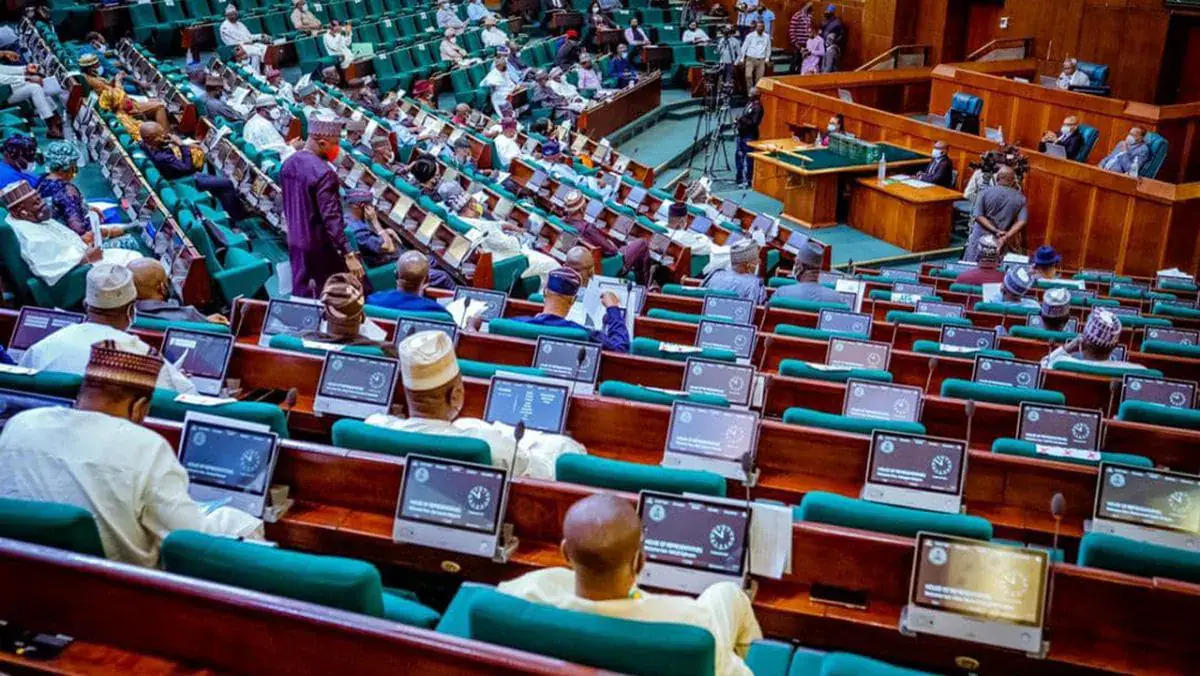
The Nigerian House of Representatives has called on the Federal Government to restore Biology as a core and compulsory subject in the senior secondary school curriculum. This move aims to address concerns that removing the subject could undermine students' scientific knowledge. The decision was made after a motion was sponsored by Hon. Ibrahim Ayokunle Isiaka, highlighting the importance of Biology in understanding human body, plants, and living organisms.
According to Isiaka, Biology has traditionally been a compulsory component of secondary education in Nigeria and remains crucial for equipping students with scientific knowledge applicable to human existence and the environment. The lawmaker noted that biological and scientific research continue to play significant roles globally, including in space exploration and missions to the moon and Mars. He argued that removing Biology as a compulsory subject would be counterproductive in today's world where scientific and technological knowledge is increasingly important.
The House also observed that Nigeria's growing international, economic, scientific, technological, and geopolitical engagements make it necessary to expand language education beyond existing options. To address this, the lawmakers called on the Federal Ministry of Education to introduce Spanish, German, Chinese, and Russian languages into the school curriculum. This move aims to develop a pool of trained interpreters and reduce the country's dependence on foreign language services.
The introduction of these foreign languages into the curriculum is expected to strengthen Nigeria's capacity to engage in international affairs. The House urged the Federal Ministry of Education to develop strategies for recruiting and training qualified teachers in the proposed foreign languages, particularly for basic and senior secondary schools. This will enable the effective implementation of the new curriculum and ensure that students receive quality education.
The House mandated its Committees on Basic Education and Services, Alternative Education, and Basic Examination Bodies to engage with the ministry to ensure compliance with the resolutions. The committees were directed to report back to the House within four weeks for further legislative action. This move demonstrates the lawmakers' commitment to ensuring that the necessary changes are made to the curriculum.
The resolution to restore Biology as a compulsory subject and introduce new languages into the curriculum is a significant step towards improving education in Nigeria. By making these changes, the government aims to provide students with a well-rounded education that prepares them for the challenges of the modern world. The implementation of these changes will be closely monitored to ensure their effectiveness.
Key stakeholders will be working together to ensure that the new curriculum is implemented effectively. The Federal Ministry of Education will play a crucial role in recruiting and training qualified teachers, while the House of Representatives will monitor progress and make necessary adjustments. Three key points emerge from this development: the importance of Biology in secondary education, the need for expanded language education, and the government's commitment to improving education in Nigeria.
Key points
- The Nigerian House of Representatives has urged the government to restore Biology as a compulsory subject in secondary schools.
- The government has also been called upon to introduce Spanish, German, Chinese, and Russian languages into the school curriculum.
- The changes aim to improve students' scientific knowledge and prepare them for Nigeria's growing international engagements.