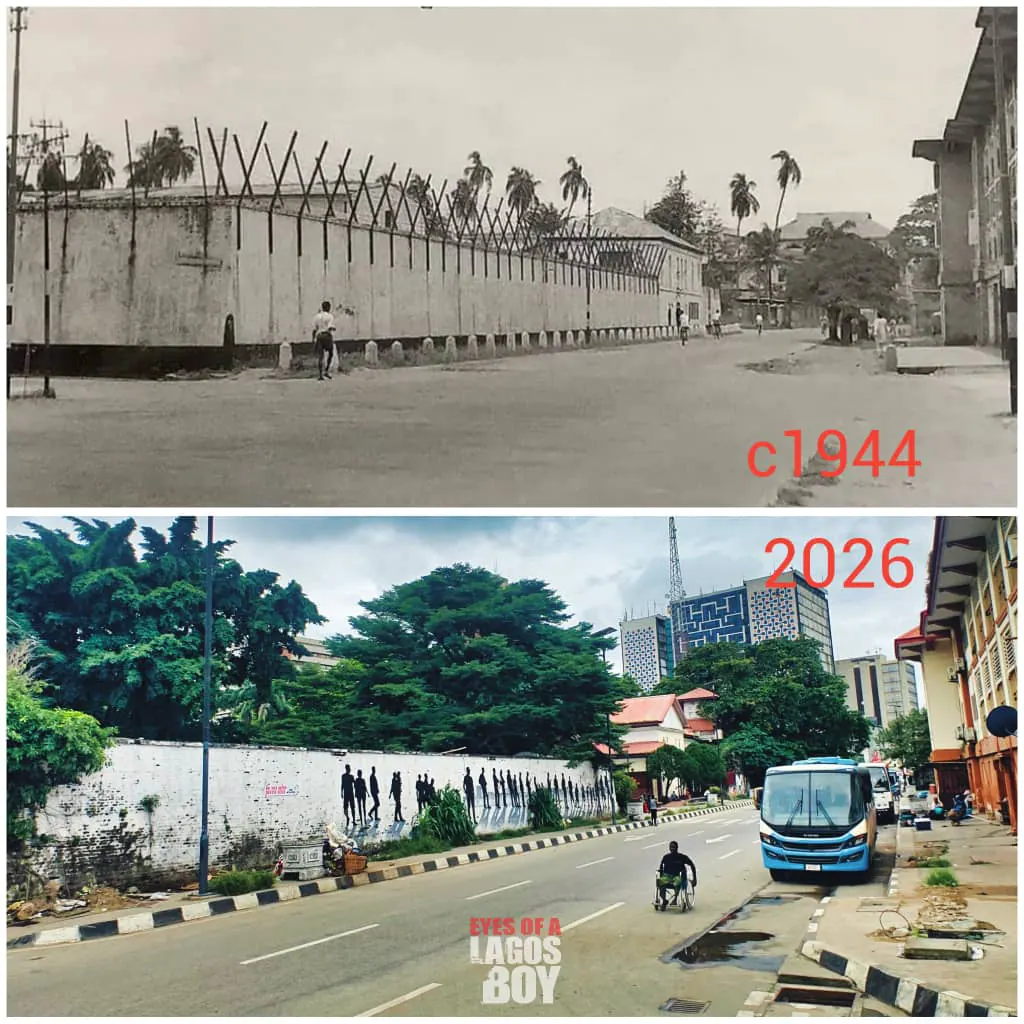
Historically, external media and interests have shaped visual narratives of African cities. However, Bolaji Alonge, a visual historian and documentary photographer, is changing this narrative through his rephotography project, Lagos Then and Now. By taking modern pictures of sites from exact locations used in archival photographs, Alonge is building a local archive centered on the perspectives of Lagosians. This approach allows people to experience the city's ongoing transformation firsthand. Alonge's project is rapidly transforming how urban history is recorded.
Alonge's rephotography technique involves considerable patience and historical research. He sources old archival photographs, locates the precise spot where the original photographer stood, matches the exact camera angle, and captures the contemporary view. This technique directly tracks how the city's streets and neighborhoods have evolved across generations. By placing historical and modern photos side-by-side, the rapid pace of urban development is revealed.
The before-and-after visual records created by Alonge show the significant changes that have taken place in Lagos. Old landmarks have disappeared to make way for modern high-rises, and quiet streets have turned into busy thoroughfares. In some areas, concrete has completely replaced green spaces, while in others, trees have surprisingly grown where there used to be none. These changes have sparked reactions from residents, who care deeply about their city's past.
Reactions to Alonge's comparative photos have been mixed, with nostalgia often shaping how changes are perceived. When an old photo shows a quiet, leafy street that has since become a crowded business area, people usually complain about what was lost. On the other hand, when modern improvements make a location cleaner or more functional, few people notice. This highlights how collective memory often leans on romanticized impressions of the past rather than objective physical shifts.
According to Alonge, the visual pairings regularly spark lively debates online. Viewers share personal memories, discuss city planning policies, and debate government decisions, using the images to evaluate where Lagos came from, who directed its changes, and what its future development should prioritize. The project has gained widespread engagement online and is set to expand beyond digital space.
Alonge's method of rephotography has been applied locally and in global cities like London, New York, Marseille, and Barcelona. This approach highlights a broader truth: sustained urban photography is fundamentally a way of capturing time. A simple photo of a normal street corner today might seem ordinary now, but in twenty or thirty years, it could serve as the only surviving evidence of a neighborhood that no longer exists.
The Lagos Then and Now project is a significant contribution to the documentation of urban history in Nigeria. By using rephotography, Alonge is creating a locally grounded visual record of urban growth. The project showcases the transformation of Lagos and provides a framework for tracking physical and social changes over time.
Key points
- Bolaji Alonge uses rephotography to document Lagos' changing landscape
- The project sparks lively debates online about city planning policies and government decisions
- Sustained urban photography is a way of capturing time and preserving visual history