The recent power outages in several parts of Johannesburg have left residents struggling with daily life, and a clinical psychologist warns that this could have long-term effects on their mental health. Judith Ancer says the repeated power cuts could result in severe mental health issues, including anxiety and depression. Many residents have reported losing food, struggling to work, and relying on alternative and often expensive solutions.
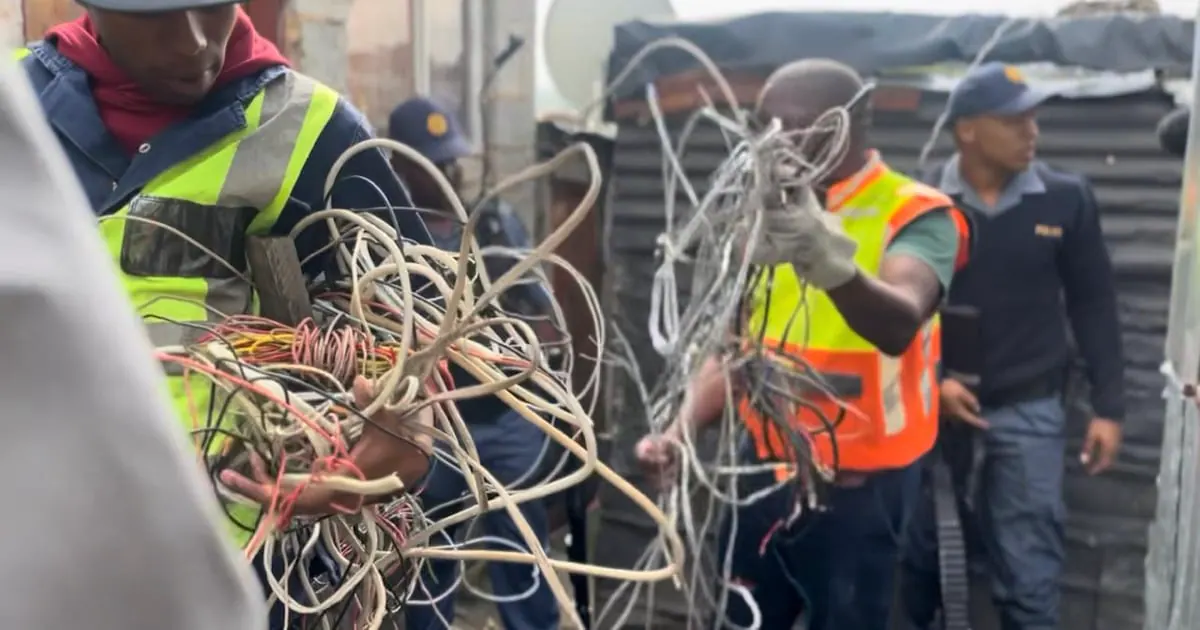
The power outages, which have affected several areas in the northern suburbs, were caused by cable theft and a failure at City Power's central substation. The latest outage occurred on Saturday and has yet to be resolved. Residents have had to adapt to the challenging situation by bathing in cold water, using candles and gas, and relying on takeaways. Ancer explains that the failure to provide basic infrastructure creates feelings of distress, hopelessness, and frustration among residents.
Ancer notes that the impact of power outages on mental health should not be underestimated. When outages continue, residents may begin to feel isolated and abandoned by authorities. The discrepancy between what residents have paid for and what they expect from their service providers is a significant source of stress. Ancer emphasizes that this stress can be overwhelming, especially for those who cannot afford alternative solutions.
According to Ancer, residents in urban areas often feel more frustrated because they have paid for services and expect reliable infrastructure. The lack of reliable electricity supply affects not only daily life but also businesses and overall well-being. Ancer has seen a lot of anxiety and depression in relation to an unpredictable power supply, and she notes that those with financial means to provide alternatives are often less affected.
Ancer explains that the impact of power outages on mental health is an extension of inequality. Those who are more privileged can afford to buy themselves out of distress by investing in alternative solutions such as solar power, generators, and private security. This further exacerbates the existing social and economic disparities. Ancer urges residents not to blame themselves for feeling overwhelmed, emphasizing that it is a normal reaction to an abnormal situation.
To cope with the stress and anxiety caused by power outages, Ancer recommends simple breathing exercises, staying connected with neighbors, and seeking support from helplines such as the South African Depression and Anxiety Group. She also encourages residents to participate in peaceful community action and advocacy, which can help bolster their sense of control and community.
Ancer emphasizes that people's mental health is a community issue and a social issue. She believes that it is essential to address the root causes of the problem, including the failure of societal structures to provide reliable infrastructure. By working together, residents can advocate for change and promote better mental health outcomes for all.
Key points
- Repeated power cuts in Joburg may lead to severe mental health issues, including anxiety and depression.
- The impact of power outages on mental health is an extension of inequality, with those who are more privileged being less affected.
- Residents are encouraged to seek support from helplines and participate in peaceful community action to cope with the stress and anxiety caused by power outages.