Ethiopia is facing a heightened risk of nationwide conflict as renewed large-scale fighting in Tigray converges with ongoing violence in Amhara and Oromia. On September 21, seven groups, including the Tigray People's Liberation Front (TPLF), the Amhara Fano National Movement, and Oromo Liberation Army (OLA), announced the creation of the Ethiopian Peoples' Forces Alliance for Survival. This alliance aims to overthrow the federal government, adding to the country's instability.
The TPLF, whose forces fought the federal government and its allies from 2020-2022, seized key regional airports and advanced into the Amhara and Afar regions. Fighting intensified over the weekend, with the Ethiopian National Defense Forces (ENDF) reportedly retaking the strategic town of Alamata. Meanwhile, TPLF-aligned forces advanced further into Afar, displacing at least 150,000 people and severely disrupting telecommunications across Tigray.
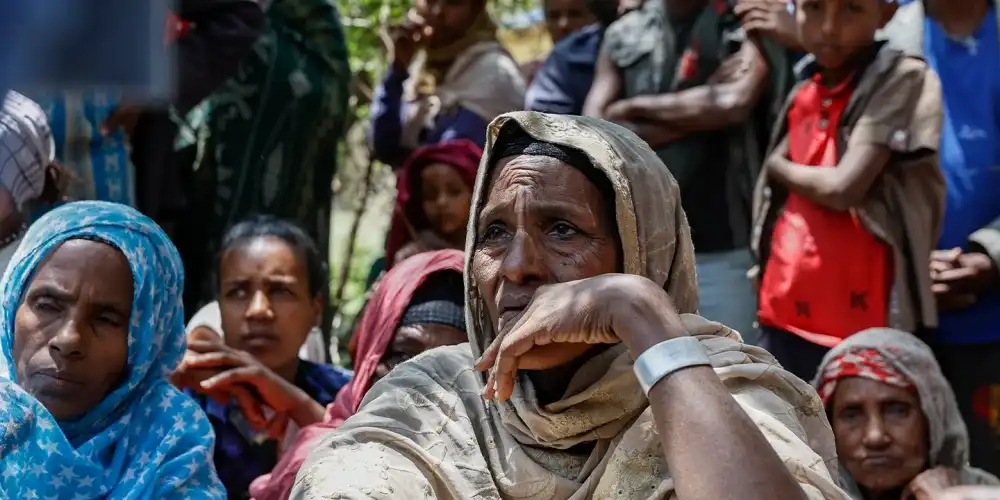
The humanitarian situation in the region is dire, with Médecins Sans Frontières reporting that their treatment centers received at least 720 "war wounded" people as of September 25. UN Secretary-General António Guterres called on all parties to "exercise maximum restraint, immediately de-escalate tensions, protect civilians," and return to talks under the Pretoria Agreement (CoHA). The CoHA was already under significant strain amid escalating internal and regional conflict risks.
The recent escalation is not an isolated incident, as fighting between the ENDF and Tigrayan forces resumed on August 1, with sporadic clashes continuing. Tigrayan regional authorities accused the federal government of launching airstrikes affecting civilians and civilian infrastructure. In August, an alleged ENDF airstrike hit a residential compound in Mekelle, wounding 13 civilians, including seven children.
The 2020-2022 war in northern Ethiopia underscores the risk of renewed atrocities. The UN International Commission of Human Rights Experts on Ethiopia found that federal, Eritrean, and allied forces committed war crimes and crimes against humanity in Tigray, while Tigrayan forces committed war crimes in Amhara and Afar. The Commission warned that Ethiopia displayed most of the UN's identified risk factors for future atrocity crimes.
The escalation is unfolding amid ongoing civilian protection concerns. Government forces have been implicated in unlawful killings, arbitrary detention, sexual violence, and attacks affecting civilians in Amhara. Fano forces have been implicated in atrocities against civilians in Tigray, Amhara, and Oromia. Federal and regional forces and the OLA have also been implicated in grave abuses in Oromia.
The situation in Ethiopia remains volatile, with regional escalation risks growing. Ethiopia's military leadership has accused various groups of atrocities, and the international community is calling for restraint and de-escalation. The country's stability and the protection of civilians remain a pressing concern, with the international community urging all parties to return to talks and find a peaceful resolution.
Key points
- The renewed large-scale fighting in Tigray raises the risk of wider conflict in Ethiopia.
- The humanitarian situation in the region is dire, with at least 150,000 people displaced and 720 "war wounded" people reported.
- The international community is calling for restraint and de-escalation, with the UN Secretary-General urging all parties to return to talks under the Pretoria Agreement.