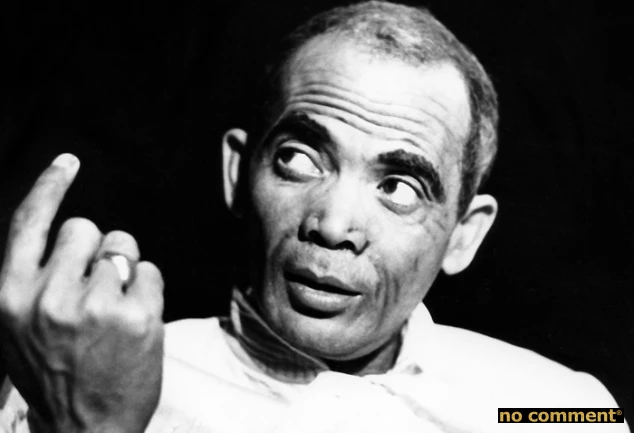
Odéam Rakoto, born in April 1922, was a multifaceted artist - a master of theater, dance, and music. His love for the Malagasy language and culture drove his work, inspiring a generation of artists. Rakoto's journey in the arts began early; at 12, he published his first poems in the Protestant review Teny Soa. Before pursuing his passion for art, he worked as an aircraft mechanic and a mechanic in the port of Toamasina.
Rakoto's entry into the world of theater was facilitated by Rabarinjaka, a comedian who introduced him to the troupe Ramanda. He also worked with Madame Christine, the mother of Lalao Rabeson, on a humorous song program that discussed daily life. His classmates nicknamed him Odéam, the reverse of "maedo" (maestro), although his real name was Rakotovao. This marked the beginning of his career, which would be characterized by the creation of engaging plays and songs.
Odéam Rakoto went on to create his own troupe at the age of 30, which gained significant recognition, including an appearance in the French film La Bigorne, Caporal de France. His work was influenced by the likes of Rabearivelo and Molière, whose pieces he translated into Malagasy. Some notable works include "Aody ry Iarivo," "Tra-boina," and "Mifalia ny tany mamiko." His plays often dealt with themes of patriotism and independence.
In 1958, during the Théâtre de l'Union Culturelle's tour of Madagascar, Rakoto was tasked with explaining La Jalousie du Barbouillé in Malagasy. This exposure to Molière's works inspired him to translate more of his plays, such as L'Avare and Les Fourberies de Scapin. His performances were met with great enthusiasm, and he became known for his ability to blend humor and melancholy in his work.
Odéam Rakoto's contributions to Malagasy arts and culture did not go unnoticed. President Tsiranana appointed him director artistic of the national troupe Ravinala, which toured several countries, including Germany, Greece, and France. He also founded the Imadefolk, the first school of dramatic art and folklore in Madagascar, in 1964. His vision for theater was not limited to entertainment but also as a tool for education and national unity.
Rakoto's innovative approach to theater led him to establish the concept of decentralized theater, making it more accessible to rural communities. He conducted tours and educational performances in various villages, promoting the valorization of local cultures and reinforcing national unity. His work had a lasting impact on Malagasy society, and he remains a celebrated figure in the country's artistic landscape.
Odéam Rakoto's legacy continues through his children, who carry on his tradition with the Landyvolafotsy troupe. He may have passed away in 1973, but his contributions to Malagasy theater and culture remain significant. His life's work serves as a testament to the power of art in shaping national identity and promoting social change.
Key points
- Odéam Rakoto was a pioneer of Malagasy theater, promoting the use of the Malagasy language and culture in his work.
- He founded the Imadefolk, the first school of dramatic art and folklore in Madagascar, in 1964.
- Rakoto's innovative approach to theater included decentralized performances, making it more accessible to rural communities.