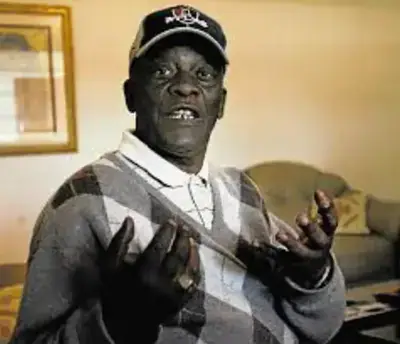
The Buffalo City Film Festival will honour the late filmmaker Ben Nomoyi with the premiere of Derrick Makaula's documentary, Ben Nomoyi: Portrait of a Legend. This event marks a decade since Nomoyi's death and serves as a testament to his lasting impact on South African cinema. Nomoyi was a pioneering Eastern Cape storyteller who contributed significantly to SA film and television. His career was shaped by political conviction, literary craftsmanship, and a commitment to developing the creative potential of others.
Ben Nomoyi, affectionately known as Oom Ben, was a filmmaker who made it possible for others to imagine themselves inside the picture. He understood that cinema was a declaration of presence, an archive of belonging, and an opportunity to reclaim the right to tell their own stories. Nomoyi's creative journey illuminates the relationship between political struggle, indigenous expression, and the enduring quest for a film industry that reflects the full complexity of SA life. His legacy continues to inspire and influence the film industry.
Nomoyi's journey was neither conventional nor without interruption. Born in Korsten, Gqeberha, Nomoyi was consumed by a capricious idea of writing a musical in 1967. He debuted as writer and director of the musical Born to Lose, which toured the country for two years. He credits prolific playwright, actor, and director Athol Fugard as a well of inspiration. Fugard's mentorship strengthened Nomoyi's development as a writer and placed him within a wider theatrical tradition.
Nomoyi made history by penning Nolitye, the first television production in the vernacular, which earned a spot in the Guinness Book of Records. He wrote and directed a veritable host of shows for SABC and later M-Net. His productions, such as Nolitye and Inkedama, demonstrated his commitment to stories grounded in isiXhosa culture. These works affirmed the dramatic possibilities of African languages and the experiences of people whose lives have too often been treated as peripheral to mainstream cultural production.
Nomoyi initially aspired to become a lawyer, an ambition shaped by the possibilities of education and the turbulent political climate in which his generation came of age. His activism led to his expulsion from the University of Fort Hare, a formative rupture that redirected the course of his life. This redirection led him to storytelling, which opened a creative passage through which observation could become dialogue, lived experience could acquire dramatic structure, and the intimate textures of community life could find expression on stage and screen.
Beyond directing and writing, Nomoyi established training programmes in East London to nurture emerging technicians, writers, and directors outside major metropolitan centres. He understood the uncomfortable arithmetic of an industry in which talent is universal, but opportunity is not. The province possessed stories, performers, and aspiring technicians, yet lacked the infrastructure required to turn creative potential into sustainable careers. Industry stakeholders are urged to reform outdated provincial funding frameworks to fully realise Nomoyi's vision for a thriving, self-sustaining Eastern Cape film sector.
Nomoyi's achievements earned him industry recognition, including an Astera Award, presented by the SABC to honour exceptional talent in radio, television, and performing arts. His legacy continues to inspire and influence the film industry. The Buffalo City Film Festival's commemoration of Nomoyi invites audiences to reconsider the life of a man whose creative journey illuminates the relationship between political struggle, indigenous expression, and the enduring quest for a film industry that reflects the full complexity of SA life.
Key points
- Ben Nomoyi's legacy transformed SA cinema by championing isiXhosa voices and stories.
- His documentary, Ben Nomoyi: Portrait of a Legend, will premiere at the Buffalo City Film Festival.
- Nomoyi established training programmes in East London to nurture emerging technicians, writers, and directors.