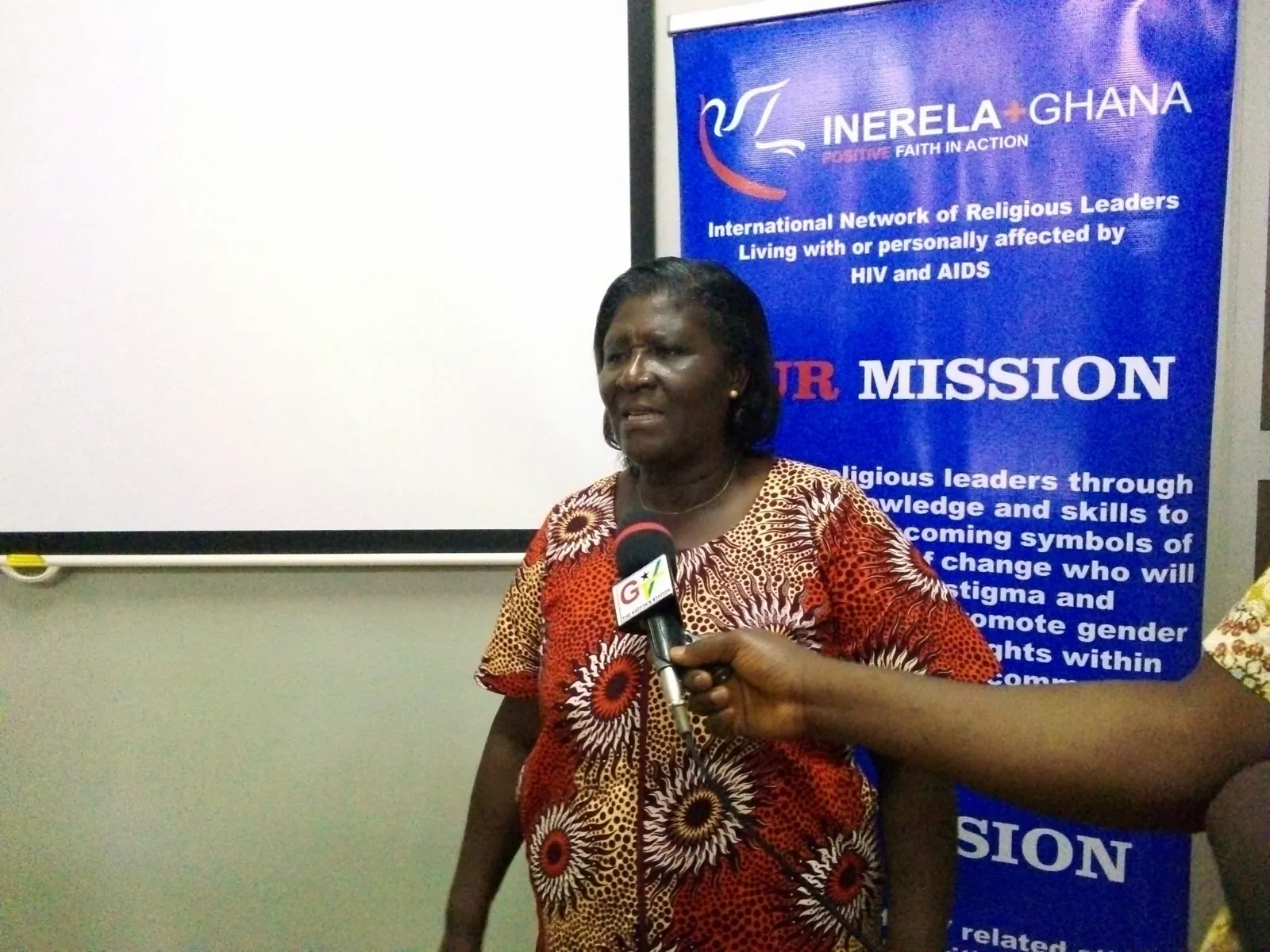
Mrs. Mercy Acquah-Hayford, Country Coordinator of International Network of Religious Leaders Living with or personally affected by HIV and AIDS (INERELA+Ghana), has emphasised the need for religious organisations to serve as agents in preventing stigma and discrimination against Persons Living with HIV (PLHIV). With over 90 per cent of Ghana's population identifying as religious, predominantly Christian and Muslim, she noted that religious bodies wield significant moral authority, social influence, and infrastructural reach.
Mrs. Acquah-Hayford highlighted the crucial role religious leaders can play in ending HIV-related stigma in Ghana. She explained that when religious leaders speak with factual knowledge and unconditional compassion, rather than judgment and superstition, religious institutions can become sanctuaries for health, healing, and human dignity. By leveraging their influence, religious leaders can promote a culture of understanding and acceptance.
The INERELA+Ghana Country Coordinator stressed that prayer and medical science are not mutually exclusive. She urged pastors, prophets, and prayer camp managers to refrain from declaring "miracle cures" that may cause PLHIV to stop adhering to their Antiretroviral Therapy. Instead, they should focus on providing support and guidance to help individuals manage their condition effectively.
According to Mrs. Acquah-Hayford, framing HIV as a "moral failing" or "sin" has driven the pandemic underground by fueling fear, denial, and self-stigma. She noted that persons diagnosed with HIV are often branded as "sinners" and "outcasts" within the religious space, leading many to conceal their status and spread the virus. This judgmental attitude can have severe consequences, including the spread of the disease and emotional distress for those affected.
The 2025 National HIV Estimates and Projections report by the Ghana AIDS Commission (GAC) indicates that new HIV infections have decreased from 16,189 in 2024 to 13,951 in 2025. The report also states that approximately 337,435 people of all ages are currently living with HIV in Ghana. Mrs. Acquah-Hayford emphasised that these statistics highlight the need for continued education and awareness efforts, particularly among religious leaders.
Mrs. Acquah-Hayford called on religious leaders to engage experts in counselling couples with HIV to protect their rights and reduce stigmatisation and discrimination. She argued that it is unfair to prevent would-be couples from marrying due to their HIV status. Instead, religious organisations should provide guidance and support to help individuals make informed decisions about their relationships and health.
Ultimately, Mrs. Acquah-Hayford appealed to society to show love and compassion to persons living with HIV, rather than perpetuating negative stereotypes and stigma. She emphasised that by changing perceptions and promoting a culture of acceptance, Ghana can make progress in addressing the HIV pandemic and improving the lives of those affected.
Key points
- Religious leaders have a crucial role to play in reducing stigma and discrimination against persons living with HIV in Ghana.
- The country's religious bodies have significant moral authority, social influence, and infrastructural reach, which can be leveraged to promote a culture of understanding and acceptance.
- Education and awareness efforts, particularly among religious leaders, are essential in addressing the HIV pandemic and improving the lives of those affected.