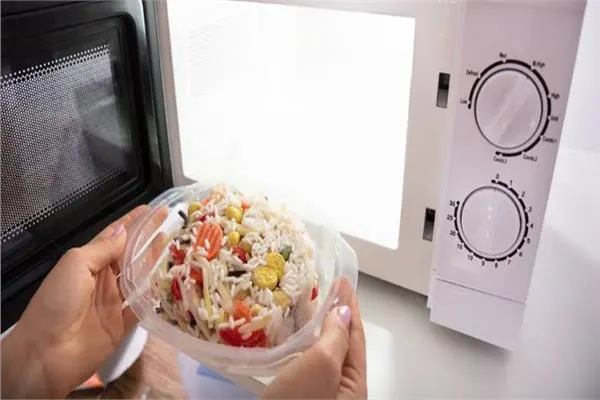
Reheating leftover food can be a convenient way to save time, but it may have unintended health consequences. According to scientific research, certain foods can undergo chemical reactions and bacterial growth when reheated or stored improperly. This can lead to the formation of harmful compounds, including carcinogens, which may increase the risk of cancer.
Leafy green vegetables, such as spinach, contain high levels of nitrates. When reheated or stored for extended periods, these nitrates can convert into nitrites and nitrosamines, which are classified as carcinogenic substances. To minimize risks, it is recommended to consume spinach fresh or chilled in salads. This simple precaution can help prevent the formation of these potentially hazardous compounds.
Mushrooms, which are rich in protein, can become a breeding ground for bacteria when left at room temperature after cooking. This can cause stomach upset and severe digestive problems. To avoid these issues, it is essential to store cooked mushrooms in a refrigerator at a temperature below 4°C.
Cooked rice can also pose a risk due to the rapid growth of bacteria like Bacillus cereus when left at room temperature. Reheating rice in a microwave may not eliminate the toxins produced by these bacteria, which can lead to gastrointestinal disturbances. To prevent this, cooked rice should be refrigerated promptly and reheated to a high temperature.
Boiled or baked potatoes can become a suitable environment for bacterial growth when left for extended periods. Reheating potatoes can also cause a breakdown of their starches, making them harder to digest and potentially more harmful. To minimize risks, it is recommended to consume potatoes fresh and avoid reheating them.
Other foods, such as cooked vegetables and meat, can also be affected by reheating and improper storage. It is crucial to handle and store food safely to prevent bacterial growth and the formation of carcinogenic compounds. This includes refrigerating perishable foods promptly, reheating them to a high temperature, and consuming them within a day or two.
In conclusion, while reheating leftover food can be convenient, it is essential to be aware of the potential risks associated with certain foods. By taking simple precautions, such as storing food safely and consuming it fresh, individuals can minimize their exposure to carcinogenic compounds and maintain a healthy diet.
Key points
- Reheating certain foods, such as spinach and mushrooms, can lead to the formation of carcinogenic compounds.
- Improper storage and reheating of foods can cause bacterial growth and the formation of toxins.
- Handling and storing food safely can help prevent the formation of carcinogenic compounds and maintain a healthy diet.