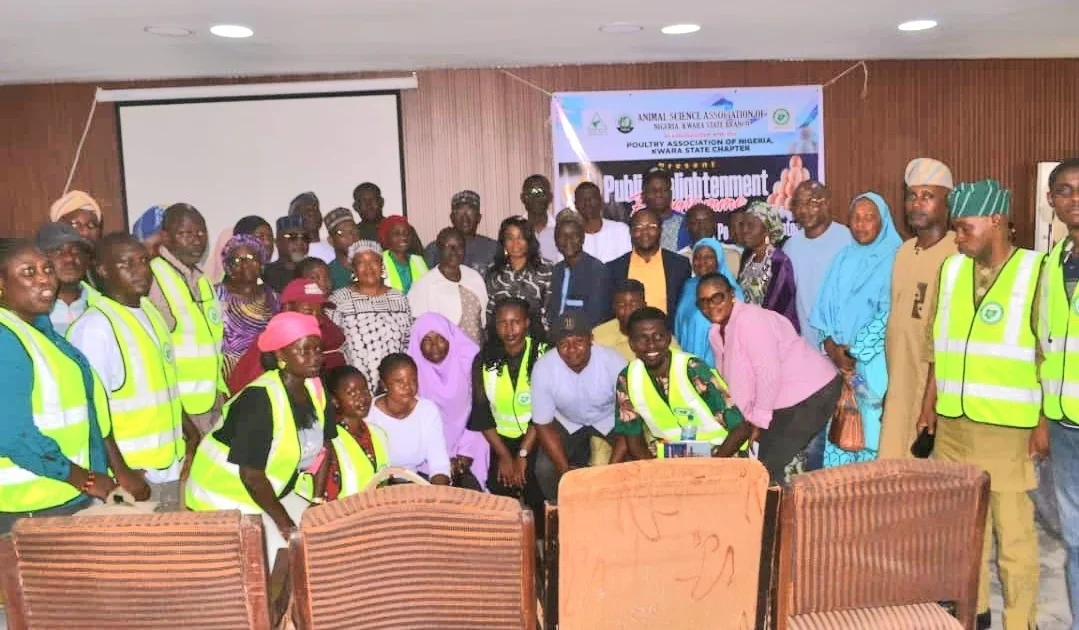
Experts in animal science and nutrition have urged Nigerian households to make eggs a regular part of their diets, citing their rich nutritional content as a potential tool for tackling child malnutrition and stunted growth. The experts made the recommendations at a public enlightenment programme organised in Ilorin by the Animal Science Association of Nigeria, Kwara State Branch, in collaboration with the Poultry Association of Nigeria, Kwara State Branch. The event marked the 30th anniversary of World Egg Day.
According to Victoria Chimezie, an animal geneticist from the Department of Animal Production, University of Ilorin, eggs contain essential nutrients required for children’s growth and development. She explained that the nutritional composition of eggs could help address deficiencies associated with poor physical development, such as stunted growth. Chimezie also challenged the perception that consuming eggs necessarily increased blood cholesterol, explaining that the presence of cholesterol in eggs did not automatically mean that an individual’s blood cholesterol level would rise.
Samuel Akanbi, Chairman of ASAN, Kwara State Branch, urged Nigerians to incorporate eggs into their diets, citing their nutritional contributions to brain development, energy supply and general well-being. Akanbi encouraged students to consume eggs regularly, recommending two eggs per day for students and one egg per day for adults. He also warned consumers against eating spoiled eggs and urged poultry farmers to maintain proper biosecurity practices and use antibiotics responsibly to reduce disease risks.
Despite the nutritional benefits highlighted by the experts, the rising cost of eggs and other food items remains a concern for households. Adedayo Gawati, Vice-Chairman of PAN, Kwara State Branch, said eggs remained a relatively accessible source of animal protein despite recent price increases. Gawati called for government support for poultry farmers, citing the increasing costs of day-old chicks, animal feed and other production inputs as major challenges facing the sector.
Gawati argued that public enlightenment was necessary to help consumers better appreciate the nutritional importance of eggs and encourage healthier eating habits. He urged the government to provide subsidies on animal feed and other production inputs to reduce the financial burden on farmers and improve the availability of eggs to consumers. Olufunke Bolaji, representative of Civil Society Scaling Up Nutrition in Nigeria, also advocated for government support for poultry farmers.
The programme, themed “The Mighty Egg: Protein that Powers and Protects,” brought together animal scientists, poultry farmers, students and other stakeholders to discuss egg nutrition, healthy consumption and challenges confronting poultry production. Some participating students said the programme had improved their understanding of the nutritional benefits of eggs. Blessing Adeogun and Maryam Abdulakeem, students from Glory Seed High School and Ansar-Ud-Deen Islamic Senior Secondary School, respectively, shared their experiences.
The stakeholders called for sustained nutrition education, improved poultry production practices and government support to make eggs more accessible to Nigerian households. The event featured goodwill messages from the Kwara State Ministries of Livestock Development and Youth Development, as well as the Agricultural and Rural Management Training Institute. The experts' recommendations and calls for government support highlight the need for a multi-faceted approach to addressing child malnutrition and promoting healthy eating habits in Nigeria.
Key points
- Experts recommend regular egg consumption to tackle child malnutrition and stunted growth.
- Government support for poultry farmers, including subsidies on animal feed, is necessary to improve egg availability and affordability.
- Public enlightenment is crucial to promote the nutritional importance of eggs and encourage healthier eating habits.