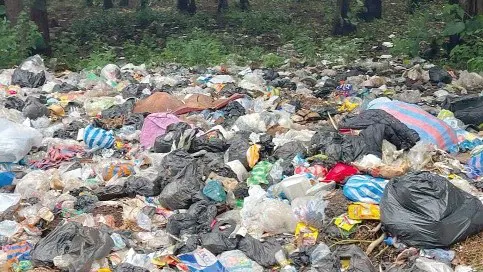
The Nyohini and Gumani forest reserves in Tamale, Ghana, are facing severe degradation due to the accumulation of plastic waste, including bags, bottles, and food packaging. Once valued for their greenery, these protected sites have become informal dumping grounds, raising concerns over the country's waste management. The reserves play a crucial role in recharging groundwater and moderating the local climate, making their degradation a pressing issue. Residents are now witnessing the consequences of unchecked dumping, with the environment and local communities at risk.
According to Graphic Online, the scale of degradation at Nyohini and Gumani forest reserves underscores the problem's advancement in areas supposed to be shielded from such activity. The situation is not isolated, with similar patterns of unchecked dumping surfacing elsewhere in Ghana, including at the Kpone Landfill and other informal dump sites near residential neighborhoods. The issue has sparked concerns about how protected natural spaces are being monitored and enforced.
The Tamale situation adds to a growing list of locations where waste management has failed to keep pace with the volume of refuse being generated. Experts have argued that Accra should move toward waste-to-energy systems rather than relying on landfills. This approach involves converting household and commercial refuse into electricity or heat through controlled incineration, reducing the need for ever-expanding dump sites.
For communities around Nyohini and Gumani, the consequences of continued dumping go beyond unsightly piles of rubbish. Groundwater sources that households depend on, as well as the microclimate benefits the reserves provide, are at risk as plastic and other refuse accumulate and potentially leach into the soil and water table. The degradation also chips away at green cover that has historically helped regulate air quality in and around Tamale.
The issue feeds into an ongoing national conversation about how Ghana disposes of its waste. With the country's struggle to manage waste in protected spaces, there is a growing need for effective solutions. The situation at Nyohini and Gumani forest reserves highlights the importance of addressing waste management and enforcing regulations to protect natural spaces.
Graphic Online's reporting does not indicate whether local authorities or forestry officials have announced any clean-up plan, enforcement action, or timeline for addressing the dumping at Nyohini and Gumani. The scale of the response, if any, remains unclear for now. Residents and environmentalists are eagerly awaiting a resolution to this pressing issue.
The Nyohini and Gumani forest reserves' degradation serves as a stark reminder of Ghana's waste management challenges. With continued dumping, the environment and local communities will face severe consequences. It is essential for authorities to take immediate action to address this issue and implement effective waste management solutions to protect Ghana's natural spaces.
Key points
- Ghana's struggle to manage waste in protected spaces has severe environmental and health consequences.
- The country's shift toward waste-to-energy systems could reduce the need for landfills and mitigate waste management issues.
- Effective enforcement of regulations and monitoring of protected natural spaces are crucial to preventing further degradation.