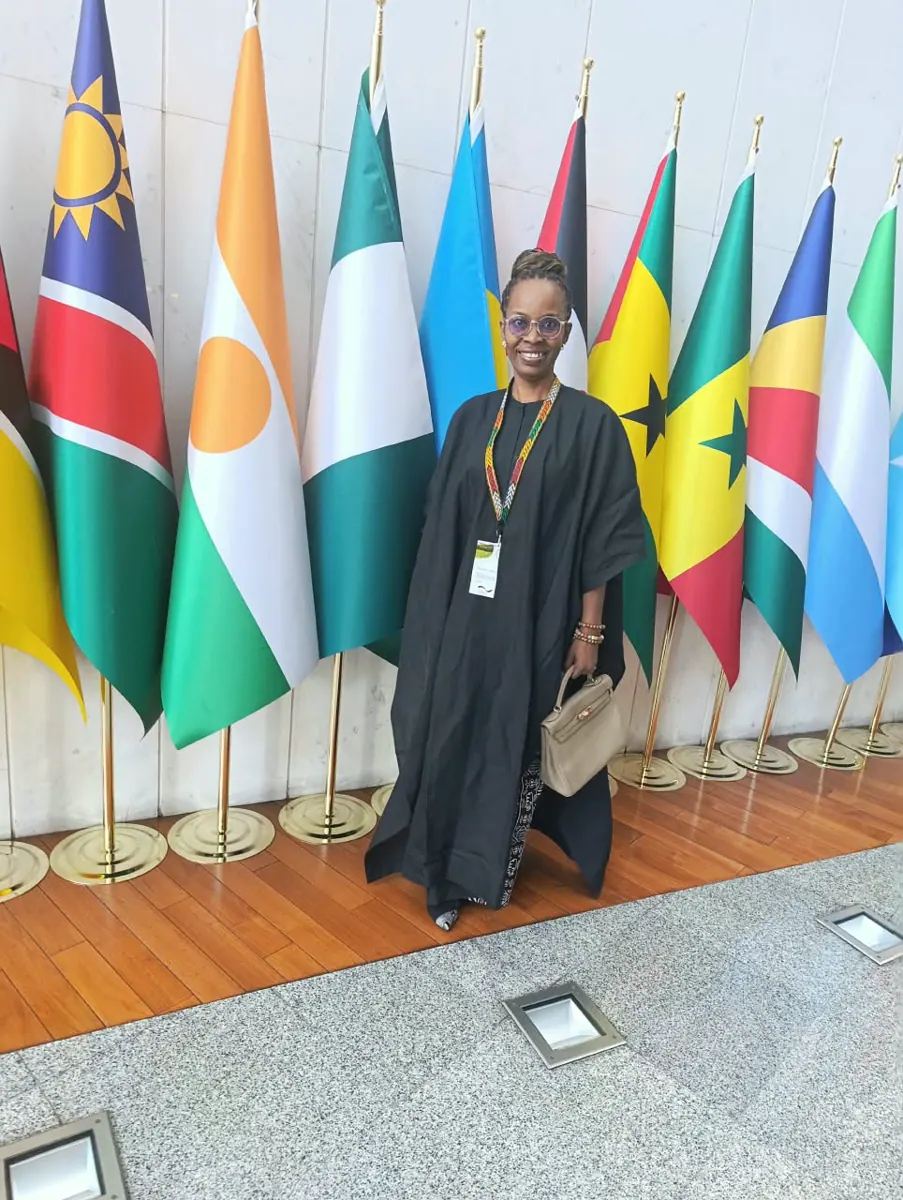
The 81st United Nations General Assembly has brought to the forefront critical issues affecting global communities, including peace and security, climate change, and the role of women in building resilient societies. As an international development practitioner and diplomat, Chika Ebele Jadesola Orji shares insights on the interconnectedness of these issues and their impact on local communities. The discussions emphasized that these issues are not separate crises but chapters of the same story.
Peace and security were highlighted as essential components of sustainable development. The African Union's high-level meeting on Women, Peace and Security underscored the importance of women's participation in peacebuilding processes. AU Commission Chairperson Mahmoud Ali Youssouf stressed the need for women's knowledge, leadership, and mediation capacities to translate into real and sustained influence. This call for meaningful participation is crucial in ensuring that women have a voice in shaping their communities' futures.
Climate change was another critical issue discussed at UNGA81. President Paul Kagame of Rwanda emphasized the need for a shared responsibility approach to mitigation and adaptation strategies that leave no one behind. For Africa, climate change is not an abstract issue but a lived reality, particularly for smallholder women farmers who face unpredictable rainfall, drought, and flooding. The intersection of climate change and food security was highlighted as a critical area of focus.
The role of women in food security and building resilient communities was also emphasized. The UN has recognized the significant contribution of women across agrifood systems, and 2026 has been declared the International Year of the Woman Farmer. However, recognition must translate into opportunity, and women farmers need meaningful access to land, finance, technology, and decision-making spaces to ensure food security and sustainable livelihoods.
Nigeria's intervention at UNGA81 offered a perspective on Africa's place in the multilateral system. Vice President Kashim Shettima emphasized that developing countries should be recognized as indispensable partners in global solutions and shared prosperity. This call for partnership and agency is crucial in ensuring that Africa's knowledge, innovation, and resources are leveraged to address global challenges.
A critical reflection from UNGA81 is the need to translate global commitments into action and measurable change. The distance between international commitments and local communities should be measured by the effectiveness of policies and resources in addressing community needs. For a woman farmer, this means seeing the connection between global conversations and local realities, such as safer communities, better access to markets, and climate-resilient agrifood systems.
Ultimately, the essence of meaningful international development, multilateralism, and diplomacy lies in connecting global commitments with local realities. Ensuring that people at the heart of development have a voice and influence in decisions affecting their lives is crucial. As the international community moves forward, it must prioritize the needs and perspectives of local communities, particularly women and smallholder farmers, to build more resilient and sustainable societies.
Key points
- The 81st United Nations General Assembly highlighted the interconnected issues of peace and security, climate change, and women's roles in building resilient societies.
- Women's participation and influence in peacebuilding processes and decision-making spaces are crucial for sustainable development.
- Translating global commitments into action and measurable change requires prioritizing the needs and perspectives of local communities.