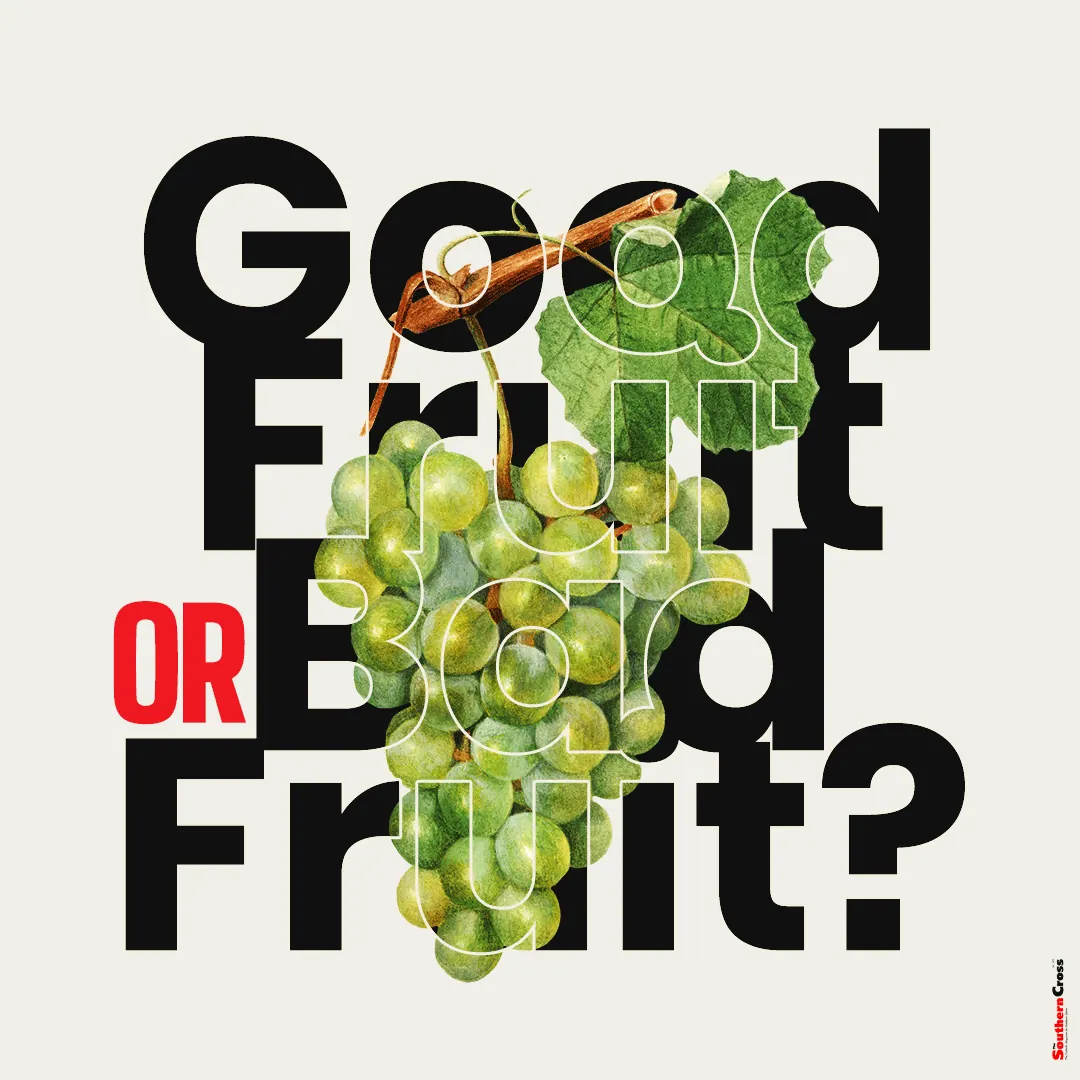
As the 27th Sunday in Ordinary Time approaches, Christians in South Africa and around the world are reflecting on their actions and their relationship with God. The theme of this Sunday's readings is "The Sour Grapes," encouraging believers to examine their lives and determine whether they are producing good or bad fruit. This introspection is based on the Scriptural readings from Isaiah, Philippians, and Matthew. Emmanuel Suntheni OSB, in his sermon, invites Christians to ask themselves if they are grateful and if their actions align with God's expectations.
In the first reading from Isaiah, the prophet speaks on behalf of God, who has cared for and protected the people of Israel. Despite God's efforts, the people have yielded "wild" or "sour grapes," failing to produce the expected good fruit. This story serves as a metaphor for God's relationship with His people and their responsibility to respond to His love and care. The reading encourages believers to reflect on their own lives and actions, asking whether they are producing good fruit or sour grapes that can lead to disaster.
The Gospel reading from Matthew continues the theme of producing good fruit, using the parable of the vineyard and the workers. The landowner entrusted his vineyard to farmers, who chose to keep the produce for themselves and even killed the landowner's servants and son. This story serves as a critique of the Jewish leadership and their rejection of Jesus as the rightful leader of the people of God. The parable emphasizes the importance of producing good fruit, which is achieved by accepting Jesus as God's Messiah and living according to His teachings.
In the second reading from Philippians, St. Paul issues instructions on community life, emphasizing the need for optimism, gratitude, and harmonious relationships. He encourages believers to develop a good relationship with God through prayer, supplication, and gratitude, which can bring serenity in difficult situations. Paul's message is relevant to Christians today, reminding them to be mindful of their actions and attitudes, especially in the face of challenges and crises.
The readings for this Sunday encourage Christians to reflect on their lives and actions, asking whether they are producing good fruit or sour grapes. This introspection is crucial, as it can help believers identify areas for improvement and make amends. By producing good fruit, Christians can demonstrate their gratitude to God and fulfill their responsibility as followers of Jesus. This reflection is particularly relevant in today's society, where many people are faced with challenges and temptations that can lead them astray.
In many societies, including South Africa, the benefits of prosperity and resources often favor the elite, leaving the poor and vulnerable behind. This can lead to the production of sour grapes, such as corruption, looting of public funds, and gross mismanagement. Christians are called to be mindful of their actions and ensure that they are using their blessings for the common good. By doing so, they can produce good fruit that nourishes and uplifts others.
As Christians reflect on their lives and actions, they are encouraged to ask themselves if they are producing good fruit or sour grapes. This introspection can help them identify areas for improvement and make amends. By accepting Jesus as God's Messiah and living according to His teachings, believers can produce good fruit that demonstrates their gratitude to God and fulfills their responsibility as followers of Jesus.
Key points
- Christians are called to produce good fruit in life by accepting Jesus as God's Messiah and living according to His teachings.