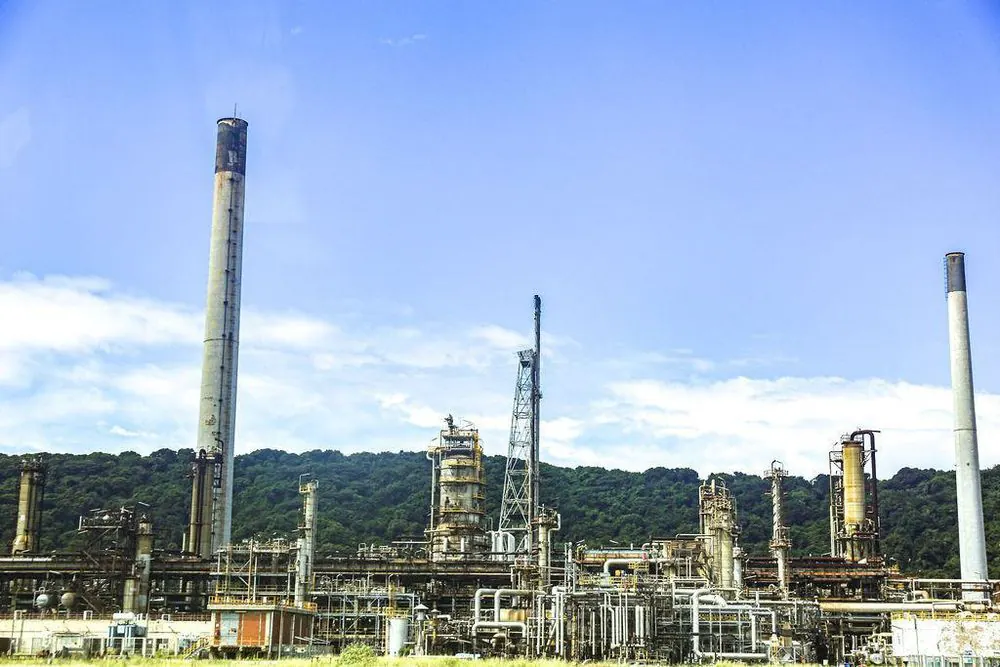
South Africa's growing dependence on imported refined fuel is leaving the economy more exposed to international supply shocks, pressure on the trade balance, and higher costs. Economists have warned that the country's declining domestic refining capacity has increased reliance on imported refined fuel. Research by South African Reserve Bank economists estimated that the country's oil-import bill could have been R76 billion lower between 2021 and 2024 if refined petroleum products had accounted for no more than 25% of total oil imports.
The research, published in an Economic Note titled "Running on empty? South Africa's refinery closures and their macroeconomic impact," found that imported refined products now supply more than half of domestic fuel demand as local refining capacity has declined. The study also revealed that refinery closures had reduced petroleum-related manufacturing output by roughly 20% since 2019, displaced an estimated 5,400 direct and indirect jobs, and contributed to firms deferring investment.
North-West University Business School economist Professor Raymond Parsons said the R76 billion estimate highlighted the economic risks created by South Africa's dependence on imported fuel. He emphasized that reducing the country's dependence on imported fuel remains a high priority, especially given the ongoing global energy crisis. Parsons also stressed the need for strategic fuel-reserve policies as refined petroleum products come under pressure internationally.
Parsons said rebuilding domestic refining capacity was necessary for South Africa to address capacity lost through refinery closures. That capacity has fallen sharply over the past decade. He noted that geopolitical developments strengthened the case for strategic fuel-reserve policies. The SARB research found that refined petroleum products were, on average, 12% more expensive than crude oil between 2014 and 2024.
Independent economist Ulrich Joubert said the R76 billion estimate was relatively small when viewed against the size of the economy, but higher fuel costs could significantly affect households and businesses. He explained that increased transport costs could work through the economy and eventually be reflected in prices consumers paid for goods. Joubert cautioned that higher fuel costs could also weigh on consumer spending, inflation, the trade balance, and the wider economy.
Government has acknowledged the risks associated with declining domestic refining capacity and growing dependence on imported finished fuel. Mineral and Petroleum Resources Minister Gwede Mantashe said about 60% of South Africa's fuel supply was being met through imported refined products, while about 40% was processed through domestic refineries and Sasol. Mantashe stated that the government intended to rebuild SAPREF and PetroSA and increase domestic refining capacity over time.
The effectiveness of the government's plans to rebuild domestic refining capacity and reduce dependence on imported refined fuel will depend on implementation, according to Parsons. Deputy Minister Phumzile Mgcina said the Central Energy Fund was advancing the South African National Petroleum Company's refinery strategy to reduce dependence on imported refined products and strengthen long-term security of supply.
Key points
- South Africa's oil-import bill could have been R76 billion lower between 2021 and 2024 if refined petroleum products had accounted for no more than 25% of total oil imports.
- Imported refined products now supply more than half of domestic fuel demand as local refining capacity has declined.
- Government intends to rebuild SAPREF and PetroSA and increase domestic refining capacity over time.