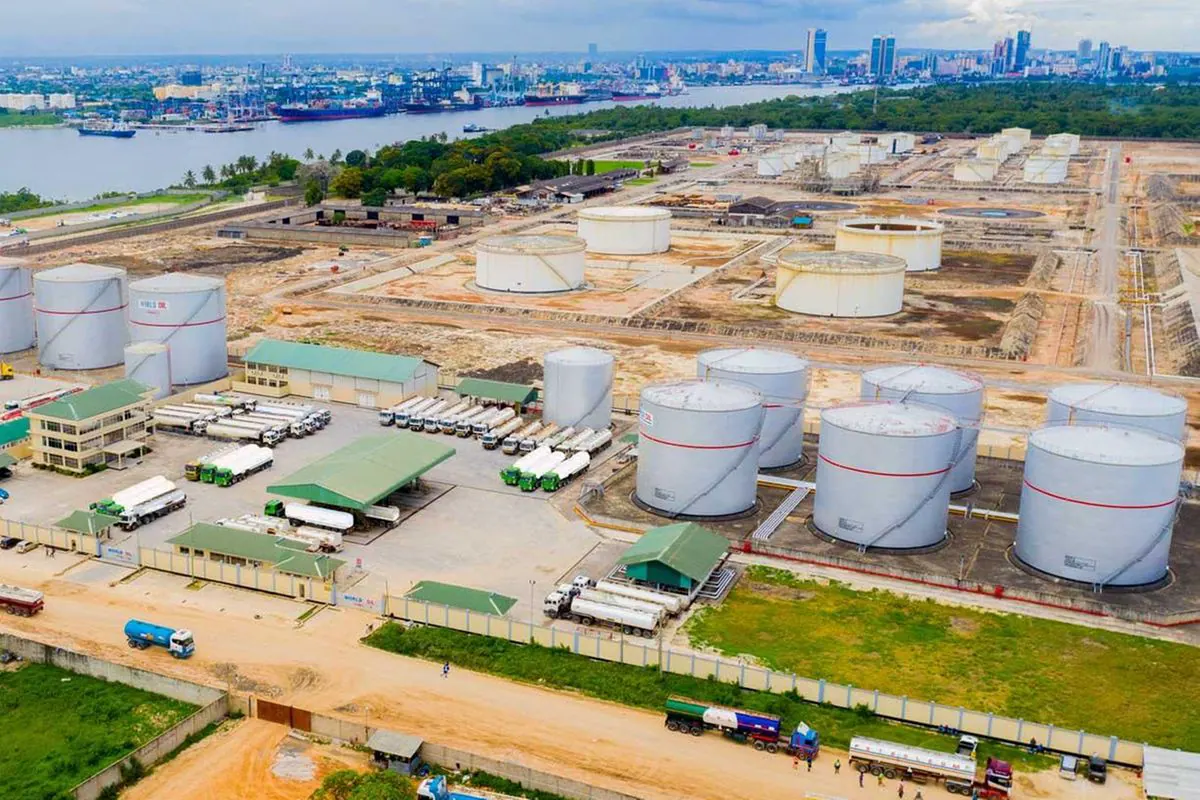
East Africa faces significant challenges in integrating its refineries, ports, pipelines, and petrochemical industries into a cohesive regional economic system. According to Anna Tibaijuka, a former Tanzanian Cabinet minister, economists can identify efficiencies, engineers can design infrastructure, and investors can calculate returns, but regional planning ultimately requires political will and authority. The region's history shows that cooperation predates the present East African Community (EAC), with Kenya, Uganda, and Tanganyika sharing common services under British colonial administration.
The first post-independence EAC, established in 1967, maintained substantial common services but collapsed in 1977 due to inadequate political will and disagreements over the distribution of benefits. These lessons remain relevant today, as regional integration cannot survive without political commitment. Citizens must believe that efficiency does not simply concentrate industries, jobs, and revenues in one country. The stakes are much greater today, with the expanded EAC comprising eight Partner States and a combined population exceeding 340 million.
The demographic transformation in East Africa illustrates the significant changes that have taken place. When the first post-independence EAC was established, Kenya, Tanzania, and Uganda together had only about 30 million people. By 2050, the UN's medium population projections indicate that these same eight countries could have about 619 million people, nearly twice today's population and more than twenty times the population of the original Community. This large market can support significant investments in refineries, petrochemical industries, and transport corridors.
President Museveni has long argued for faster integration, warning against Partner States pursuing parallel efforts instead of coordinated ones. The economic imperative is now much clearer, with the ports in East Africa needing to be viewed as a regional system. The choices extend far beyond Tanga versus Mombasa, with Kenya having Mombasa and Lamu, Tanzania having Dar es Salaam, Tanga, and Mtwara, and Zanzibar developing Mangapwani. These ports can specialize in different areas, such as containers, petroleum, or tourism-related activities.
The ports remain sovereign national assets but can perform vital regional economic functions, particularly for landlocked states like Uganda, Rwanda, Burundi, and South Sudan. International law recognizes the right of landlocked states to access the sea and freedom of transit, subject to arrangements with transit states. Museveni has stressed that the prosperity of landlocked East African countries depends on efficient railway and harbour services through their coastal neighbors.
The EAC Heads of State must confront the question of who decides whether proposed refineries are complementary or duplicative and who assures a Partner State that accepting an investment across the border does not mean surrendering its fair share of the benefits. Consultants cannot settle such questions; the EAC Heads of State ultimately must. They could mandate a regional optimization study covering refineries, petrochemicals, pipelines, and ports to 2050.
The refinery and port debate raises questions about the future of East African integration, with President Museveni arguing that integration cannot stop permanently at a Customs Union and Common Market but must eventually confront the question of political federation. Deeper economic integration makes the underlying political question increasingly difficult to avoid, requiring public consent, trust among Partner States, accountable institutions, and agreement on how sovereignty, responsibilities, and benefits would be shared.
Key points
- East Africa's refineries, ports, and petrochemical industries must be examined as parts of one regional economic system.
- The EAC Heads of State must make key decisions on regional planning and integration.
- Political federation may be necessary for deeper economic integration in East Africa.