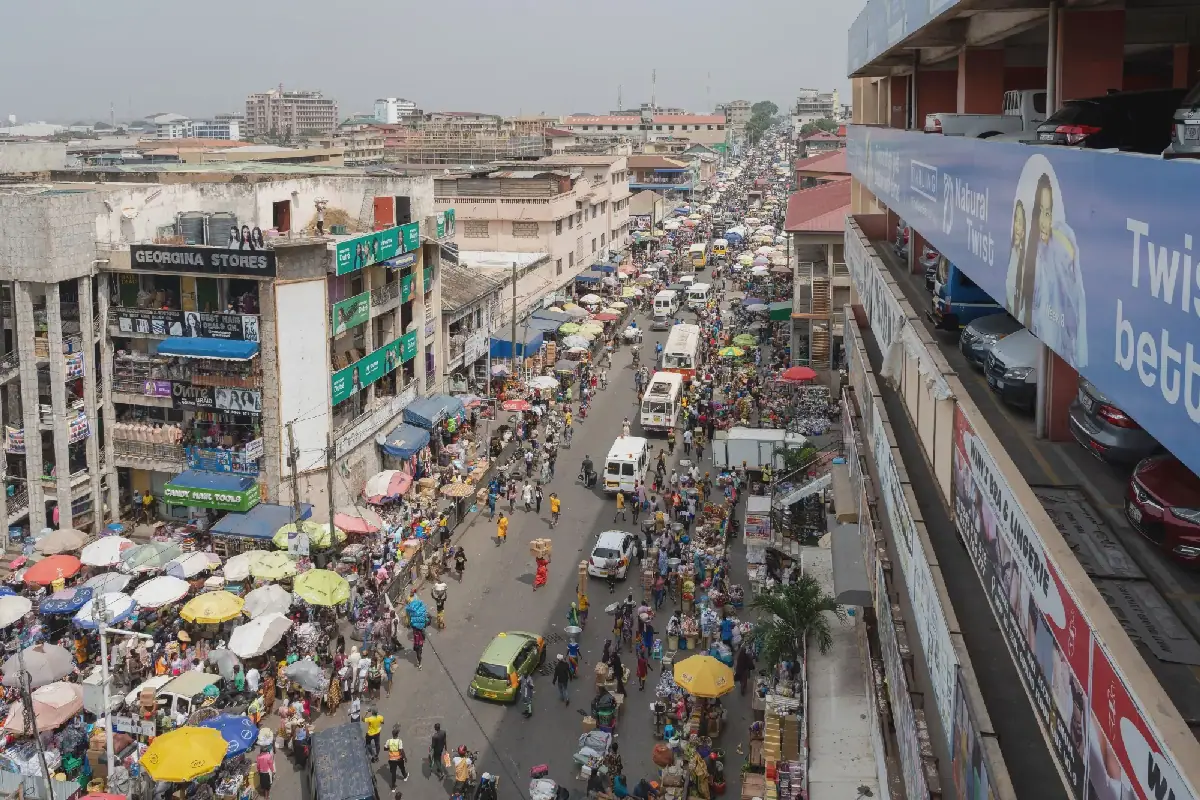
The Bank of Ghana (BoG) is adopting a data-driven approach to gauge inflationary pressures more accurately. By leveraging artificial intelligence (AI) and online prices, the BoG aims to estimate changes in consumer costs before official statistics are released. This move is expected to provide monetary policymakers with faster signals of inflationary pressures, enabling more timely decision-making.
The BoG's new approach involves using real-time data to assess price changes, which will complement traditional methods of measuring inflation. This shift towards a more dynamic and responsive system is crucial in today's fast-paced economic environment, where timely data can significantly influence policy decisions. The BoG's initiative reflects its commitment to enhancing its analytical capabilities and improving the effectiveness of its monetary policy.
Ghana has been experiencing fluctuations in inflation rates, which have implications for economic growth and stability. The use of real-time inflation data will enable the BoG to respond more swiftly to emerging trends and make more informed decisions about monetary policy. This, in turn, can help mitigate the impact of inflation on the economy and support sustainable growth.
The BoG's move is part of a broader effort to deepen its understanding of the economy and improve its policy responses. By harnessing the power of AI and real-time data, the BoG aims to enhance its ability to anticipate and respond to economic shocks. This proactive approach can help Ghana navigate the complexities of the global economy and maintain economic stability.
According to recent data, construction-sector inflation in Ghana rose to 5.1 percent in September 2026, driven primarily by surging plant and equipment costs. The Ghana Statistical Service's (GSS) Prime Building Cost Index (PBCI) highlighted the increasing costs faced by the construction sector, which can have far-reaching implications for the broader economy.
The BoG's adoption of real-time inflation data is also relevant in the context of regional economic developments. West African countries have been urged to deepen regional energy trade and strengthen domestic refining capacity to reduce their exposure to global supply disruptions. This emphasis on regional cooperation and self-sufficiency underscores the need for effective economic management and policy responses.
The introduction of real-time inflation data is a significant development in Ghana's economic landscape. As the BoG continues to refine its approach, it is likely to have a positive impact on the country's economic management and policy responses. By enhancing its analytical capabilities and improving the timeliness of its data, the BoG can help support sustainable economic growth and stability in Ghana.
Key points
- The Bank of Ghana is exploring a data-driven approach using AI and online prices to estimate changes in consumer costs before official statistics are released.