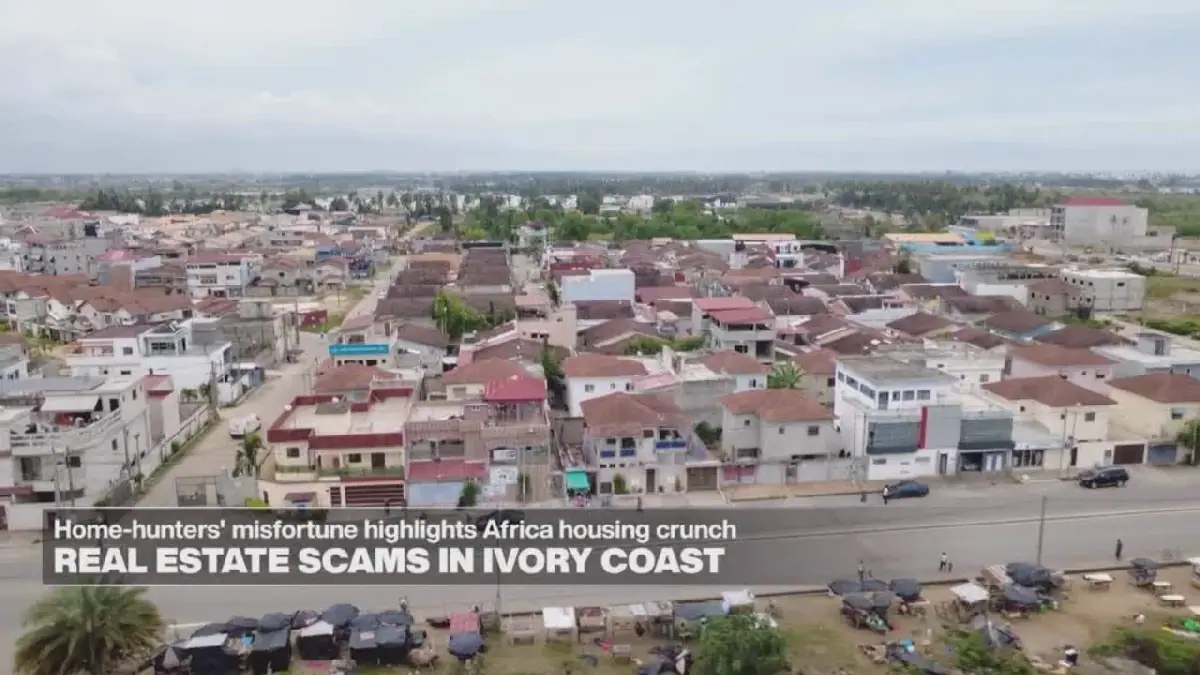
A severe housing shortage in Ivory Coast has led to a surge in demand for land, creating a lucrative opportunity for scammers. Many individuals are falling prey to fraudsters selling fake properties and non-existent plots. The issue has become a significant concern in the country, with authorities struggling to keep up with the number of reported cases. The housing shortage has been a long-standing problem in Ivory Coast, and the government has been working to address it. However, the scammers have taken advantage of the situation, leaving many people out of pocket.
The Ivorian government has been working to improve the housing sector, but the task is proving challenging. According to a report by the World Bank, the country's housing deficit is estimated to be around 1.6 million units. The government has launched several initiatives aimed at addressing the shortage, including a plan to build 100,000 affordable housing units. However, the scammers have been quick to adapt, using social media and other platforms to advertise fake properties.
The scammers often target vulnerable individuals, including those looking to buy their first home or invest in land. They use high-pressure sales tactics and fake documents to convince their victims to part with their money. In some cases, the scammers have even gone as far as to stage fake property viewings and provide fake keys to unsuspecting buyers. The victims often only realize they have been scammed when they try to complete the purchase or take possession of the property.
Kenya's women are changing the game in the sports sector. Female athletes are delivering some of the country's biggest sporting successes, from the track to the boxing ring. The country's women have made significant strides in recent years, winning numerous international titles and breaking records. The success of Kenyan women in sports has inspired a new generation of young athletes, who are looking to follow in their footsteps.
Addis Ababa is pushing ahead with ambitious plans to become East Africa's clean-energy powerhouse. The city has set a target of generating 100% of its electricity from renewable sources by 2025. To achieve this goal, the city is investing heavily in solar and wind power, with several large-scale projects underway. The move is part of a broader effort to reduce the city's carbon footprint and promote sustainable development.
The issue of real estate scams in Ivory Coast has significant implications for the country's economy and development. The scams are not only causing financial losses for individuals but also undermining trust in the property sector. The government needs to take a comprehensive approach to address the issue, including strengthening regulations and increasing public awareness.
In conclusion, the issue of real estate scams in Ivory Coast is a complex one, requiring a multifaceted approach to resolve. The government, in conjunction with other stakeholders, needs to work to address the housing shortage, strengthen regulations, and increase public awareness.
Key points
- Severe housing shortage in Ivory Coast has created opportunities for fraudsters selling fake properties.
- Kenya's women are achieving significant success in sports, inspiring a new generation of athletes.
- Addis Ababa aims to become East Africa's clean-energy powerhouse by 2025.