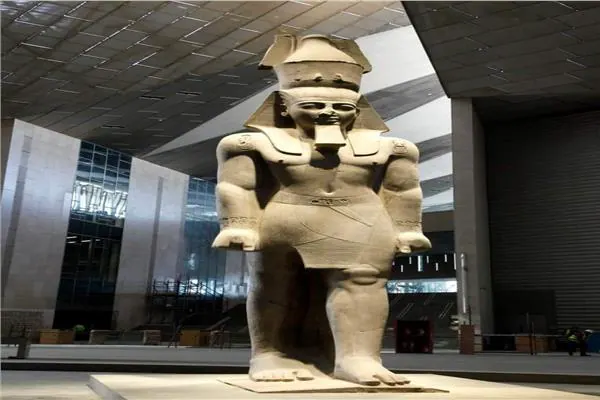
Egyptian Pharaoh Ramses II, a prominent figure of the New Kingdom, is renowned for his extensive military campaigns and strategic leadership. He ruled Egypt during a period marked by significant military endeavors, defending the nation's borders and expanding its influence. His reign is a testament to the complexities of ancient Egyptian leadership, where the roles of warrior and statesman were often intertwined. Ramses II's military campaigns took him to various regions, including the Levant and Nubia.
One of Ramses II's most notable military engagements was the Battle of Kadesh, which occurred in the fourth year of his reign. This battle holds a significant place in the annals of ancient Egyptian military history. The pharaoh commemorated the event through various inscriptions and reliefs, highlighting his victory and military prowess. These historical accounts provide valuable insights into the tactics and strategies employed during ancient Egyptian warfare.
Beyond his military achievements, Ramses II is also remembered for his diplomatic endeavors. In the 21st year of his reign, he negotiated a peace treaty with Hattusili III, the king of the Hittites. This treaty is recognized as one of the oldest recorded peace treaties in history, demonstrating Ramses II's ability to navigate complex international relations and prioritize diplomacy when necessary.
A granite statue of Ramses II, discovered in Egypt, exemplifies the artistic and symbolic representation of pharaohs during the New Kingdom period. The statue showcases the pharaoh's dual role as a military leader and a divine ruler. Such artifacts not only highlight the artistic skills of ancient Egyptian craftsmen but also provide a window into the cultural and religious practices of the time.
The legacy of Ramses II extends beyond his military campaigns and diplomatic achievements. He is remembered as a ruler who embodied the values of courage and responsibility, which were deeply ingrained in ancient Egyptian culture. His reign serves as a testament to the enduring power of these values, which continue to inspire and influence contemporary society.
The commemoration of Egypt's October War victories provides an opportunity to reflect on the historical context of military leadership in Egypt. Ramses II's story, alongside that of other pharaohs, underscores the significance of defending the nation and the enduring spirit of Egyptian resilience. The artifacts and historical records from this period offer a glimpse into the complexities of ancient Egyptian society and its rulers.
The historical narrative of Ramses II serves as a reminder of the intricate relationships between military leadership, diplomacy, and cultural identity in ancient Egypt. His reign, marked by both conflict and cooperation, highlights the multifaceted nature of leadership and the importance of adapting to changing circumstances. As a prominent figure in Egyptian history, Ramses II continues to fascinate and inspire, offering valuable lessons for contemporary leaders and historians alike.
Key points
- Ramses II led several military campaigns and signed a historic peace treaty with the Hittites.