The accommodation crisis in Port Harcourt, Rivers State's capital and commercial hub, continues to worsen, with house rents soaring as big firms and oil workers seek decent homes. This has led to a surge in prices, pushing low-income earners to the city's outskirts. Daily Trust checks reveal that a two-bedroom flat in highbrow areas like GRA and Peter Odili Road now costs between N1.5m and N3m yearly, up from less than N800,000 two years ago.
Landlords and property agents attribute the rent increase to the high cost of building materials and strong demand from dollar-paying tenants. However, observations suggest that the population of residents in the city far exceeds the available housing, primarily causing the rent crisis. Some oil firm workers and expatriates pay as high as N10 million in rent for a duplex, while low-income earners like civil servants are being pushed to areas like Obigbo, Elelenwo, Choba, and Ahoada town.
The recent flooding in Port Harcourt and Obio/Akpo local government area has further exacerbated the rent crisis, with landlords in unaffected areas hiking their rents. Tenants lament the constant rent increases amidst the country's economic challenges, urging the state government to take action. The Rivers State government has invested in an affordable housing scheme, but private players dominate the housing sector.
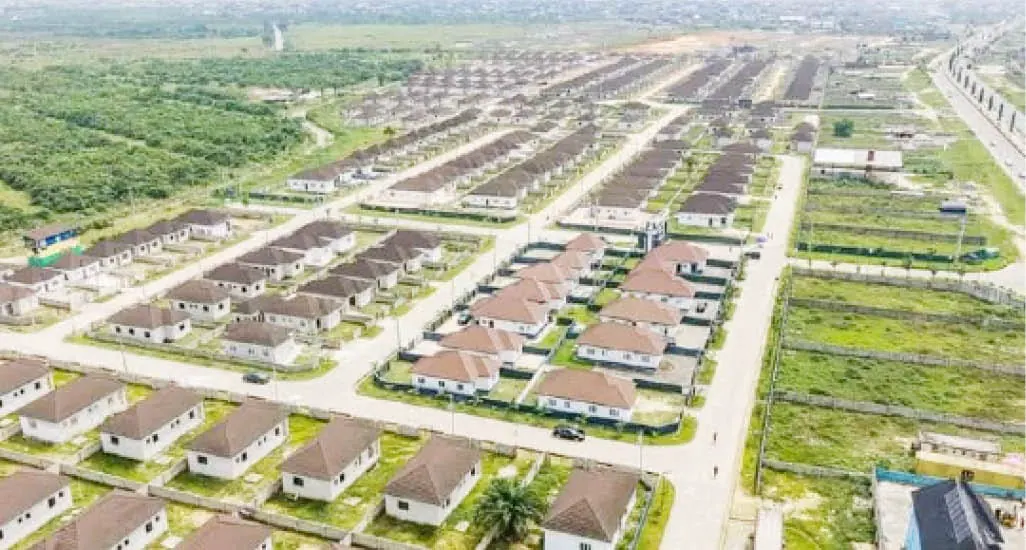
In December last year, Governor Siminalayi Fubara inaugurated the first 1000 units of a 20,000 low-income earners' housing scheme in Port Harcourt, built under a Public Private Partnership model with TAF Africa Global Limited and Greater TAF Nigeria Limited. The project aims to provide affordable housing for middle-income earners in the state. The Managing Director of TAF Africa Global Limited, Mr. Mustapha Njie, commended the state government for their support and confidence in the project.
Governor Fubara disclosed that over 90 litigations were instituted to stall the project, but the inauguration of the first phase affirms his administration's commitment to delivering 1,000 housing units, with a larger plan of 20,000 units. He regretted that some individuals claimed ownership of the land and alleged non-payment of compensation, hindering the project's progress.
Executive Secretary of the National Union of Tenants in Nigeria, Ceaser Enwefa, attributed the rent increase in Rivers State partly to property owners and agents, rather than the cost of building materials and population upsurge. He noted that most residents in the commercial nerve center are staying in outskirts like Obigbo, Elelenwo, Choba, and Ahoada, but rents in Port Harcourt still escalate due to government and agent factors, as well as property owners' greed.
The rent crisis in Port Harcourt has become a pressing issue, with tenants facing difficulties in affording decent housing. The state government's efforts to provide affordable housing through public-private partnerships are a step in the right direction. However, more needs to be done to address the root causes of the crisis and provide relief to low-income earners.
Key points
- The rent crisis in Port Harcourt is primarily caused by the shortage of housing supply, which has led to a surge in prices.
- The state government's affordable housing scheme aims to provide 20,000 units of low-income housing, but the project faces challenges, including litigations and land ownership claims.
- Tenants in Port Harcourt are urging the state government to take drastic action against the constant rent increases, which are exacerbating the economic challenges faced by residents.