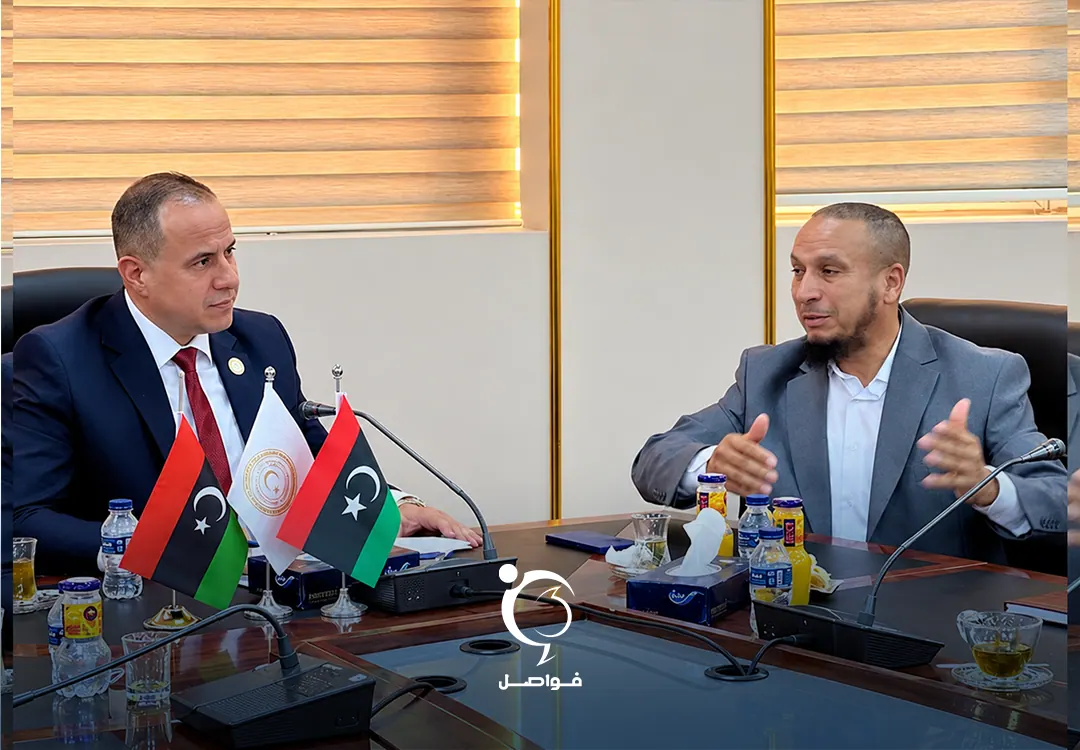
Libyan teachers have elected Ramadan Muhammad Al-Maktouf as the new head of the General Teachers' Union. Al-Maktouf won the election with 35 votes, while his closest rival, Omar Awuidat Masoud Kshakhi, secured 26 votes to become the union's deputy head. Al-Maktouf, who ran on a platform from the Zawiya Center Teachers' Union, previously served as deputy head of the union's steering committee.
The election took place on September 20, with 131 branch union heads participating, equivalent to 99% of targeted voters. A total of 23 candidates contested the election. Al-Maktouf's election comes at a time when Libya's education sector is experiencing increased protests. Teachers began a sit-in on September 13, coinciding with the start of the academic year, demanding better salaries, health insurance, and payment of financial differences.
The protests have continued, with the union leadership insisting on maintaining the sit-in until concrete actions are taken. Following a meeting with the Minister of Education on September 15, the union stated that it was waiting for "practical steps and tangible results," not just promises. On September 26, the union rejected a request from the government representative to end the sit-in before official decisions were made and implementation began.
With the 15-day sit-in deadline expiring, the General Teachers' Union announced on September 27 that it would go on a general strike in schools. The strike will continue until their demands are met. The union's actions reflect the ongoing challenges faced by Libya's education sector. The situation remains uncertain, with no clear resolution in sight.
The election of Al-Maktouf as union head may bring new momentum to the negotiations between the government and teachers. However, it is unclear how his leadership will impact the ongoing protests. The union's demands focus on improving working conditions and benefits for teachers and their families.
Libya's education sector has faced significant challenges in recent years, including issues related to funding, infrastructure, and personnel. The protests highlight the need for the government to address these issues and work towards finding sustainable solutions. The international community is watching the situation closely, with many organizations calling for a peaceful resolution.
The Libyan government faces mounting pressure to address the teachers' demands and find a resolution to the crisis. With the start of the general strike, the situation is likely to escalate unless an agreement is reached soon. Key issues, including salary increases and health insurance, remain at the forefront of the negotiations between the government and the teachers' union.
Key points
- The Libyan teachers' union has elected Ramadan Al-Maktouf as its new head amid ongoing protests over salary and benefits issues.
- The protests have led to a general strike in schools, with teachers demanding better salaries, health insurance, and payment of financial differences.
- The situation remains uncertain, with no clear resolution in sight, and the international community is watching closely.