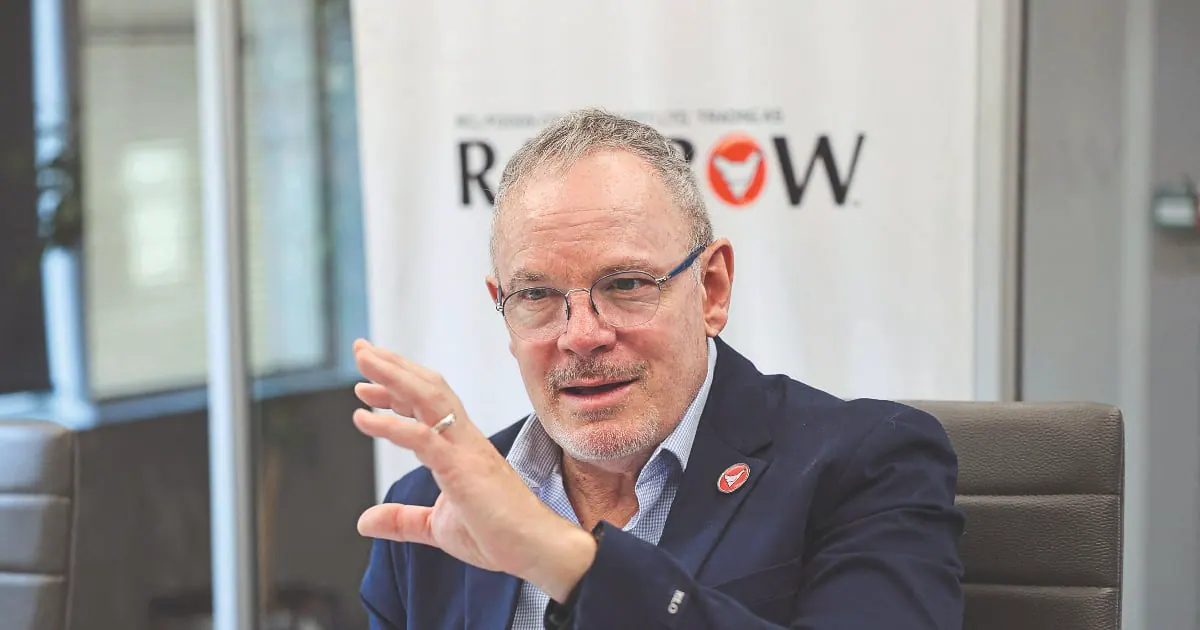
Rainbow Chicken, a leading supplier of chicken to major fast-food chains and retailers in South Africa, believes that exports are crucial for the industry's future growth. The company's chair, Pieter Louw, has emphasized the need for government support to overcome veterinary and regulatory barriers and unlock new markets. In his annual letter to shareholders, Louw highlighted the importance of creating an enabling environment for the industry to penetrate the lucrative export market.
The poultry industry in South Africa faces significant challenges, including trade policy uncertainty, import controls, and anti-dumping duties. The country's participation in the African Growth & Opportunity Act (Agoa) has come under scrutiny due to deteriorating relations between Pretoria and Washington. Although Agoa has been extended to December 31, 2028, its long-term future remains uncertain. Rainbow Chicken's Louw stressed that a fair, predictable, and consistently applied trade policy is essential to protecting local production capacity, employment, and food security.
South Africa is a major net importer of chicken, ranking among the top 10 importers of Brazilian poultry. The country's poultry sector is highly concentrated, with Rainbow Chicken and three other major producers controlling nearly 63% of domestic production. The Competition Commission has raised concerns about the high concentration and structural barriers across the poultry and egg value chains, which create barriers to entry for independent, small-scale, and historically disadvantaged farmers.
Rainbow Chicken's CEO, Marthinus Stander, has highlighted the importance of exports for the industry's growth, particularly in Africa. The company has invested in quality assurance systems and customer-centered capabilities to meet the standards required in international markets. Stander emphasized that the poultry industry is a national asset, supporting food security, creating employment, and sustaining small towns and rural economies.
The industry has made significant progress in improving global competitiveness, which benefits small-scale producers. Rainbow Chicken supports small-scale farmers and broader participation in the poultry value chain through integrated initiatives that improve access to affordable, high-quality chicks, feed, and technical expertise. The company's efforts align with its belief that a sustainable poultry sector must be inclusive, competitive, and capable of supporting both national food security and economic development.
One of the major complaints raised by agricultural bodies is the billions lost due to state-level administrative delays. Failure to streamline veterinary certification, delayed export approvals, and rigorous sanitary protocols keep South African meat products locked out of prospective markets. The industry requires government support to overcome these challenges and unlock new markets.
Rainbow Chicken's call for government support to drive exports and growth has been echoed by industry stakeholders. The company's efforts to improve food security, create employment, and sustain small towns and rural economies are seen as crucial to the country's economic development. With the right support, the poultry industry can play a significant role in driving economic growth and improving the lives of South Africans.
Key points
- Rainbow Chicken urges government support to access foreign markets and drive long-term growth in the poultry industry.
- The poultry industry faces significant challenges, including trade policy uncertainty and high concentration.
- Exports are crucial for the industry's growth, particularly in Africa.