The Nigerian Railway Corporation (NRC) has urged for a stronger integration of rail, road, and maritime transportation to reduce logistics costs, boost trade, and unlock Nigeria's economic potential. According to Dr. Kayode Opeifa, the managing director/chief executive officer of NRC, an efficient, integrated transport system is critical to reducing the cost of doing business, connecting producers to markets, and strengthening the country's economic competitiveness.
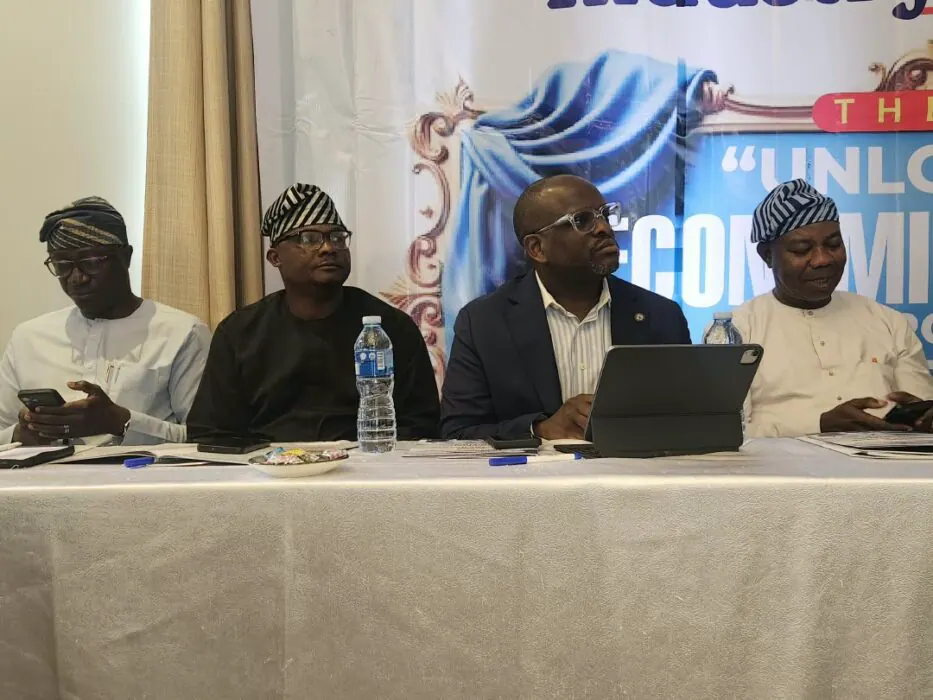
Opeifa, who spoke through his Special Adviser, Media, Yinka Aderibigbe, at the Transport Correspondents Association of Nigeria (TCAN) conference, emphasized that Nigeria must build a transportation network where rail, road, maritime, inland waterways, and aviation complement one another rather than operate in isolation. He stressed that transportation was not merely about moving people and goods but a major driver of productivity, trade, industrial development, employment, and national competitiveness.
The NRC managing director highlighted the importance of rail transportation in the integration process, given its capacity to move large volumes of passengers and bulk freight over long distances. He noted that rail could significantly reduce pressure on highways, lower logistics costs, and facilitate the movement of agricultural produce, petroleum products, containers, and other commodities across the country.
Opeifa said the corporation's focus extended beyond passenger transportation to strengthening freight operations and improving connectivity between rail lines, seaports, inland dry ports, industrial centers, and major economic corridors. He noted that improved rail connectivity with other transport modes would enhance cargo movement, support businesses, and contribute to broader economic growth.
On funding, Opeifa said stronger public-private partnerships were necessary to bridge the infrastructure and investment gaps in the transportation sector. He emphasized that government alone cannot provide all the infrastructure and investment required, and Nigeria must create more opportunities for private-sector participation and encourage investments in rolling stock, freight terminals, logistics hubs, and related infrastructure.
Opeifa also called for a regulatory environment that supports efficiency and innovation across the sector. He emphasized the need to protect railway infrastructure, warning that tracks, bridges, signalling systems, and other critical assets were national investments that must be safeguarded against vandalism and encroachment. He said protecting the infrastructure required the collective responsibility of government, security agencies, host communities, and the travelling public.
The NRC chief executive further stressed that transportation services must remain affordable and accessible, noting that improved mobility provides access to jobs, markets, education, and other opportunities. He concluded that investment in transportation is crucial for unlocking Nigeria's economic growth and development.
Key points
- Integration of rail, road, and maritime transportation can reduce logistics costs and boost trade in Nigeria.
- Improved rail connectivity with other transport modes can enhance cargo movement and support businesses.
- Stronger public-private partnerships are necessary to bridge the infrastructure and investment gaps in the transportation sector.