The Gauteng human settlements department has faced criticism for paying consulting firm Lesedi Technical Engineering R430m for a proposed mega housing project on dolomitic land without the City of Johannesburg's approval. The project, conceptualized 10 years ago, aimed to supply 60,000 housing units but has yet to get off the ground. The department appeared before the parliamentary portfolio committee on human settlements to explain the delays.
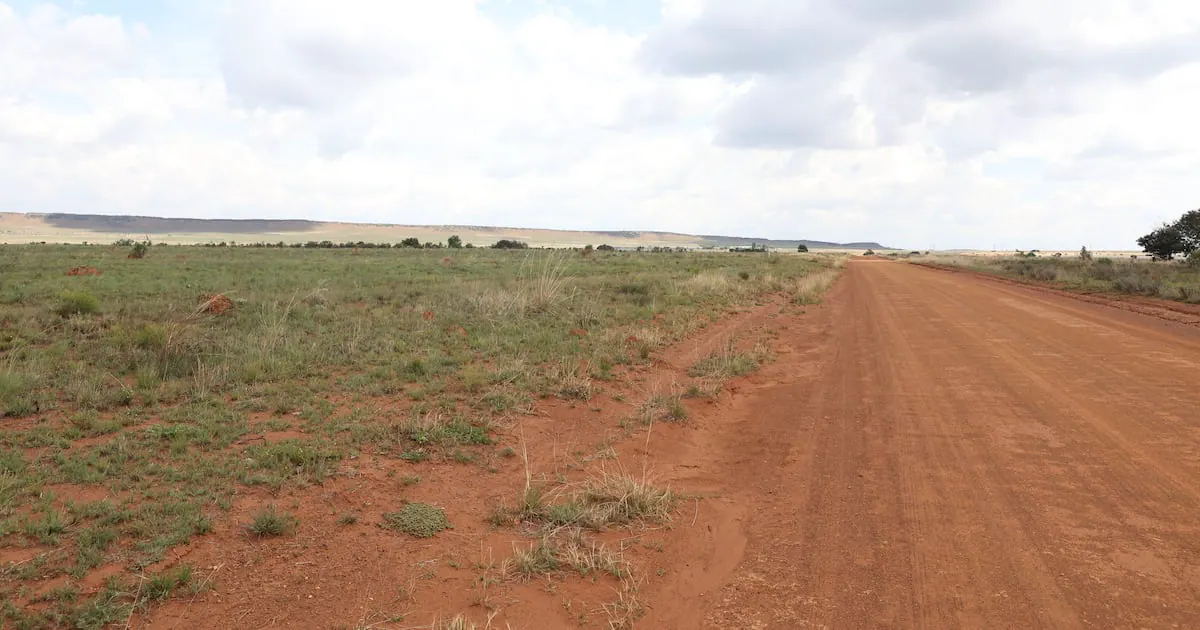
The Syferfontein housing project was planned to bring tens of thousands of homes to an area encompassing parts of the West Rand, Vaal, and south of Johannesburg. However, the land earmarked for the development is dolomitic, a condition associated with sinkholes and ground instability. The department had to conduct extensive geotechnical and dolomitic stability investigations before concluding that it could accommodate housing.
Despite the investigations, the project still lacks township establishment and environmental approvals, as well as consent from the City of Johannesburg, which owns half the land. Committee members questioned how consultant fees were paid for a project that cannot proceed without those approvals. Department officials attributed the delays to the need for a power of attorney from both landowners before submitting an application for township establishment.
Rethabile Baloyi, the department's procurement manager, revealed that the City of Johannesburg did not support the proposed development. The city's environmentalists did not approve of 60,000 new houses within that area, citing concerns over pressure on bulk infrastructure in southern Johannesburg and the Vaal. The department had undertaken surveys, geotechnical investigations, and dolomitic stability investigations, which led them to believe that 60,000 units could be accommodated on the land.
According to Baloyi, the R430m payment covered planning, surveys, geotechnical investigations, dolomitic stability investigations, and the development of a township layout. About 2,561 hectares of the 3,500-hectare site were developable, with the remaining land earmarked for churches, a cemetery, commercial sites, and non-residential developments. However, the department needed a power of attorney from both landowners to submit an application for township establishment.
Gauteng human settlements MEC Tasneem Motara told the committee that the department was still in the project preparation phase and that funding arrangements had not yet been finalised. The exact funding and source were not yet concluded because they were still in the project preparation phase. Johannesburg, as a metro, does not qualify for the regional bulk infrastructure grant and instead receives the urban settlements development grant.
Committee members expressed concerns over the large amount paid to consultants without necessary approvals. Thulani Innocent Gamede MP stated that the department's project-readiness presentation was misleading, as it showed the environmental impact assessment and township layout as complete, while other slides acknowledged that the approvals had expired. The project remains stalled, with critical approvals either not obtained or having lapsed.
Key points
- The Gauteng human settlements department paid R430m to consultants for a housing project that lacks necessary approvals.
- The City of Johannesburg did not support the proposed development due to concerns over pressure on bulk infrastructure.
- The project remains stalled, with critical approvals either not obtained or having lapsed.