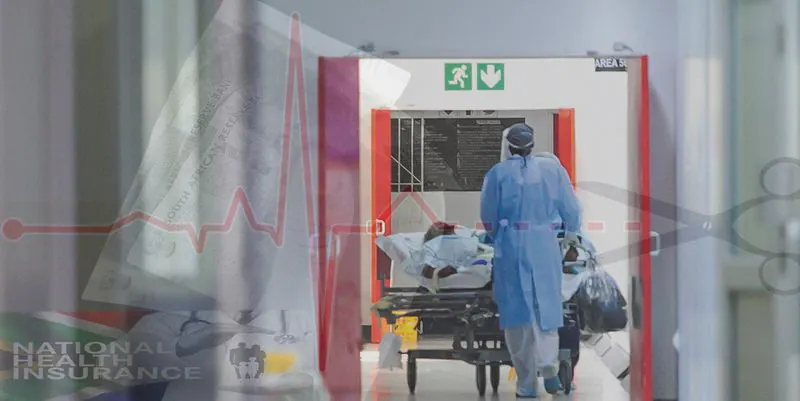
A recent exposé by News24 has revealed that the South African National Health Insurance (NHI) plan allocated R182 million to two small PR companies for a spin tender, sparking concerns about accountability and corruption risks. The NHI plan aims to create a single, centralised purchaser of healthcare in the country. The allocation of funds has been questioned, particularly given the underfunded state of the health system. The SA Medical Association (Sama) has requested that President Cyril Ramaphosa investigate the matter.
The NHI plan has faced criticism from various stakeholders, including medical associations and civil society groups. Eight organisations, including Sama, have challenged the law, citing concerns about its design and implementation. The plan seeks to create a state-led system, which critics argue may lead to corruption and inefficiency. The NHI's single purchaser model has raised concerns about the potential for medical care capture and corruption.
The R182 million allocation was made to two small PR companies, KMTV and Dots Design Company, which received R146 million and R39 million respectively. The contracts were uncapped, and the media products produced by the companies have been described as ideologically heavy, informationally poor, and mediocre. The NHI's planning and budgeting have been questioned, particularly given the lack of accountability checks.
The NHI's architect, Dr Nicholas Crisp, has been at the centre of the controversy. Crisp, who is set to retire, has been accused of failing to perform basic financial management. The Department of Health's spokesperson, Foster Mohale, has also been implicated in the scandal. The NHI's design has been criticised for vesting too much power in a single politician.
The impact of state capture and patronage systems on the poor has been highlighted as a major concern. The high cost of essential services, such as electricity and healthcare, disproportionately affects working-class and poor people. The NHI's implementation has been delayed, pending high-level negotiations to find a more inclusive solution to universal healthcare.
Civil society groups have proposed alternative solutions to universal healthcare. Gift of the Givers, a non-profit organisation, has been cited as an example of a successful public health initiative. The organisation has provided essential services, including healthcare and education, to communities in need. Its ethos of service and selflessness has engendered trust among communities.
The NHI's future implementation remains uncertain, with various stakeholders calling for a more inclusive and equitable solution to universal healthcare. Key concerns include the need for greater accountability, transparency, and community engagement. The R182 million PR spin tender has highlighted the need for greater scrutiny of NHI planning and budgeting.
Key points
- The NHI's single purchaser model has raised concerns about the potential for medical care capture and corruption.
- The R182 million allocation to two small PR companies has sparked concerns about accountability and corruption risks.
- Civil society groups have proposed alternative solutions to universal healthcare, including a more inclusive and equitable model.