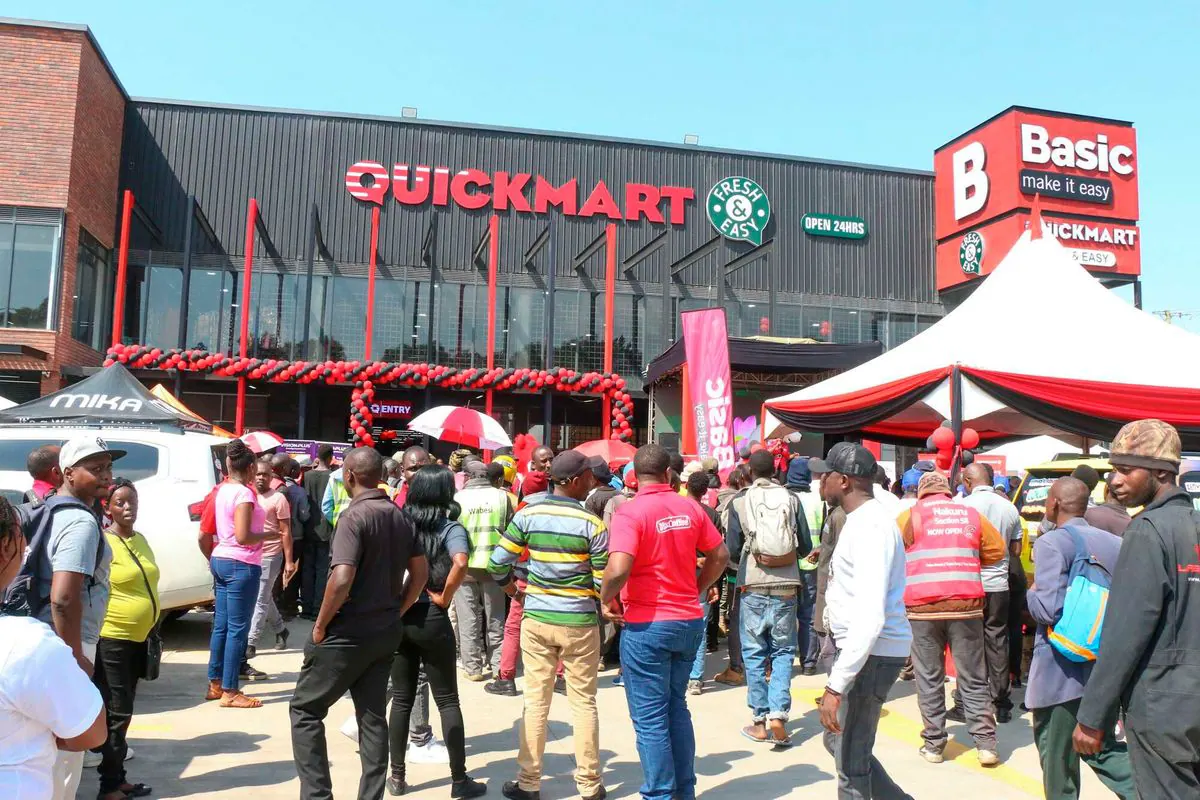
Quickmart, a leading supermarket chain in Kenya, has disclosed that it relies on favorable terms from suppliers to stock its stores, enabling the company to avoid bank financing for working capital. This strategy has contributed to the company's low borrowings of only Sh6.8 million as of June 30, 2026. With annual sales exceeding Sh50 billion, Quickmart has demonstrated its ability to manage working capital effectively.
The company's structurally negative working capital position, which stood at Sh4 billion as of June 30, 2026, reflects its rapid inventory turnover and favorable supplier payment terms. Quickmart operates an asset-light model, leasing stores instead of owning them, and uses a supplier-led direct-to-store distribution model. This approach, combined with efficient working capital management, supports the company's strong operating cash conversion.
As a result of its favorable supplier terms, Quickmart held a net cash position of nearly Sh700 million as of June 30, 2026, excluding lease liabilities. In contrast, other retailers, such as Nakumatt Holdings, Tusker Mattresses, and Uchumi Supermarkets, have relied heavily on multiple financiers, including banks and holders of commercial paper.
The favorable terms extended to Quickmart demonstrate the growing prominence of formal retailers in controlling consumers' wallets. Major supermarket chains, including Naivas, Carrefour, and Quickmart, sell goods worth over Sh200 billion annually, making access to their shelves a top priority for manufacturers and suppliers of fast-moving consumer goods.
Quickmart is the second-largest formal grocery retailer in Kenya, with an estimated 15 percent share of the modern grocery retail market and 72 stores across 16 counties. The company recorded an average of approximately 5 million customer transactions per month during the six months to June 30, 2026, and is supported by around 2.5 million Q-Points loyalty members.
Quickmart plans to continue its expansion, with a medium-term target of opening 10 to 15 new stores annually in Kenya. The company has identified a pipeline of prospective locations to support its expansion plans, which are expected to be funded primarily from internally generated cash flows.
The growth of formal retailers has not been without challenges, as suppliers have faced significant losses from the collapse of former retail giants, including Nakumatt, Tuskys, and Uchumi. These retailers owed suppliers substantial amounts, with Nakumatt owing Sh18.5 billion when it was placed under administration in 2018.
Key points
- Quickmart's reliance on supplier-funded growth strategy allows it to avoid bank financing for working capital.
- The company's favorable supplier terms reflect its rapid inventory turnover and efficient working capital management.
- Quickmart plans to expand its operations, targeting 10 to 15 new stores annually in Kenya.