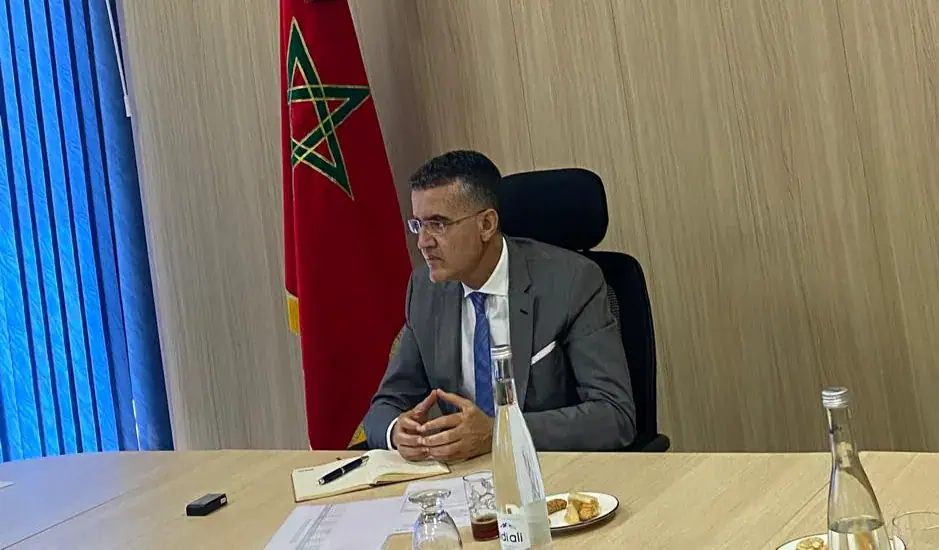
The state of public facilities in Morocco's Nador province has raised increasing concerns about the quality of services provided to citizens. The situation has sparked questions about the ability of relevant authorities to respond to residents' expectations and address shortcomings in vital sectors, including healthcare, education, and justice. These issues are of particular importance given their direct impact on citizens' fundamental rights.
The role of local authorities, led by Governor Jamal Al-Sharani, is under scrutiny regarding their oversight of public facilities and coordination between relevant departments. The authorities' ability to address these challenges is crucial within their legal competencies. However, evaluating this role requires accurate data and distinguishing between direct responsibilities of concerned sectors and coordination and monitoring tasks undertaken by local authorities.
The situation calls for a shift from managing complaints after problems arise to adopting a proactive approach based on regular monitoring, transparency, and accountability. Citizens expect services that preserve their dignity, protect their rights, and meet their daily needs, rather than administrative justifications. The emphasis should be on improving performance, enhancing trust in administration, and ensuring accountability.
To address these concerns, it is essential to open the door to objective evaluation and verification of reported shortcomings, and to hold parties accountable when any wrongdoing is proven. This approach aims to improve public facility performance and strengthen trust in administration. Professional accountability does not target individuals but measures performance, demands results, and prioritizes public interest.
The management of public services in Nador province has sparked debate about the effectiveness of current approaches and the need for improvement. The provincial authorities' ability to coordinate between different departments and address residents' concerns is crucial in resolving these challenges. The concerns raised highlight the need for a more proactive and responsive approach to public service management.
The situation in Nador province underscores the importance of strengthening administrative oversight, improving coordination between stakeholders, and seriously addressing citizens' complaints. By doing so, authorities can ensure that public services meet citizens' expectations and fundamental rights. The emphasis on accountability and transparency is critical in achieving this goal.
Ultimately, the goal is to improve public services, enhance trust in administration, and ensure that citizens' rights are protected and respected. By adopting a proactive and responsive approach, authorities can address the concerns raised and work towards providing high-quality public services that meet the needs of residents in Nador province.
Key points
- The management of public services in Morocco's Nador province has raised concerns about the quality of services provided to citizens.
- The role of local authorities, led by Governor Jamal Al-Sharani, is under scrutiny regarding their oversight of public facilities and coordination between relevant departments.
- The situation calls for a shift from managing complaints after problems arise to adopting a proactive approach based on regular monitoring, transparency, and accountability.