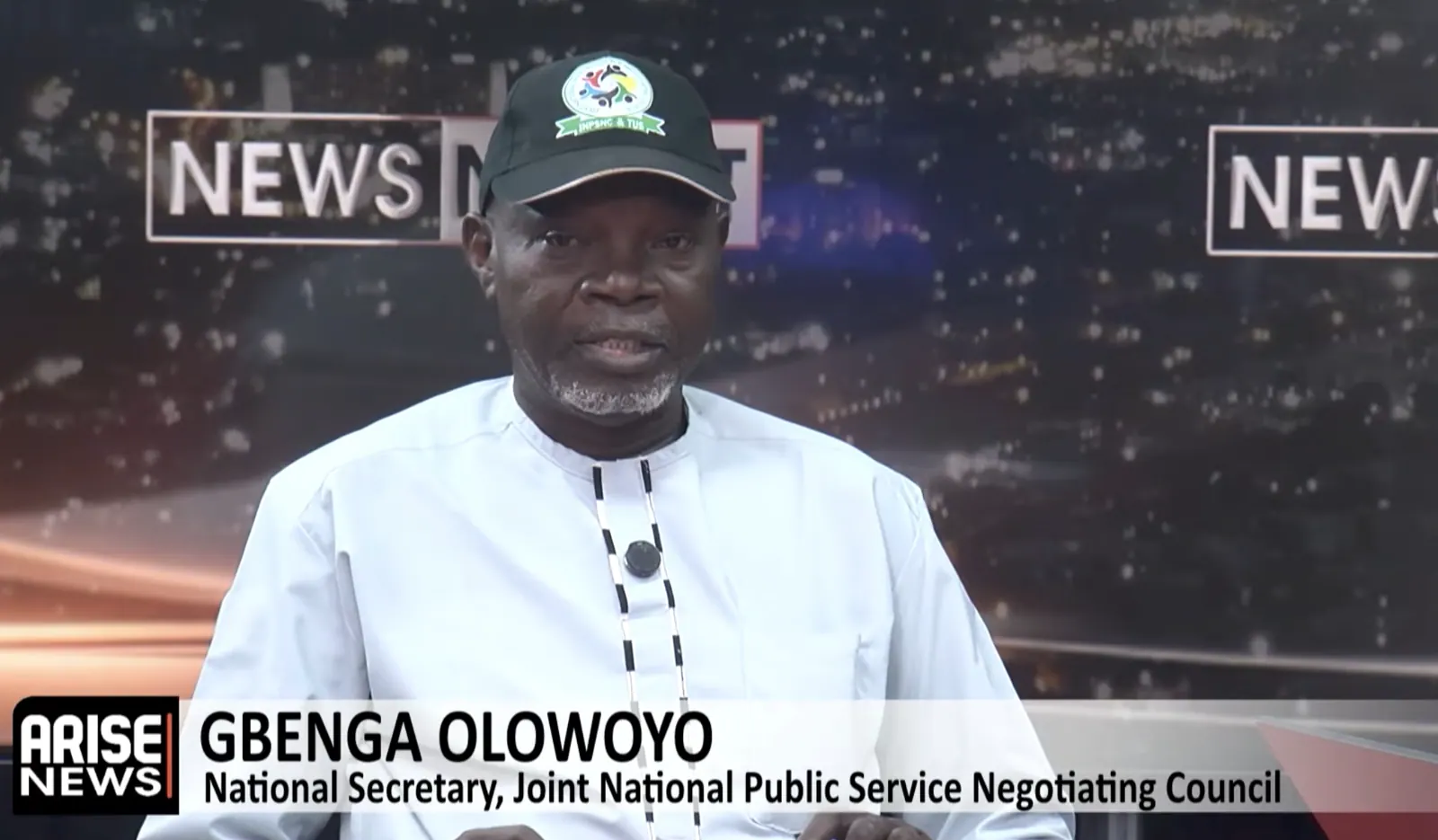
Public service workers in Nigeria have issued a two-week ultimatum to the Federal Government, threatening a total shutdown of government operations if their demands are not addressed. The Joint National Public Service Negotiating Council (JNPSNC) National Secretary, Gbenga Olowoyo, made this announcement after a three-day warning strike that ended on October 4. The warning strike was aimed at pressuring the government to respond to concerns over fuel prices, workers' welfare, and the proposed new minimum wage.
The three-day warning strike, which took place from October 2 to 4, was observed by about 65% of public sector unions across the country, according to Olowoyo. He stated that the strike achieved its immediate objective of creating awareness and provoking reactions from the government. The JNPSNC had submitted demands to President Bola Tinubu on September 21, including a reduction in petrol prices, improved salaries and allowances, and the constitution of a tripartite committee to begin negotiations on a new minimum wage.
Olowoyo expressed disappointment that President Tinubu's Independence Day address did not directly address the workers' demands, leading to the decision to prepare for a total strike. He mentioned that the council had received indications that the government might invite them for talks, but no official invitation had been received. The workers' demands include a drastic reduction in petrol prices, a review of salaries and allowances, and the immediate establishment of a tripartite committee to negotiate the next minimum wage.
The JNPSNC is proposing a petrol price of ₦200 per litre, citing the current cost of fuel as a major contributor to the financial pressure on workers. Olowoyo also called for government intervention to cushion the impact of fuel costs while negotiations on wages and the minimum wage take place. He emphasized that the proposed wage review should be determined through a tripartite process that considers inflation, living costs, and other economic variables.
Olowoyo criticized Nigeria's dependence on the dollar, stating that the use of foreign currency for crude transactions, imports, and production inputs continues to put pressure on the naira and increase the cost of goods and services. He argued that this has worsened the financial situation for workers and urged the government to take steps to address the issue.
The latest threat from public workers comes after the JNPSNC had earlier demanded that petrol prices be reduced to ₦500 per litre, alongside an immediate wage award and negotiations for a new minimum wage ahead of 2027. The council is pushing for a comprehensive review of the current minimum wage, taking into account the rising cost of living and economic realities.
If the government's response is not satisfactory within the next two weeks, public sector unions will embark on a total strike, affecting government operations nationwide. The strike would have significant implications for the country's economy and public services, with workers' welfare and the proposed minimum wage being key issues at the center of the negotiations.
Key points
- Public workers in Nigeria threaten a total strike if their demands are not addressed within two weeks.
- The workers' demands include a reduction in petrol prices, improved salaries and allowances, and the constitution of a tripartite committee to begin negotiations on a new minimum wage.
- The proposed petrol price reduction is to ₦200 per litre, with the council arguing that the current cost of fuel is worsening the financial pressure on workers.