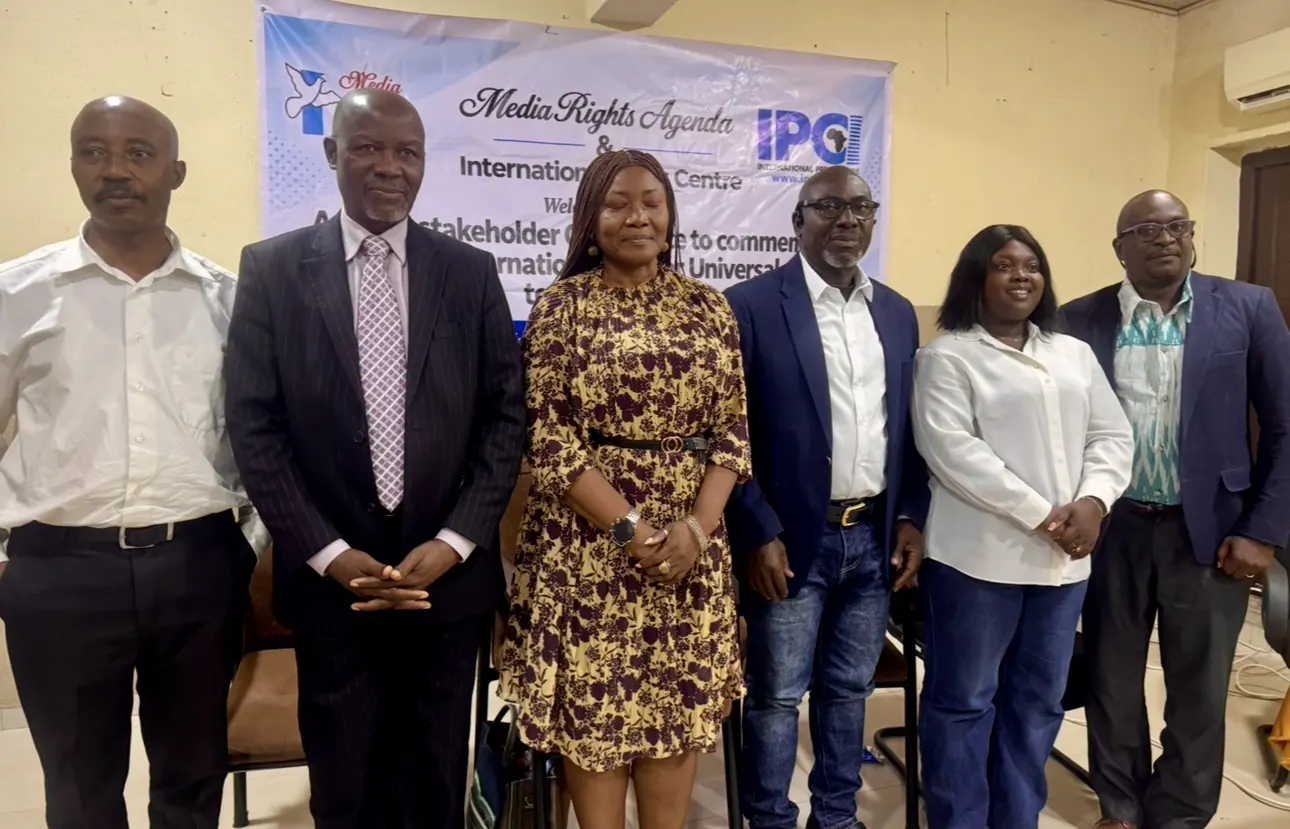
Stakeholders at a recent conference in Lagos marked the 2026 International Day for Universal Access to Information, highlighting concerns over poor compliance with Nigeria's Freedom of Information (FOI) Act. Despite being enacted 15 years ago, public institutions continue to shun the law, undermining citizens' and journalists' ability to verify information. The conference, organized by Media Rights Agenda and the International Press Centre, brought together journalists, media professionals, and civil society organizations to discuss the implementation of the FOI Act.
The stakeholders noted that government agencies often refuse or fail to respond to requests for information, delay releasing information, and inadequately disclose public records. This has made it challenging for citizens and journalists to access credible information, especially in the age of disinformation. According to Lanre Arogundade, Executive Director of the International Press Centre, public institutions have a responsibility to provide reliable information and respond to legitimate requests.
Participants observed that compliance with the FOI Act remains poor across different levels of government. They identified refusal to respond to requests, denial of requests without legitimate reasons, and failure to proactively publish information as significant challenges. Inadequate knowledge of the law among public officials and the public was also cited as a contributing factor. A culture of secrecy in some public institutions discourages officials from disclosing information.
Delays in responding to FOI requests are particularly damaging when information is required for investigative journalism, public-interest reporting, or civic monitoring. The lack of timely and reliable official information has made it difficult for citizens, journalists, and stakeholders to distinguish accurate information from misinformation and disinformation. The increasing volume of information circulated through digital platforms has made access to authoritative and verifiable information from public institutions more crucial.
The conference also highlighted the gender dimensions of access to information, noting that women and marginalized groups face additional barriers in accessing public information. The absence of effective sanctions for non-compliance with the FOI Act has contributed to weak enforcement. Participants reaffirmed access to information as a fundamental right essential to transparency, accountability, and democratic governance.
The stakeholders resolved to make greater use of the FOI Act in investigative journalism, civic monitoring, and advocacy. They agreed to increase public awareness of the right to information and provide guidance on making effective requests under the Act. The conference called on governments to demonstrate a stronger commitment to implementing the FOI Act and ensure public institutions comply with their obligations.
The stakeholders urged public institutions to establish dedicated FOI desks staffed by trained personnel and proactively publish information as required by law. They also called on the media and civil society organizations to intensify public enlightenment, monitoring, and advocacy around the implementation of the Act. The Attorney-General of the Federation was urged to exercise oversight responsibilities more rigorously and issue directives against officials and institutions that violate the law.
Key points
- Public institutions in Nigeria continue to shun the Freedom of Information Act 15 years after its enactment.
- Stakeholders call for stronger commitment to implementing the FOI Act and ensuring public institutions comply with their obligations.
- The absence of effective sanctions for non-compliance with the FOI Act has contributed to weak enforcement.