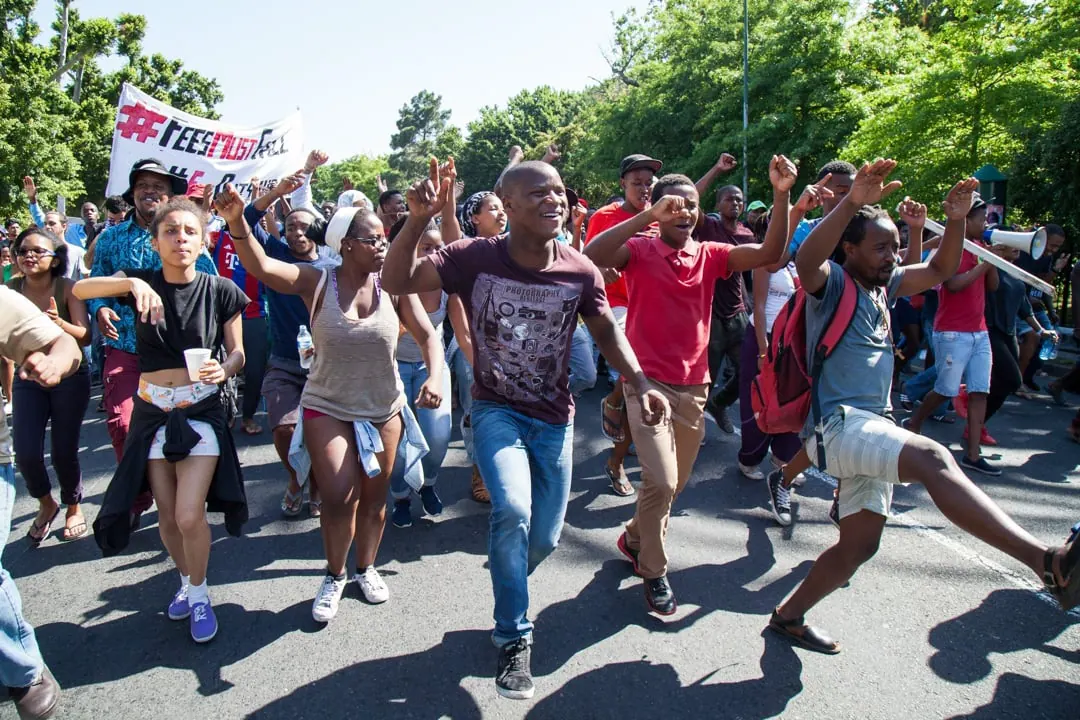
A recent protest at the North West University has sparked debate about the impact of student protests on academic activities. The #FeesMustFall movement in 2015 is still remembered for the disruptions it caused. While students have the right to express their grievances, it is essential to find ways to do so without affecting the academic calendar. Universities are critical institutions that must remain functional.
The debate about protests and their impact on universities has gained momentum in recent years. Various stakeholders, including students, lecturers, and university administrators, have expressed their views on the matter. Some argue that protests are a necessary evil to bring attention to pressing issues, while others believe that they disrupt the academic process and affect students' education.
In South Africa, universities have experienced several protests in recent years, often related to issues such as tuition fees, funding, and infrastructure. While some protests have been peaceful, others have turned violent, resulting in damage to property and disruptions to academic activities. The government, university administrators, and students must work together to find solutions to these problems.
The South African government has implemented several measures to address the concerns of students and improve the quality of education. For example, the government has increased funding for universities and implemented policies to make higher education more accessible. However, more needs to be done to address the root causes of protests and ensure that universities remain functional.
University administrators have a critical role to play in managing protests and ensuring that academic activities continue uninterrupted. They must engage with students, listen to their concerns, and work with them to find solutions. At the same time, administrators must ensure that protests do not disrupt the academic process and that students' rights are protected.
Students have the right to express their grievances and protest, but they must do so in a responsible and peaceful manner. Protests should not be used as a means to disrupt academic activities or intimidate others. Students must work with university administrators and other stakeholders to find solutions to pressing issues and ensure that universities remain functional.
Finding a balance between the right to protest and the need to maintain academic activities is a complex challenge. It requires a nuanced approach that takes into account the concerns of all stakeholders. By working together, it is possible to find solutions that address the needs of students and ensure that universities remain functional and effective.
Key points
- Protests at universities should not disrupt academic activities.