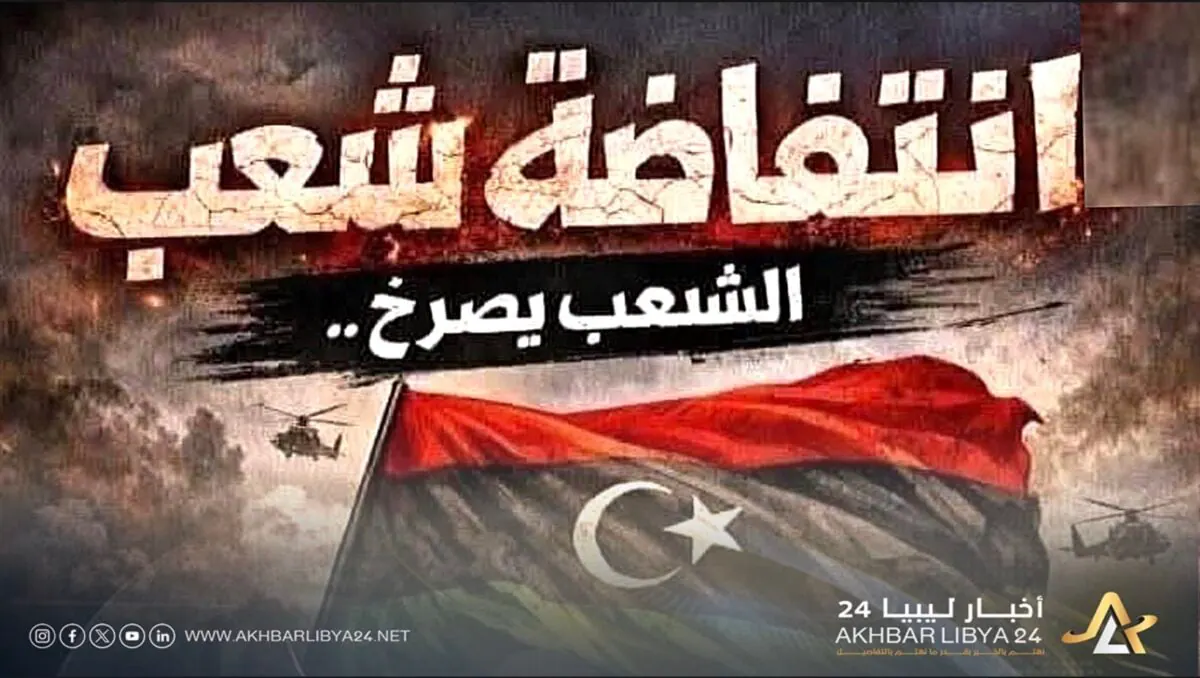
Protests have erupted in western Libya, driven by electricity and gas shortages, poor services, and economic hardships. The unrest has spread to major cities, including Tripoli, and has led to the closure of public roads and facilities. Protesters have also targeted the Mellita industrial complex, a key oil and gas facility, causing concerns about the impact on power generation and national stability.
Analysts say the protests are not just about service delivery but also about the performance of state institutions, government accountability, and the management of public resources. Dr. Khalid Muhammad al-Hajazi, a political analyst, notes that Libyans are facing daily struggles with electricity outages, fuel shortages, and food insecurity, amidst claims of massive spending on the electricity sector.
The protests have also raised concerns about public health and food safety. Al-Hajazi points to reports of hazardous materials being used in agriculture, which he links to rising cancer rates in Libya. While official sources acknowledge the risks of pesticide residues and food pollutants, they emphasize that cancer is a multifaceted disease with various causes.
The Mellita industrial complex has become a focal point in the protests, with demonstrators storming the facility and halting gas supplies. The government has responded by securing the complex and gradually restoring gas flows. Al-Hajazi argues that the government's handling of the crisis reflects a prioritization of external relationships over domestic concerns.
The protests have also been linked to international conflicts, with al-Hajazi suggesting that Libya has become a proxy battleground for global powers. He alleges that foreign actors, including Ukraine and Russia, are involved in the country's affairs, posing a threat to Libyan sovereignty and national security.
The International Criminal Court (ICC) has also been drawn into the debate, with al-Hajazi questioning Libya's engagement with the court and advocating for greater reliance on national judicial institutions. Libya is not a party to the Rome Statute but has accepted ICC jurisdiction over crimes committed on its territory since 2011.
The protests and subsequent debates highlight the complexities of Libya's transition and the challenges of rebuilding state institutions, addressing economic grievances, and navigating international relationships. Al-Hajazi calls for national reconciliation, unification of government and security institutions, and greater awareness of external influences to find a sustainable solution to the country's crises.
Key points
- The protests in western Libya are driven by a combination of factors, including electricity and gas shortages, poor services, and economic hardships.
- The unrest has exposed deep-seated trust issues and revived debates on national sovereignty and the role of international actors in Libya.
- Analysts and stakeholders are calling for national reconciliation, institutional reform, and greater accountability to address the country's challenges.