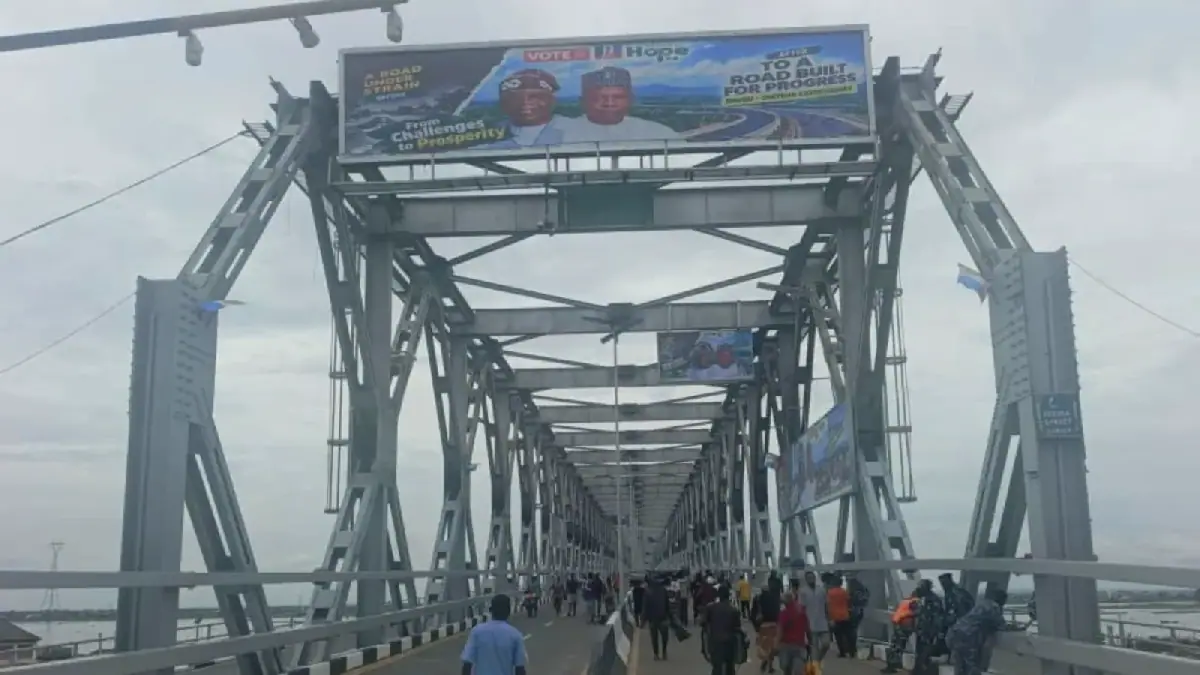
The First Niger Bridge, connecting Asaba, Delta State, and Onitsha, Anambra State, has reopened after extensive rehabilitation, bringing relief to commuters and businesses. The bridge's renovation included the installation of solar-powered streetlights, Closed-Circuit Television (CCTV) cameras, median barriers, and designated turnaround points to improve traffic management and safety. This development is expected to enhance socio-economic activity in the region.
The long-term preservation of the First Niger Bridge requires more than just rehabilitation and technological interventions. Effective maintenance and strict enforcement of regulations by the government are crucial, as is the support of citizens in protecting the infrastructure. Public infrastructure, including roads, bridges, and drainage systems, is financed with taxpayers' money to serve the collective interest, and its destruction or deterioration imposes costs on society.
Vandalism, theft, and misuse continue to undermine public investments across Nigeria. The theft of electrical cables, destruction of road signs, and indiscriminate dumping of refuse in drainage channels reflect a troubling disregard for shared assets. The reported removal of bolts from the bridge's steel components, cited by the Minister of Works, David Umahi, for the rehabilitation work, illustrates the potential consequences of vandalism.
Bridges depend on the integrity of their structural components, regular engineering assessments, and proper maintenance. Interference with these elements can compromise safety and expose thousands of motorists to danger. The minister's concerns about indiscriminate sand dredging around the bridge also highlight the need to regulate activities that could threaten its foundations.
To protect public infrastructure, the government must promote community ownership and encourage residents, traditional institutions, transport unions, and businesses to participate in protection efforts. Surveillance equipment must be operational, monitored, and linked to effective response mechanisms. Public officials responsible for protecting these assets must be held accountable for any negligence or failure to discharge their duties.
The introduction of CCTV cameras and solar streetlights is a step in the right direction, but technology alone cannot guarantee security. Communities around the First Niger Bridge can support security agencies by reporting theft of its components, illegal dredging, and damage to safety installations. Public education through community meetings, schools, and local media can help citizens understand the economic and safety implications of vandalism.
Those caught stealing, damaging, or deliberately interfering with public infrastructure should face appropriate legal consequences. Investigations must be thorough, and prosecutions should follow where evidence supports the perpetration of the crime. The government should adopt long-term asset management plans that provide for routine inspections, timely repairs, and dedicated maintenance budgets to move from reactive repairs to preventive maintenance.
Key points
- Effective maintenance and regulation enforcement are crucial for the long-term preservation of the First Niger Bridge.
- Community participation and public education are essential in protecting public infrastructure.
- Long-term asset management plans and preventive maintenance can help reduce the costly cycle of construction and rehabilitation.