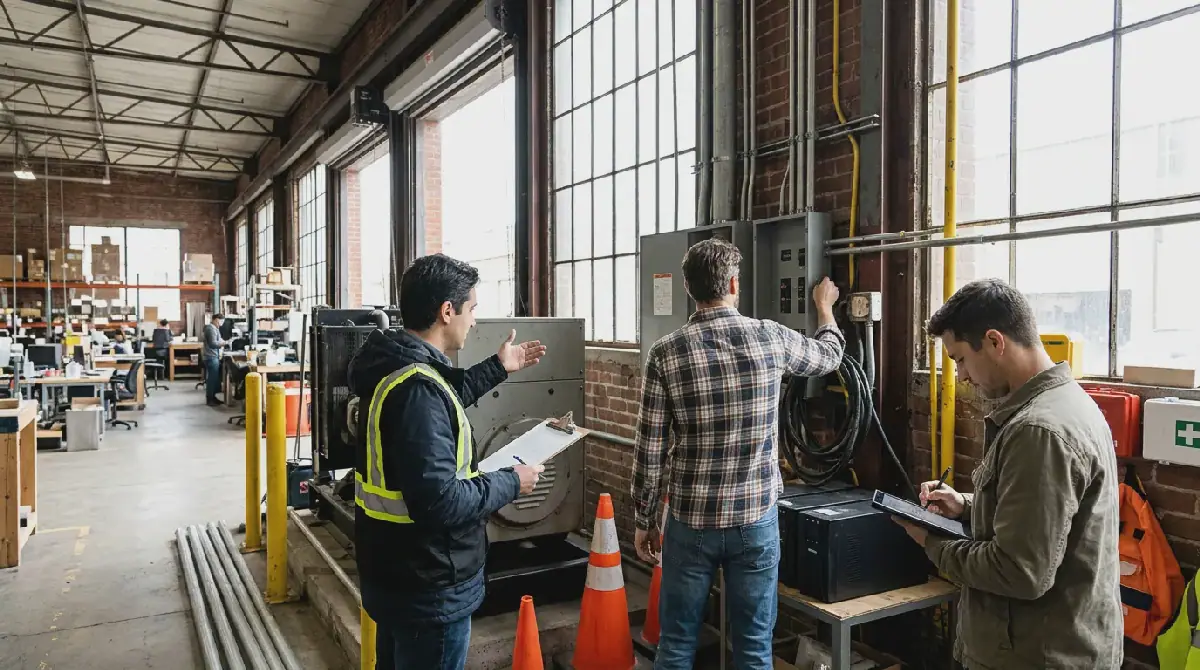
Managing an expanding enterprise requires vigilance across both digital operations and physical locations. While modern executives prioritize safeguarding sensitive customer files and proprietary databases, commercial premises demand equal diligence. Unsecured warehouses, retail floors, and corporate office suites create substantial operational vulnerabilities if inventory goes missing, production equipment suffers damage, or unauthorized individuals gain entry to private administrative zones. A robust asset protection strategy does not rely on mechanical locks and keys alone.
A robust asset protection strategy combines intentional architectural planning, dependable physical monitoring devices, integrated software platforms, and consistent employee habits. When these distinct elements operate together, business owners can protect high-value physical capital while maintaining a productive and welcoming environment for staff, clients, and partners. Establishing reliable site security also protects business continuity. Disrupted supply chains, damaged tools, and missing merchandise delay delivery commitments and erode customer trust.
Evaluating facility vulnerabilities and entry points is crucial to designing sensible access controls. Every commercial building possesses a unique operational rhythm and layout that dictates its security requirements. A distribution center experiences constant vehicle traffic and dock activity, while an administrative headquarters primarily handles employee arrivals, scheduled visitors, and postal deliveries. Conducting an objective physical review of the property allows leadership to identify high-risk areas.
The evaluation begins by mapping every exterior portal, including loading docks, staff entrances, customer foyers, and emergency exit doors. Doors should close securely on their own, and access credentials must be managed systematically. When electronic keycards, physical keys, or digital access codes are distributed, management should maintain detailed records showing who holds access to sensitive locations.
Internal zones require similar scrutiny, with high-traffic hallways, cash handling desks, and staging areas for valuable merchandise benefiting from clear visual oversight. Installing monitoring equipment helps prevent internal shrinkage, provides clarity during operational disputes, and deters unauthorized access after standard business hours. Selecting appropriate monitoring hardware requires careful consideration of viewing angles, lighting conditions, and mounting requirements.
Collecting visual feeds and doorway logs provides minimal utility if that data remains trapped on isolated recording devices. In modern commercial facilities, physical security hardware must communicate cleanly with broader enterprise software environments. Custom software engineering ensures that physical security devices, access logs, and core business tools operate as a unified, coordinated ecosystem.
Aligning facility security with broader business workflows and establishing practical procedures for daily operations are essential to effective security management. By harmonizing disparate areas, executives eliminate information silos and gain comprehensive insight into everyday business activities. Hardware installations and customized software integrations provide the technical backbone for security, but day-to-day employee behavior ultimately determines system effectiveness.
Key points
- A robust asset protection strategy combines intentional architectural planning, dependable physical monitoring devices, integrated software platforms, and consistent employee habits.
- Evaluating facility vulnerabilities and entry points is crucial to designing sensible access controls.
- Physical security hardware must communicate cleanly with broader enterprise software environments.