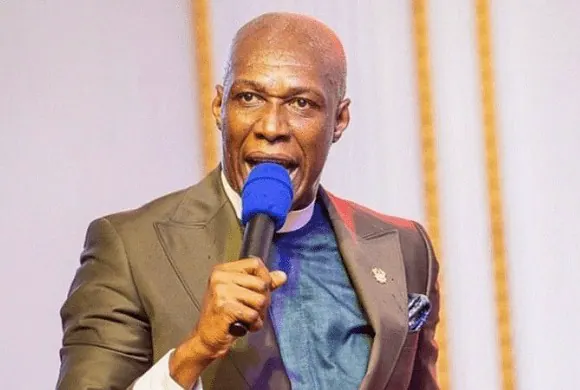
Prophet Kofi Oduro, a controversial Ghanaian cleric, has sparked fresh debate about the deaths of young pastors in the country. In a social media post on October 2, 2026, Prophet Oduro stated that God had no hand in the passings of young pastors, branding them "foolish deaths." His comments come amid the funeral saga surrounding Prophet Prince Elisha Kofi Osei, a young pastor whose death and burial have drawn widespread public attention.
Prophet Oduro did not name anyone directly, but his comments were widely linked to Prophet Prince Elisha Kofi Osei's funeral. He expressed concern about the age bracket of clergy dying, specifically mentioning pastors between 39 and 45 years old. Prophet Oduro described their deaths as "stupid ones" and criticized senior pastors who attended the funeral, suggesting their presence signaled a lack of seriousness about the circumstances of the death.
Prophet Oduro's remarks have touched a nerve for many Ghanaians, who hold clergy in high esteem in religious and social life. Public disputes over how pastors die and how their funerals are conducted shape congregants' interpretations of faith, mortality, and church leadership. When a prominent cleric rejects the common explanation that a death was "God's calling," it can unsettle grieving congregations and fuel wider debate about accountability within Ghana's clergy.
This is not the first time questions have swirled around clergy funerals and rituals in Ghana. Previously, Archbishop Salifu Amoako responded angrily to accusations of occultism over a funeral ring, thrusting the conduct and symbolism around pastoral deaths and burials into public scrutiny. Prophet Oduro's comments have sparked a similar conversation, with netizens reacting widely to his post.
Prophet Oduro's statement that "God didn't call anyone" in such cases has been met with interest. He emphasized that "foolish deaths have now entered the church, and even young pastors are dying, yet they will say God has called." His words have sparked debate about the role of clergy and the circumstances surrounding their deaths.
The controversy has raised questions about accountability within Ghana's clergy. Prophet Oduro's criticism of senior pastors attending the funeral has sparked discussion about the seriousness with which clergy approach death and burial rituals. The debate is likely to continue, with many Ghanaians invested in the conversation about faith, mortality, and church leadership.
No response has been reported from Prophet Prince Elisha Kofi Osei's family, church, or the senior pastors referenced in Prophet Oduro's comments. It remains unclear whether any formal reaction will follow from the clergy named indirectly in the controversy. The issue has sparked a wider conversation about the role of clergy in Ghanaian society and the need for accountability within the church.
Key points
- Prophet Oduro's comments have sparked debate about the role of clergy and the circumstances surrounding their deaths in Ghana.
- The controversy has raised questions about accountability within Ghana's clergy and the seriousness with which they approach death and burial rituals.
- Prophet Oduro's statement that "God didn't call anyone" in such cases has been met with interest and has sparked discussion about the role of clergy in Ghanaian society.