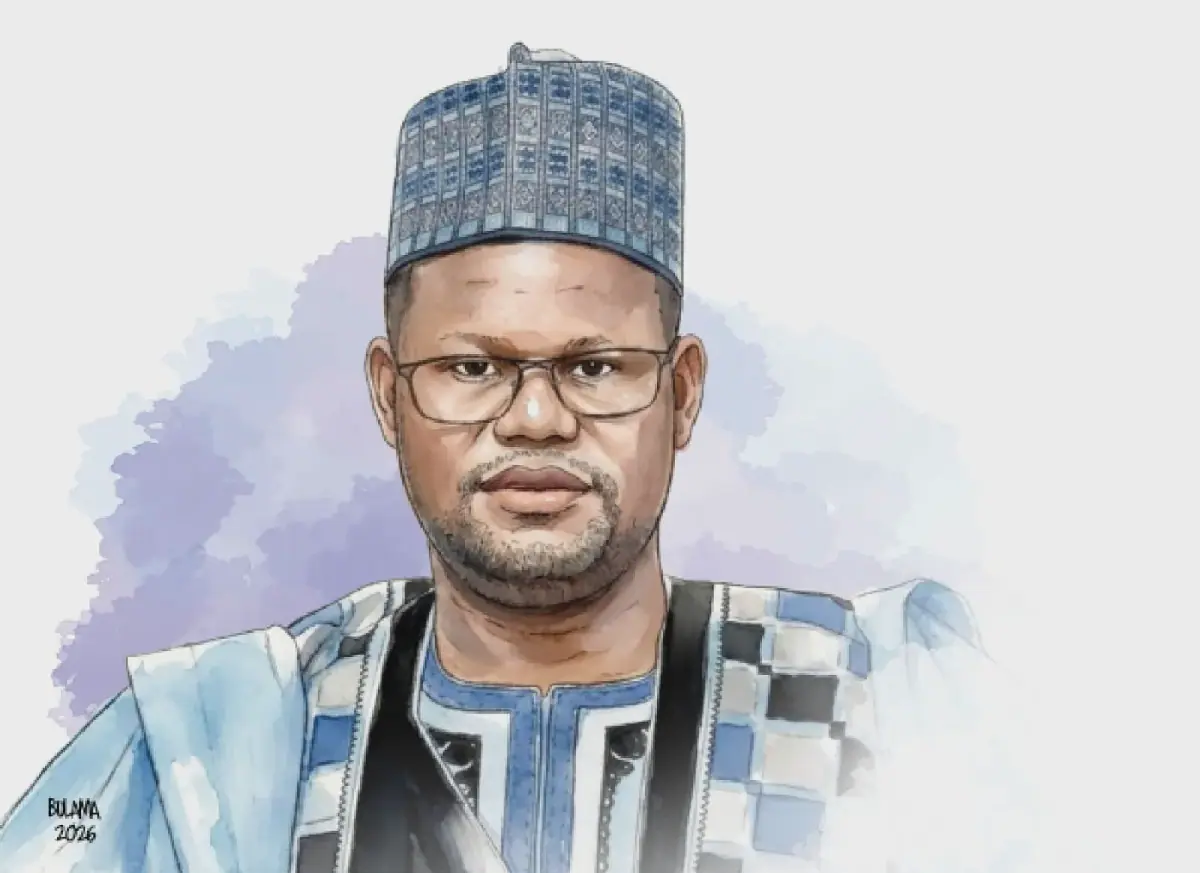
Sheikh Yahaya Ibrahim Masussuka, a prominent cleric based in Katsina, was murdered on Monday evening outside his home in Dutsin-Ma. The extremist group Ansaru claimed responsibility for the attack, which also claimed the life of his associate, Adamu Abubakar. Masussuka was known for his Quran-centric teachings and his rejection of Hadith, the sayings and traditions of Prophet Muhammad. This stance made him a polarising figure—respected by many followers for promoting peace and tolerance, but criticised by others who deemed his interpretations controversial.
Masussuka's teachings often placed him at odds with established scholars and other Islamic groups, leading to disagreements over the authority of Hadith. Social media played a crucial role in Masussuka’s rise, as he emerged as a vocal figure among the Qur’aniyun Islamic sect. His views had gained significant attention, and he was recognised as a proponent of interfaith harmony by local officials, including Katsina State Governor Dikko Umaru Radda.
The Katsina State Government had called on Masussuka to defend his views before a committee of scholars, although this meeting never occurred. Amid the growing scrutiny, Masussuka's family and followers have expressed their grief and disbelief, underscoring the spiritual leader’s significant influence. Thousands attended his funeral at the Katsina Central Mosque, reflecting the wide-reaching impact he had on his community and beyond.
In responses following his death, Amnesty International urged the Nigerian government to investigate the killing and bring those responsible to justice. Concerns have been raised about the safety of clerics in northern Nigeria, as Masussuka’s murder mirrors previous attacks on influential Islamic figures. The incident has sparked debate regarding his life and teachings, with many calling for ongoing dialogue and cooperation among different religious communities.
Speaking about the day of his death, Masussuka’s wife, Hajiya Fatima, described how he had spoken to her about the oneness of Allah before departing for his evening prayer, after which she heard gunfire. Local officials and leaders have condemned the killing, recognising Masussuka's efforts to promote peace and tolerance. His legacy continues to resonate, despite his assassination occurring just days before a planned peace gathering aimed at fostering religious tolerance.
Masussuka's deputies and associates have called on authorities to apprehend his killers, highlighting the need for ongoing dialogue and cooperation among different religious communities to honour his vision of peace and coexistence. Funeral attendees from various regions expressed their grief, underscoring the spiritual leader’s significant influence. The incident has raised concerns about the security of religious leaders and the need for increased protection.
The impact of Masussuka's death is being felt across his community and beyond, with many calling for calm and restraint. His murder serves as a reminder of the challenges faced by clerics and religious leaders in promoting peace and tolerance. As the investigation into his killing continues, many are hopeful that those responsible will be brought to justice, and that his legacy will continue to inspire efforts towards peace and coexistence.
Key points
- The extremist group Ansaru claimed responsibility for the attack.
- Masussuka was known for his Quran-centric teachings and rejection of Hadith.
- Amnesty International has urged the Nigerian government to investigate the killing.