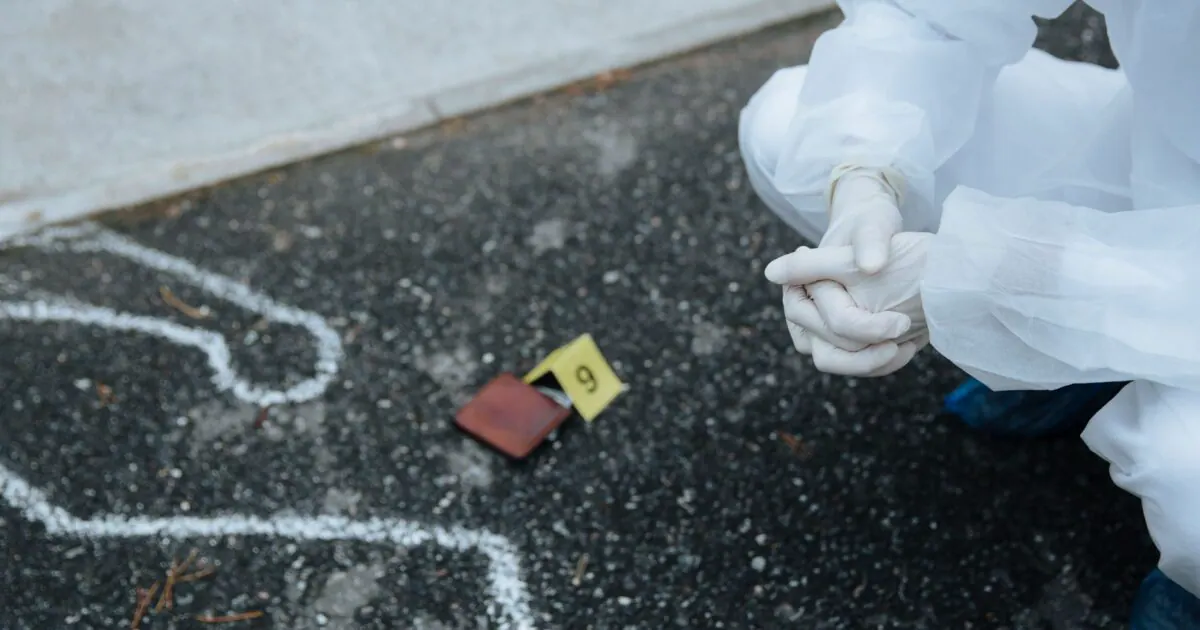
A recent survey by Statistics South Africa has revealed that over half of the housebreakings in the country during the 2025/26 period were not reported to the police. The Governance, Public Safety and Justice Survey found that 1.08 million households experienced housebreaking, representing 5.3% of households nationally. However, only 48.2% of those affected reported some or all housebreaking incidents to the police. This lack of reporting can affect how the extent of crime is understood and how policing resources are allocated.
The survey's findings have significant implications for the Jewish community in South Africa, which relies heavily on private security. According to Liron Sanders, chief executive of the Community Security Organisation, community members are often hesitant to open cases with the South African Police Service. However, Sanders emphasized the importance of reporting crimes to the police, as it assists with resourcing at a station department level. The CSO is working closely with the SAPS and has a strong relationship with relevant police stations.
The survey also highlights the issue of under-reporting of crimes, particularly for less serious incidents. Data from the Community Action Programme shows that in 2026, a SAPS case was opened in 58% of contact crimes reported to CAP. However, the figure was considerably lower for soft crimes, with only 24% of incidents reported to the SAPS. Sean Jammy, deputy chief executive of CAP, urged victims to report every crime, regardless of its seriousness, as a police case is important even when CAP has already responded to an incident.
The reasons for not reporting crimes to the police vary, with 24.4% of household heads stating that they did not think it was worthwhile reporting, while 21.8% believed that the police could do nothing or that there was insufficient proof. The survey also found that reporting rates varied considerably according to the seriousness of the crime, with more serious crimes such as hijacking and sexual offences having higher reporting rates. Murder had the highest reporting rate among household crimes, with 94% of incidents reported.
The survey's findings reinforce concerns about a lack of public confidence in policing. However, the survey also shows that South Africans are increasingly taking measures to protect themselves against crime. The proportion of people aged 16 and older who had done something to protect themselves increased from 43.3% in 2024/25 to 46.6% in 2025/26. The most common measures included changing when people walked outside and installing physical security measures at home.
Despite the concerns around reporting, some rates improved during 2025/26. Housebreaking reporting increased from 43.4% in 2024/25 to 48.2%, while street robbery reporting rose from 36.4% to 41.7%. The survey also found that household crime generally decreased, with seven of the eight household crime categories measured showing declines during the 12 months covered by the survey.
The survey's findings present a complex picture of public safety in South Africa, with continued reliance on the police alongside concerns about whether reporting crime to them will result in action. The Governance, Public Safety and Justice Survey complements SAPS statistics, providing a more comprehensive understanding of crime in the country. The survey was conducted between April 2025 and March 2026 and covered private households across all nine provinces.
Key points
- Over half of housebreakings in South Africa go unreported, with many victims believing that the police will not take action.
- The survey's findings highlight the importance of reporting crimes to the police, particularly for serious crimes such as hijacking and sexual offences.
- South Africans are increasingly taking measures to protect themselves against crime, with 46.6% of people aged 16 and older having done something to protect themselves in 2025/26.