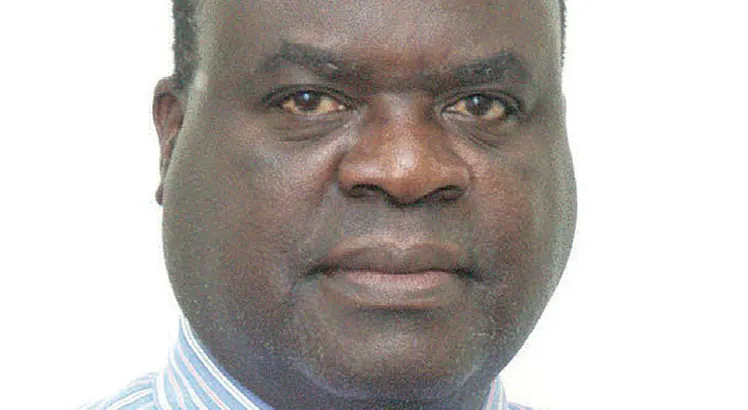
Malawi's pathologist, Charles Dzamalala, has clarified that family consent is not required for post-mortem examinations when the matter is of national interest. This statement comes in the wake of the June 10, 2024, military plane crash that killed Vice-President Saulos Chilima and eight others. Dzamalala made these remarks in an interview with The Nation, following concerns raised about the consent process for the post-mortems of the crash victims.
The Parliamentary Ad-hoc Committee, investigating the military plane crash, had hinted at examining whether the families of the victims had given consent for the post-mortems. This inquiry was sparked by a statement from former Malawi Police Service Criminal Investigation Department (CID) officer, Senior Superintendent Loudon Mthinda (retired). Mthinda told the committee that although family representatives were present during the post-mortems, he did not see anyone signing consent forms.
According to Dzamalala, in cases involving national interest, the police are responsible for initiating the post-mortem process and can override family consent. This, he explained, was the situation with the June 10 crash, which was deemed a matter of national interest. As such, the police were free to proceed with the post-mortems without obtaining family consent.
The issue of consent gained traction when Mthinda revealed that post-mortems were not conducted on the body of Ministry of Foreign Affairs deputy chief of protocol, Abdul Lapukeni. This was because Lapukeni's body had already been collected for burial, in accordance with Muslim rites, before CID officers arrived at the mortuary in Lilongwe. Mthinda's statement raised questions about the presence of family representatives during the post-mortems and whether this implied consent.
Committee chairperson, Walter Nyamilandu, and Dedza Mayani legislator, Savel Kafwafwa, questioned the validity of the consent process. Nyamilandu noted that a Malawi Defence Force officer, Major Flawless Matungwi, represented the three deceased soldiers, raising concerns about whether the representatives were indeed family members. Kafwafwa stated that the committee would seek further clarification from the doctors who conducted the post-mortems.
Former CID director, Jessie Nyirongo, provided additional context, revealing that she had ordered that the bodies not be collected until post-mortems were conducted. She considered the collection of Lapukeni's body without clearance improper and had later stopped the collection of other bodies before post-mortems could be performed.
The clarification by Dzamalala aims to address the concerns surrounding the post-mortem process in the high-profile case. The incident has highlighted the need for clear guidelines on consent in national interest cases, ensuring that investigations are conducted efficiently while respecting the rights of the families involved.
Key points
- Family consent is not mandatory for post-mortems in national interest cases.
- The police can override family consent in cases of national interest.
- The post-mortem process was initiated by the police in the case of the June 10 military plane crash.