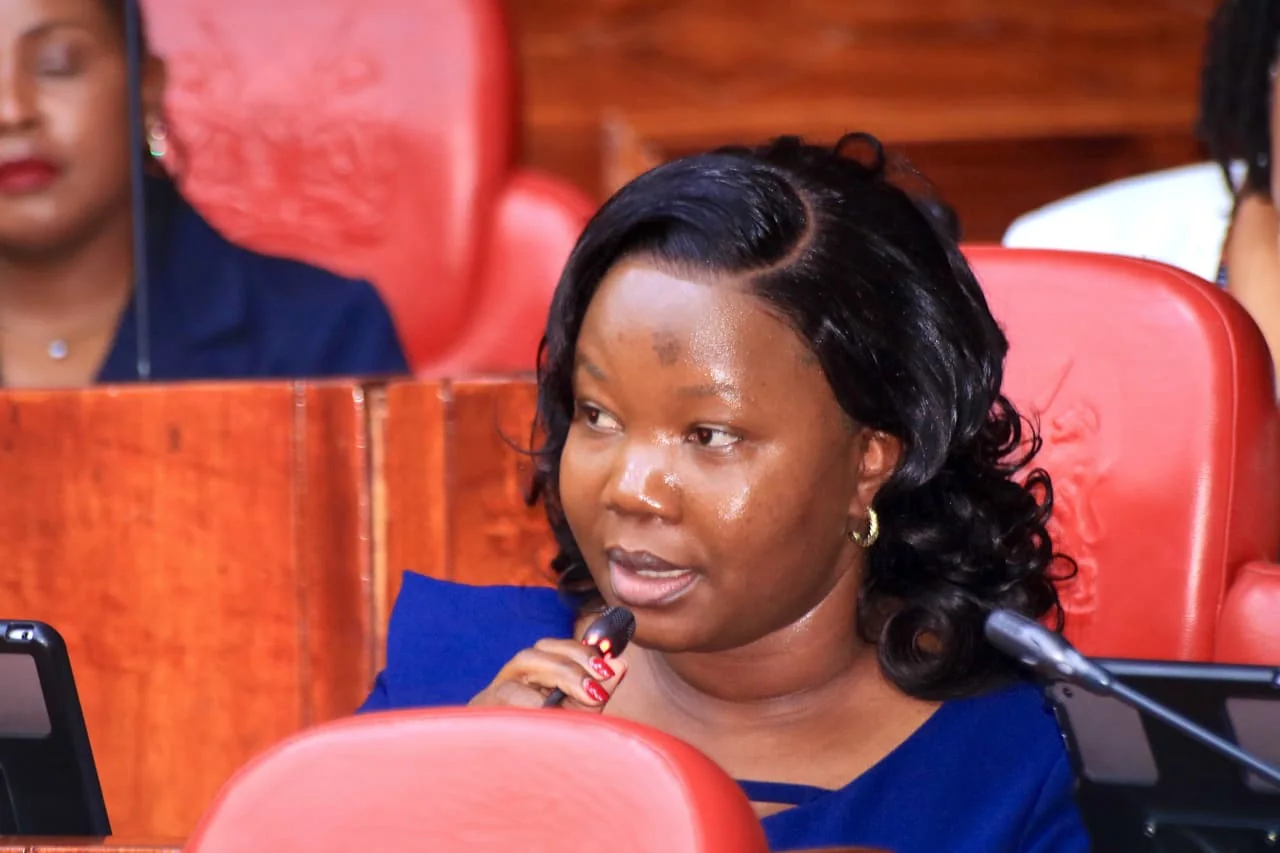
The Kenya Private Schools Association (KPSA) has asked Parliament to amend the Basic Education Bill, 2026, citing concerns that proposed regulations on school inspections, registration, infrastructure, and data management could impose significant burdens on privately operated schools. KPSA Chief Executive Officer Rose Eteye presented the association's proposals during a stakeholders' engagement with the National Assembly Committee on Education. The committee, chaired by Mandera South MP Abdul Haro, is considering reforms to the legal framework governing basic education.
The KPSA's primary concern is Clause 65 of the Bill, which would grant school inspectors powers to inspect premises, records, and persons, and order a school closed until basic standards are met. The association argues that closure is the most severe regulatory intervention, which could disrupt learners, employees, and families, and potentially damage a school even if a closure decision is later overturned. Eteye proposed a graduated enforcement process, beginning with an inspection, written report, and compliance notice, followed by a reasonable period for rectification and re-inspection before sanctions are imposed.
The association also seeks to prevent already registered schools from being subjected to blanket re-registration when the proposed law comes into force. KPSA proposes that existing registrations be preserved, and clear timelines be provided for inspections, certification, and appeals. Additionally, the association wants registration standards to reflect the level and category of an institution, its enrolment, location, and programmes, allowing for the use of leased or shared facilities where learner safety and curriculum outcomes are maintained.
KPSA further seeks clearer boundaries for Parents' Teachers' Associations (PTAs) in private schools. While supporting parent participation, the association argues that PTAs should not acquire powers over fees, employment, procurement, borrowing, investment, or ownership. Instead, PTAs should perform consultative, welfare, and community-support functions.
The proposed legislation requires heads of private comprehensive and senior schools to be registered under the Teachers Service Commission Act. KPSA supports professional registration but wants the law to clarify that private schools remain the employers and appointing authorities for their heads. The association proposes that TSC registration serve as a professional eligibility requirement without transferring appointment, deployment, or transfer powers to the Commission.
Eteye also presented KPSA's position on scholarships and bursaries, arguing that eligible learners should not be excluded from public support simply because they attend registered private schools. The association supports the establishment of the Kenya Education Management Information System but wants its operation to comply with the Data Protection Act, 2019. KPSA has proposed safeguards on the collection, processing, storage, and sharing of learner information and protection for schools when government information systems experience documented failures.
The KPSA's proposals aim to ensure that regulations on private schools are proportionate, predictable, and sensitive to the way privately financed institutions operate. The association's recommendations will be considered by the National Assembly Committee on Education as it reviews the Basic Education Bill, 2026. The Bill's broader objectives include strengthening quality assurance, learner protection, special-needs education, scholarships, and bursaries, and education data management.
Key points
- Private schools seek changes to Basic Education Bill over registration powers
- Proposed regulations could impose significant burdens on privately operated schools
- KPSA proposes amendments to ensure proportionate and predictable regulations