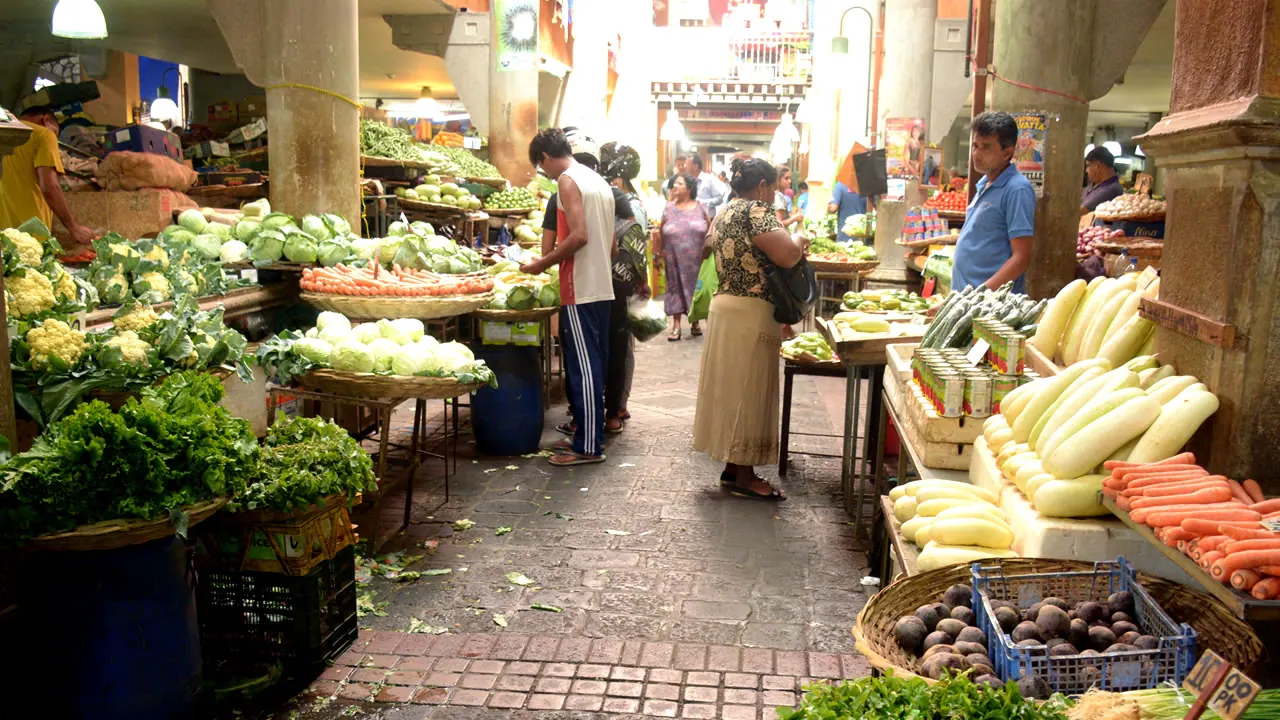
Wholesale prices of vegetables in Mauritius have seen a substantial increase over the past month, with an average rise of nearly 75% for about 30 types of produce. The prices of lalo and cotomili have surged by 233%, while voëme and bringelle have each increased by 200%. Other items, such as margoz and petit piment, have also seen significant price hikes of 140% and 125%, respectively.
The price surge is attributed to various factors, including insufficient yields, pests, and high input costs. Amarjeet Beegoo, an agricultural consultant, notes that the current weather conditions have exacerbated the situation, with a prolonged winter season and two consecutive anticyclones leading to colder temperatures. This has resulted in lower yields for certain crops, particularly lalo and bringelle.
The impact of the price increase is being felt throughout the supply chain. While the higher prices may seem beneficial to producers, Beegoo argues that they are not necessarily translating into higher profits for farmers. He cites the example of carottes, which are sold for around Rs 15 per kilogram at Wooton but can fetch up to Rs 60 per kilogram in supermarkets.
The distribution of value within the supply chain is a major concern, according to Beegoo. He claims that some merchants may be earning margins of over 200%, although this cannot be verified without data on actual margins. The situation highlights the challenges faced by producers in controlling the final price paid by consumers.
The agricultural sector is facing additional pressures, including the proliferation of pests due to climate change. Beegoo notes that several crops, particularly cruciferous vegetables, are more susceptible to insect attacks. These issues can lead to further losses for farmers and increased production costs.
The current situation is not just a seasonal fluctuation in prices, according to Beegoo. The low profitability of the sector has already led some producers to reduce their output, and this trend may continue due to water and irrigation constraints. He urges the government to take bold measures to make the sector viable, warning that failure to do so may lead to an even more difficult situation.
The weather forecast for Mauritius is expected to remain varied, with some areas experiencing above-normal rainfall. However, the deficit hydrique persists, and the impact on consumers is already being felt, with higher prices likely to be passed on to them. The issue at hand goes beyond the current price surge, encompassing the economic viability of local food production, value distribution, and the country's ability to maintain a consistent local supply.
Key points
- Wholesale prices of vegetables in Mauritius have increased by nearly 75% on average over the past month.
- The price surge is attributed to insufficient yields, pests, and high input costs.
- The situation highlights the challenges faced by producers in controlling the final price paid by consumers.